On the morning of 20/4, during a group discussion on the draft resolution for Vietnamese cultural development, delegate Nguyen Van Manh, Deputy Head of the Phu Tho delegation, praised proposals regarding recruitment, training, and salaries for performing arts. However, he stated that current compensation levels remain too low.
"I watched a report on the lives of traditional artists, such as ballet and circus performers, who receive only about 70,000 to 80,000 VND per performance day. With such compensation, no matter how passionate they are, it is difficult for them to make a living from their profession," he said.
The draft resolution states that public employees and workers in specialized performing arts units will receive professional preferential allowances and training/performance compensation according to a roadmap. Specifically, professional preferential allowances range from 40% to 60% of their current salary, plus position and seniority allowances. Training compensation ranges from 5% to 15% of the base salary per session, and performance compensation from 15% to 30% of the base salary per session.
Delegate Nguyen Van Manh considers this compensation level still low, especially for contract performers who earn only 2-3 million VND per month. To achieve substantial progress, cultural development policies must focus on people, including strong remuneration mechanisms, particularly for traditional art forms facing the risk of decline.
He also proposed adding a policy to prioritize using surplus public buildings for cultural and sports activities. Following administrative unit rearrangements, many headquarters remain underutilized, while the cultural and sports sector lacks operational space. He urged the Government to provide streamlined procedures for allocating or leasing these buildings to avoid delays. "If the current full process is still applied, it could take several years to complete, hindering the effective use of public assets," he stated.
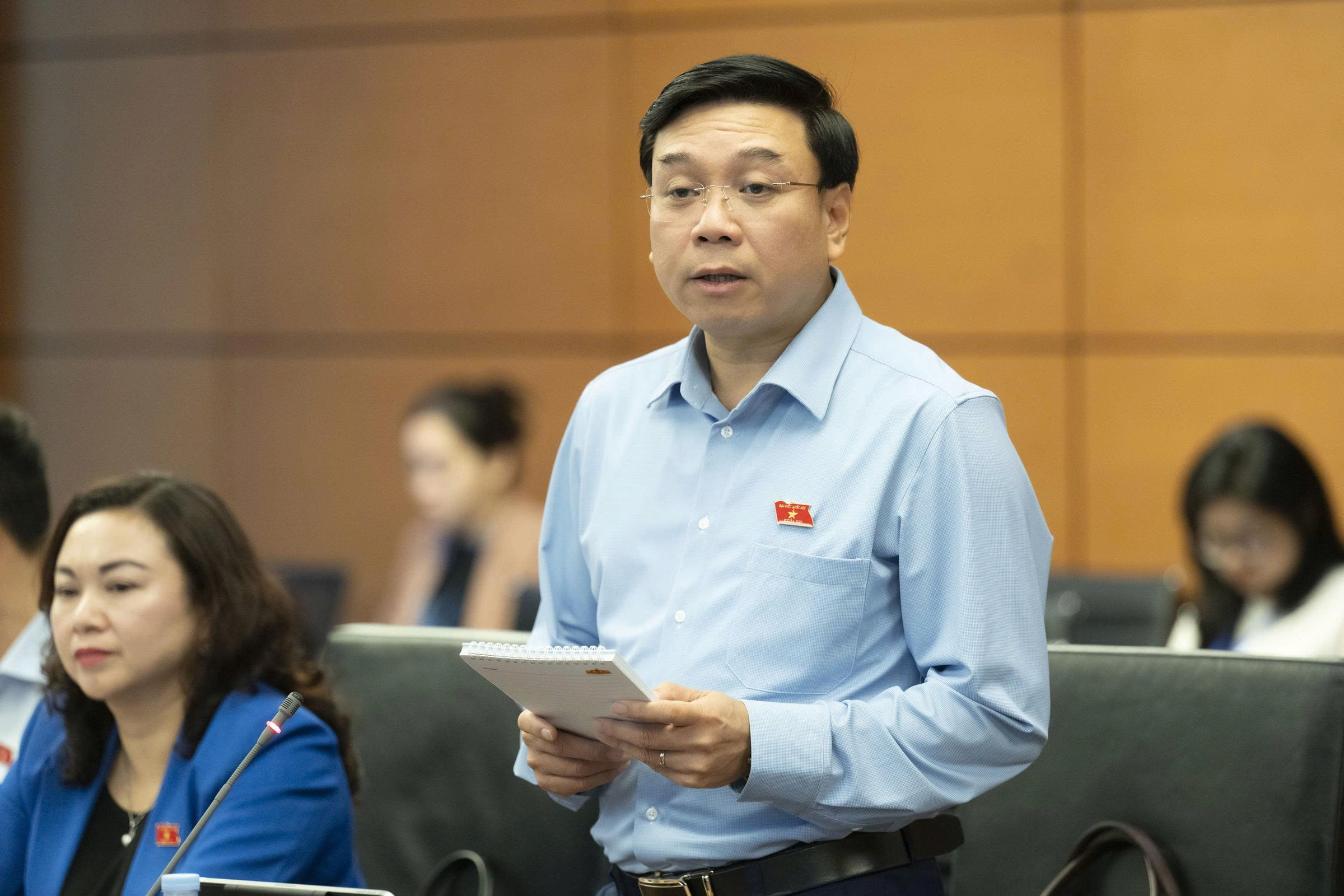 |
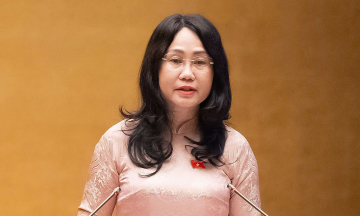
Delegate Nguyen Van Manh (Deputy Head of the Phu Tho delegation). Photo: Hoang Phong. |
Nguyen Thi Phu Ha, Deputy Head of the Economic and Financial Committee, also supported professional allowances for artists. However, she argued against rigidly stipulating training and performance compensation rates of 5% to 15% directly in the resolution. This matter should be left to the Government to regulate in detail, ensuring flexibility for adjustments. "If the compensation proves too low, the Government can adjust it immediately without waiting for the resolution to be amended," she said.
In reality, the income of public employees in the arts sector remains low. A rank 4 performer has a salary coefficient of 1.86-4.06, equivalent to approximately 3.35-7.3 million VND per month; rank 3 performers earn 4.2-8.96 million VND. For those with about 10 years of experience, the average net income is around 5 million VND – just slightly above the regional minimum wage.
For newcomers to the profession, salaries are even lower. A new performer with a coefficient of 1.86 receives only about 3 million VND per month after social insurance deductions, making it difficult to cover basic living expenses.
Beyond salaries, the current training and performance compensation is also low, with 35,000-80,000 VND per training session and 80,000-200,000 VND per performance. These rates have remained unchanged for over 10 years, despite multiple adjustments to the base salary. Reporting to the National Assembly in 2024, the Ministry of Culture, Sports and Tourism affirmed that the current compensation system does not keep pace with living costs and fails to motivate artists and workers in the performing arts.
Son Ha