On 20/4, Minister of Culture, Sports and Tourism Lam Thi Phuong Thanh, authorized by the Prime Minister, presented to the National Assembly a draft resolution on key mechanisms and policies for developing Vietnamese culture. This draft aims to institutionalize Party policies, create resources, investment mechanisms, and preferential policies for the cultural sector.
A central part of this cultural development strategy is establishing Vietnam Culture Day. This designation seeks to create a social milestone for activities that honor and spread cultural values.
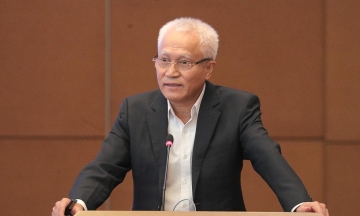
Reviewing the proposal, Nguyen Dac Vinh, Chairman of the Culture and Social Affairs Committee, stated that the committee agrees with the government's suggestion for Vietnam Culture Day. However, some opinions indicate that the provision for "workers to be entitled to a paid day off" directly relates to labor law.
According to the roadmap, the National Assembly will consider and pass the amended and supplemented Labor Code at its 2nd session in October, following a streamlined procedure. Therefore, the Culture and Social Affairs Committee recommends that this content be regulated within the Labor Code to ensure consistency and synchronicity within the legal system.
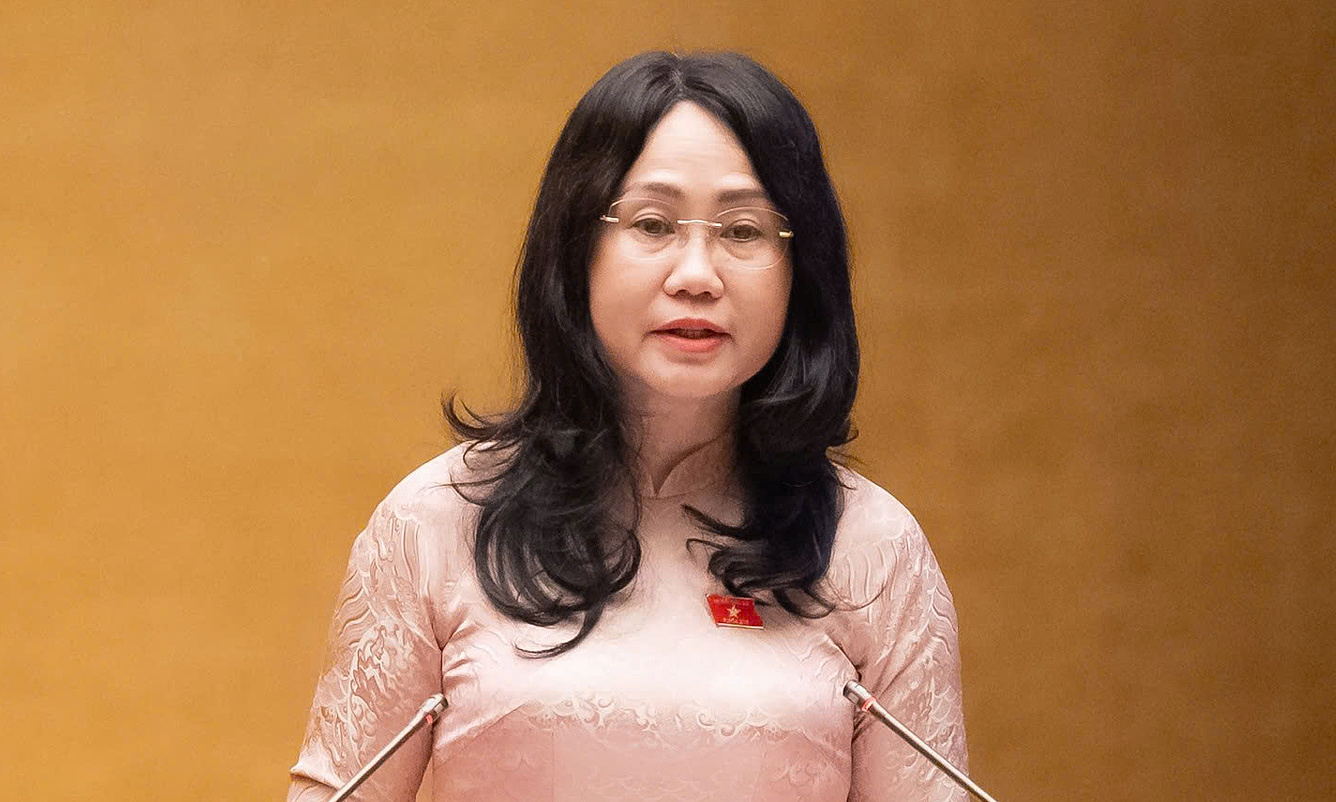 |
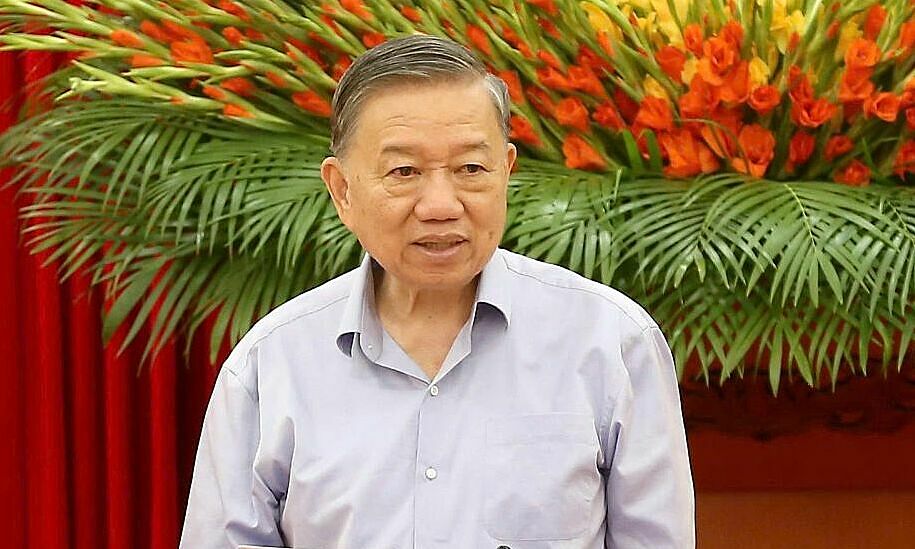
Minister of Culture, Sports and Tourism Lam Thi Phuong Thanh. Photo: Hoang Phong
Beyond Vietnam Culture Day, the draft resolution outlines 10 policy groups designed to generate more resources and momentum for cultural development. Notably, the state budget will guarantee a minimum 2% of total annual expenditure for this sector, while also encouraging the mobilization of social resources.
Concurrently, the government proposes mechanisms to support land and premises access, alongside tax and fee incentives, to foster the creation of cultural creative industrial clusters and zones. It also allows local communities to participate in managing and operating certain grassroots cultural and sports facilities.
Preferential policies are also expanded, including applying a 5% value-added tax to cinema, performing arts, and sports. Furthermore, import taxes and customs fees will be exempt for masterpiece artworks, national treasures, and rare antiques purchased at auction and brought back to the country for non-profit exhibition.
Regarding human resources, the draft proposes special preferential mechanisms. These include in-depth training domestically and internationally, non-competitive recruitment in some cases, increased professional allowances for artists and artisans, and support for career transition after retirement age.
The State also emphasizes preserving and promoting the value of national cultural heritage, while commissioning the creation and dissemination of works with high ideological and artistic value. Efforts to promote the image of Vietnam and its people abroad will also be boosted through initiatives such as Vietnam Culture Week, Vietnamese neighborhood models, and exhibition programs at international museums.
The Culture and Social Affairs Committee generally agrees with the direction of attracting resources for cultural development. However, it requests clarification on the principles for applying preferential policies to avoid overlap with current regulations. It also seeks to determine criteria for selecting pilot localities and ensure resource balance.
For the proposed Culture and Art Fund, the appraisal agency recommends a thorough assessment of its organizational model, governance mechanism, fundraising methods, the participation ratio of the State and the private sector, as well as risk-sharing principles. Crucially, fund finances should not be used to cover administrative costs.
The draft resolution is expected to be voted on by the National Assembly on 23/4.