During a seminar hosted by Quan doi Nhan dan Newspaper on 25/6, experts highlighted a significant imbalance facing commune-level authorities: their responsibilities have greatly expanded, but their power and operational capacity have not kept pace.
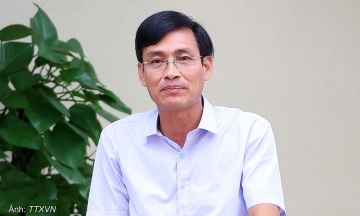
Nguyen Duc Ha, former Director of the Party Base Department under the Central Organization Commission, explained that eliminating the district level and reorganizing administrative units positioned commune-level government as the primary implementer, working directly with citizens and addressing most aspects of their daily lives and business operations. Many communes and wards now cover broader areas with larger, more diverse populations. They must manage multiple sectors, from agriculture and industry to commerce, services, tourism, and craft villages, as most former district-level duties have been transferred to them.
"Commune-level authorities are accountable to citizens for project progress, public service quality, land records, and social welfare policies, yet they often lack the necessary data, resources, and tools to resolve issues definitively", Ha stated.
The pressure on local government is exacerbated by stagnant staffing levels despite increased workloads. About 80% of current commune-level officials are personnel from pre-reorganization communes. Beyond their regular duties, they now manage over 80% of tasks transferred from the district level, with many lacking adequate professional training or expertise for these new requirements.
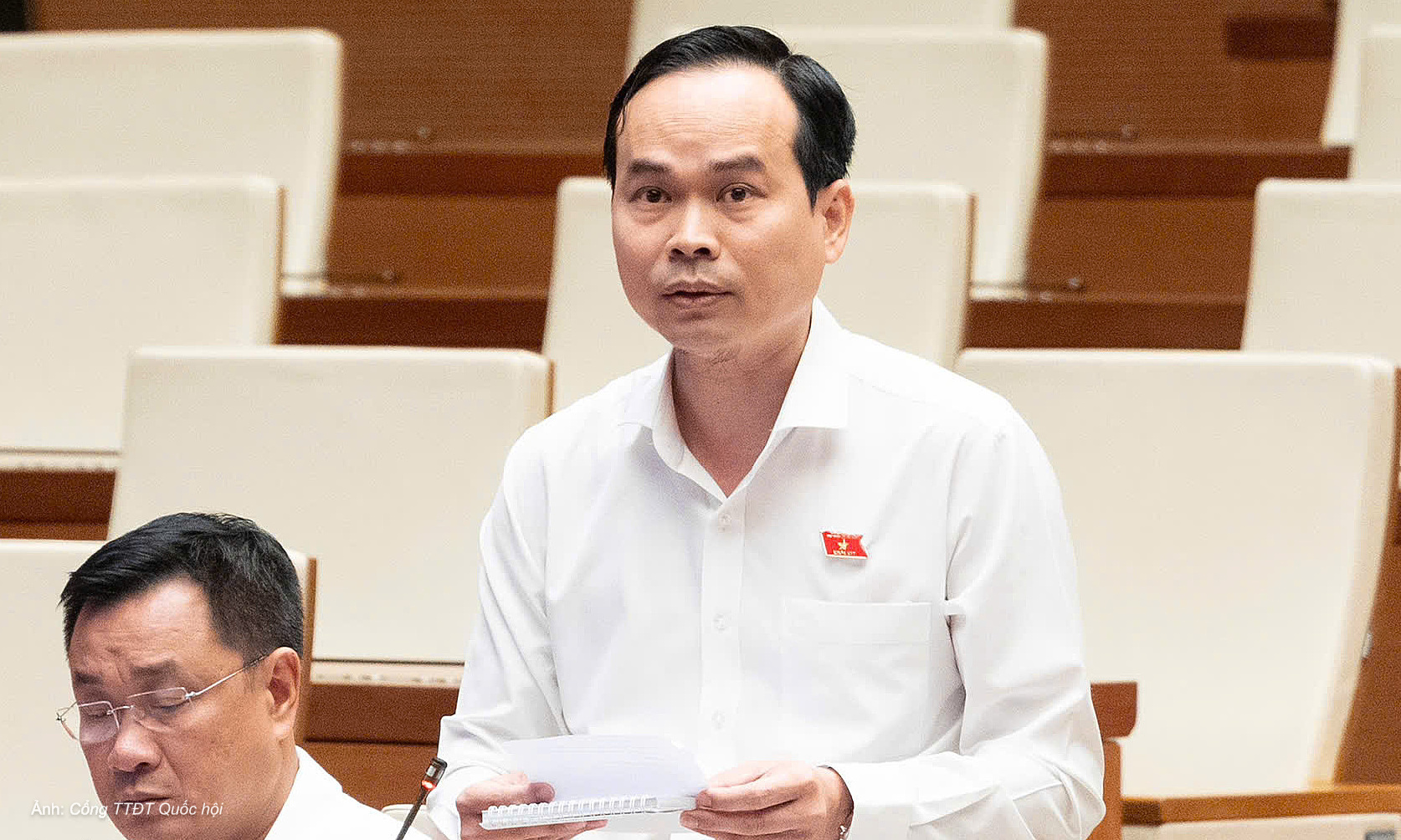
Doctor Nguyen Thi Viet Nga, Deputy Head of the Hai Phong National Assembly Delegation, noted that many localities face a shortage of officials with specialized expertise in critical areas. These include land management, construction, planning, finance, information technology, digital transformation, and the resolution of complaints and denunciations. Such fields generate substantial work and directly impact the quality of public services.
Experts contend that the current decentralization process is inconsistent. While numerous tasks have been delegated to the commune level, corresponding decision-making authority has not been adequately transferred. Some situations involve unclear implementation guidelines, while others suffer from a lack of data, funding, or personnel. This often leads to tasks requiring higher-level approval or prolonged processing, which ultimately reduces the new model's effectiveness.
 |
Nguyen Duc Ha, former Director of the Party Base Department, Central Organization Commission, speaks at the seminar. Photo: Trong Hai |
Drawing from this reality, Nguyen Duc Ha proposed that decentralization and the devolution of power must be designed synchronously. He emphasized that assigning tasks should always be paired with granting authority, and granting authority, in turn, must be accompanied by supplementing resources. Simultaneously, strengthening power control and accountability is crucial.
Ha suggested that areas concerning budget discipline, planning, public assets, or inter-regional interests should remain under provincial-level decision-making. Conversely, tasks directly impacting citizens' lives, which require swift resolution and where commune-level authorities possess the capacity to execute them, should be confidently decentralized or delegated.
Concurring with this perspective, Nguyen Thi Viet Nga emphasized that decentralization should consider each locality's implementation capacity, specific conditions, regional characteristics, and power control capabilities, rather than a uniform approach. She further recommended allocating personnel and resources based on the 'governance difficulty' of each area. Her suggestions also included innovating official training by job position, strengthening digital infrastructure, completing shared data, and establishing regular professional support mechanisms from the provincial to the commune level.
Son Ha