On the afternoon of 21/8, the Ho Chi Minh City Urban Infrastructure Construction Investment Project Management Unit (UICI) signed construction package 1, valued at 280 billion VND, with Yasuda Company (Japan). This package is part of a project to renovate and restore old drainage sewers using trenchless technology (SPR).
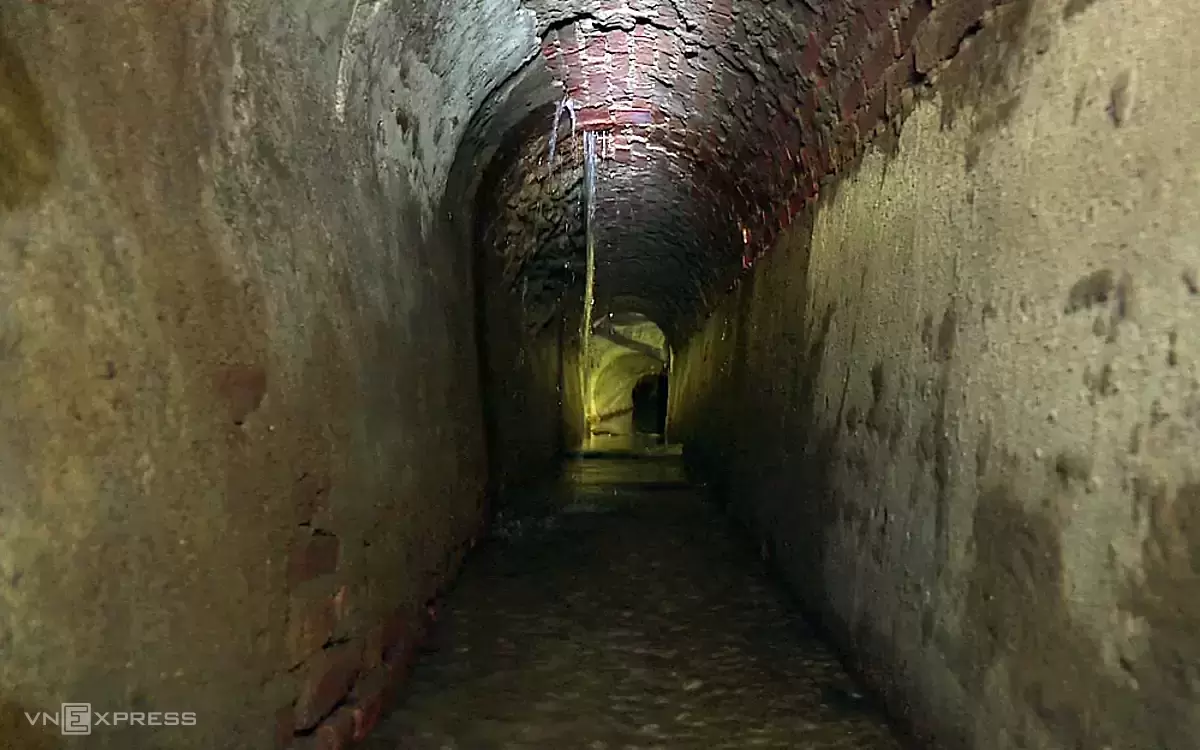 |
A degraded sewer section in central Ho Chi Minh City. *Photo: Trung Son* |
This largest project package will renovate 2,1 km of sewers along three routes: Yersin, Cong Quynh, and Cach Mang Thang Tam, located in District 1 and District 3. Construction is expected to begin in September and conclude by late 2028.
Instead of excavating roads, this method allows equipment to be inserted internally to reinforce and restore the sewer structure. This approach helps limit barriers, traffic disruption, and impact on residents' daily lives. It also reduces the risk of drainage system failures, subsidence, and road surface damage.
According to UICI, this marks the first time Ho Chi Minh City has widely implemented the internal sewer renovation method. This follows many years of collaboration with the Japan International Cooperation Agency (JICA) and relevant units for research and trials.
The SPR project was approved in 2019, with a total investment exceeding 467 billion VND. Approximately 397 billion VND of this is non-refundable aid from JICA, and the remainder is the city's counterpart fund. In addition to construction package 1, the project includes several other packages.
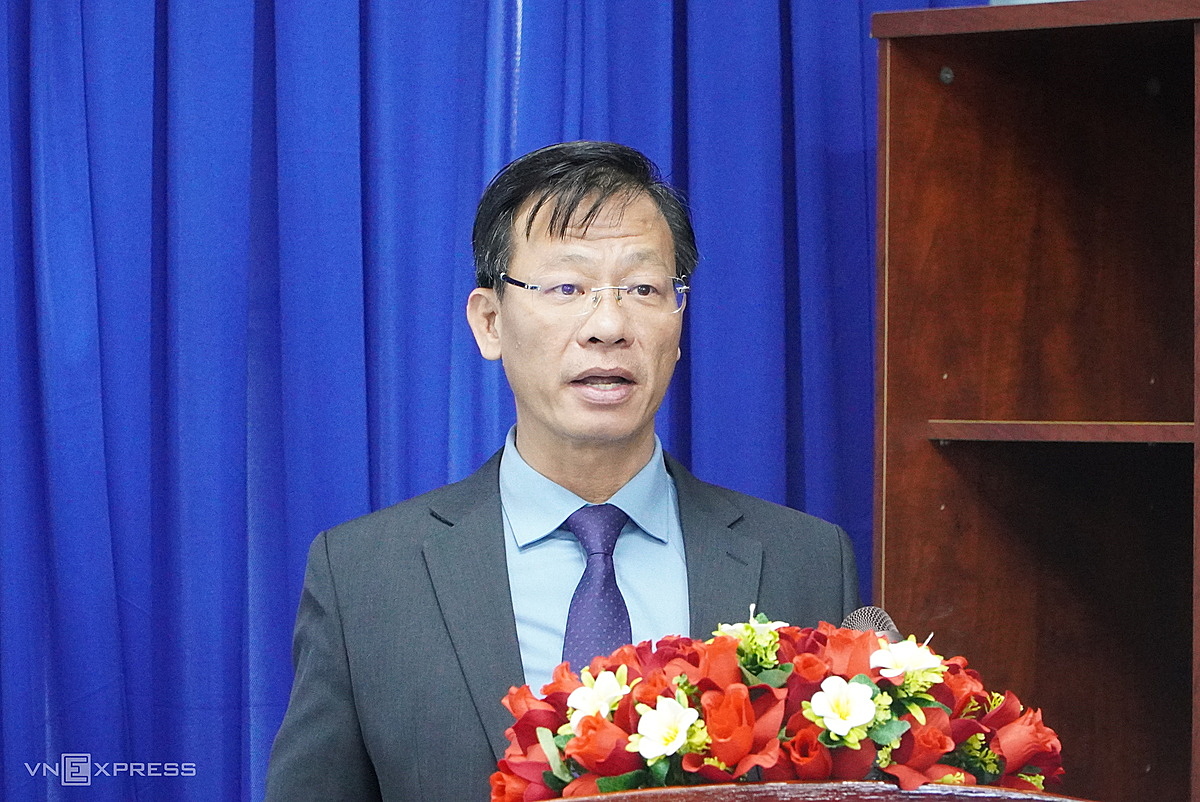 |
Mr. Dau An Phuc, Director of UICI, speaks at the signing ceremony on the afternoon of 21/8. *Photo: Giang Anh* |
Mr. Dau An Phuc, Director of UICI, requested that relevant units coordinate and support the contractor during construction to ensure progress. As this is a new method, he urged subordinate units to research, learn from the experience, and gradually master the technique for application in similar projects.
Ho Chi Minh City's drainage network spans over 2,600 km. Many central arched sewers, built during the French colonial period, are now degraded, often experiencing subsidence and damage. Traditional repair methods require units to erect barriers and excavate roads, which frequently causes congestion and impacts travel.
The internal renovation is expected to help the city address old sewer lines while significantly reducing the impact on road surfaces and central area traffic.
Giang Anh