On the afternoon of 14/7, during a meeting with agencies on national maritime industrial development, General Secretary and President To Lam stressed the importance of positioning the maritime industry correctly within Vietnam's strategy to become a strong maritime nation. He highlighted it as a foundational industry, essential for developing the marine economy, waterway transport, ensuring national defense and security, and enhancing strategic self-reliance.
He urged maintaining core capabilities in design, new construction, repair, conversion, and technical assurance for vessels. This ensures preparedness during supply chain disruptions, market fluctuations, or emergencies. Shipbuilding needs to develop with an ecosystem mindset, integrating with the merchant fleet, inland waterway vessels, seaports, logistics, supporting industries, and lifecycle services for all types of vehicles.
According to him, the state should play a facilitative role, perfecting institutions, providing strategic direction, and ensuring essential capabilities. However, it should not revert to subsidies or act on behalf of businesses. Businesses must directly invest, innovate technology, compete, and be accountable for their operational effectiveness.
All investment decisions must be based on long-term effectiveness, technological mastery, management capacity, and the value added retained domestically. The focus should not be on superficial scale, widespread or redundant investment, or sacrificing quality, safety, and environmental standards for short-term growth.
The Party Central Committee and Government were assigned to promptly develop a national program for maritime industrial and marine engineering development until 2035, with a vision to 2050. This program will integrate with strategies for fleet development, seaports, logistics, marine energy, and national defense and security.
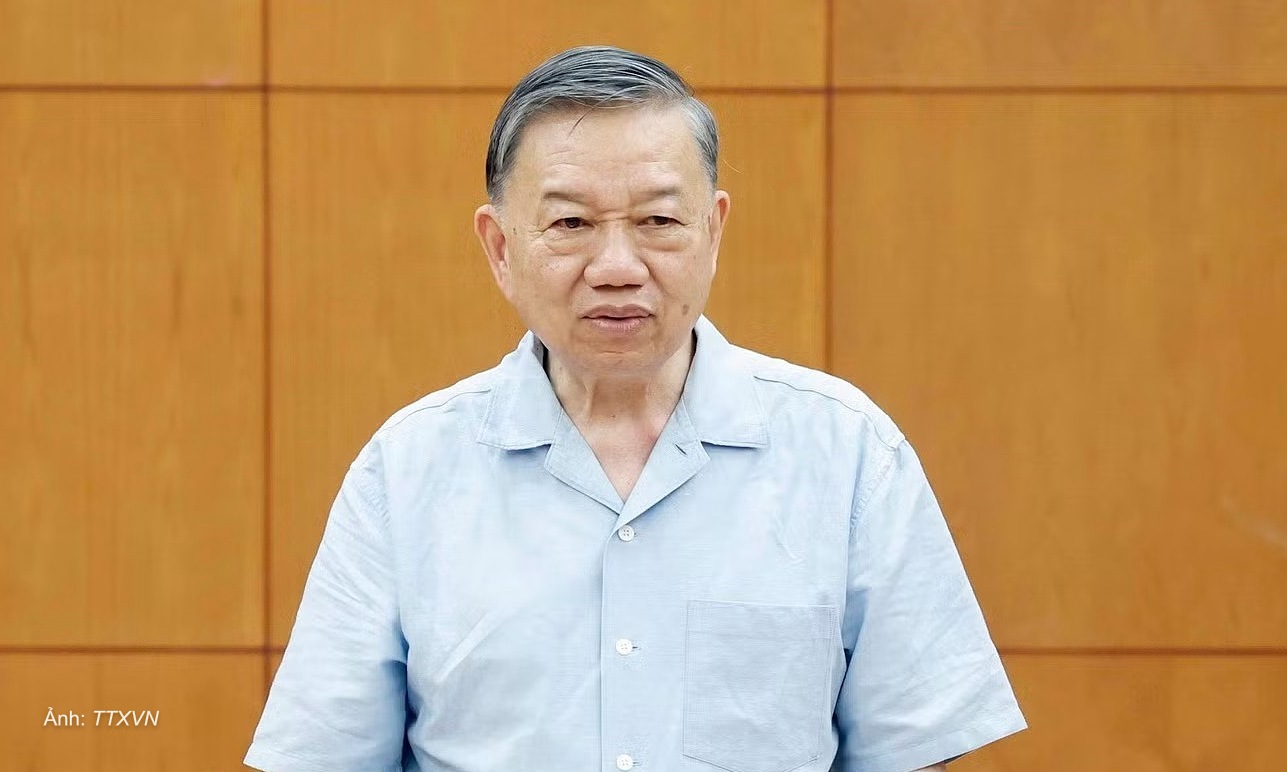 |
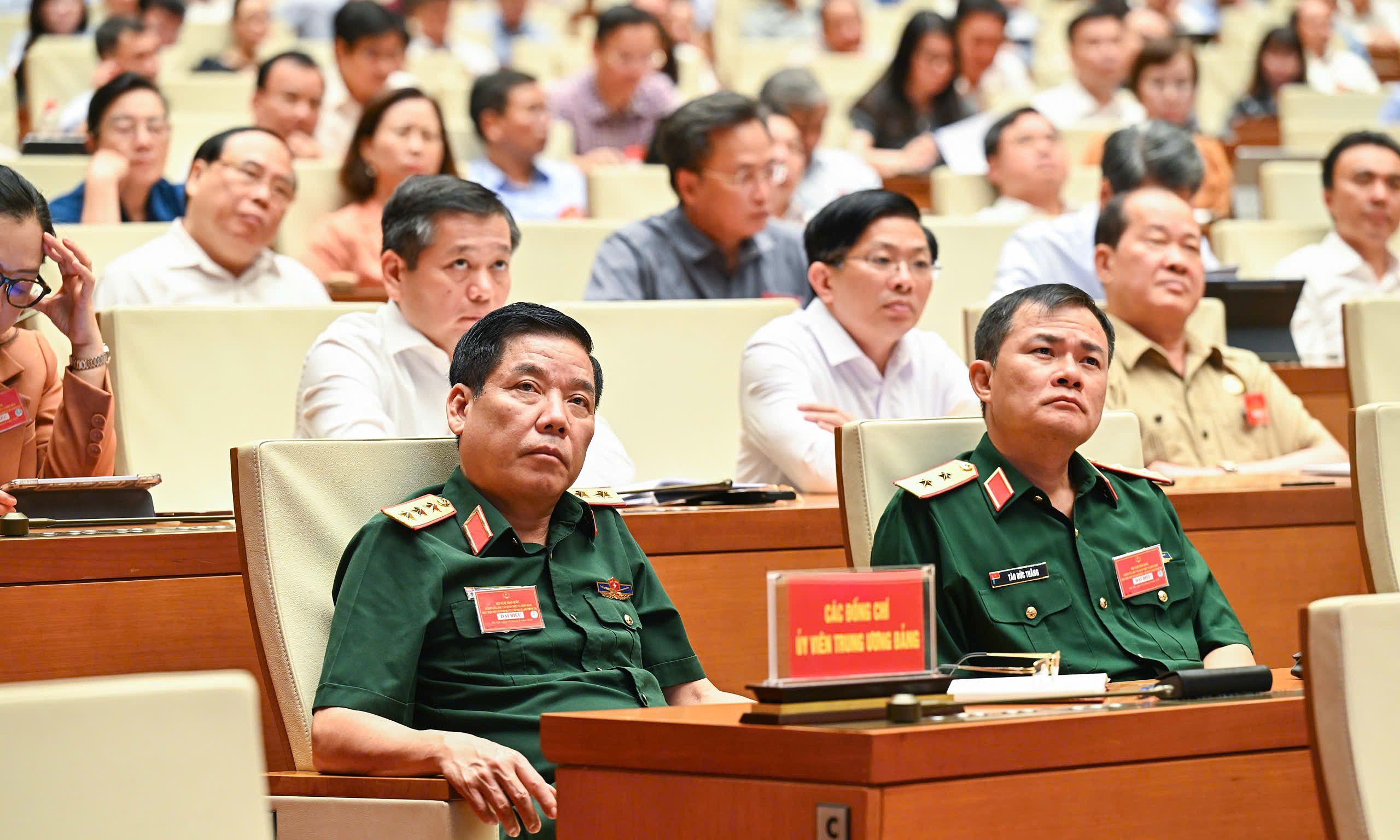
General Secretary and President To Lam working with agencies on national maritime industrial development, afternoon of 14/7. Photo: TTXVN
The General Secretary and President demanded that support mechanisms must be tied to orders, business capabilities, feasible financial plans, and transparent governance. Funding should not be provided to cover losses, create new bad debts, or legitimize past wrongdoings.
He also proposed reorganizing the domestic market, aligning the demand for developing the merchant fleet, inland waterway vessels, public service ships, offshore services, and national defense with domestic production capacity. This must adhere to principles of competition, quality, and effectiveness. In the short term, there is a need to significantly boost repair, conversion, green upgrading, maintenance, and lifecycle services to utilize existing capacities, generate cash flow, and retain the skilled technical workforce.
The long-term direction is to shift from merely maintaining production capacity to building a modern, green, and digital maritime industrial ecosystem capable of self-reliance and international competitiveness. Supporting industries must develop in sync with design, science and technology, registration, standards, data, and high-quality human resources. Additionally, there should be innovation in attracting foreign direct investment (FDI) and fostering domestic enterprises to participate more deeply in global supply chains.
"Do not provide widespread relief, do not revert to subsidies, and do not invest in fads," the General Secretary and President stated. "But also do not neglect to lose strategic industrial capacity; existing issues must be resolved completely, remaining values preserved, and the market reorganized for businesses with genuine development capabilities."
Vu Tuan