Durian prices have continuously dropped for about one month. The Ri6 variety is currently purchased at orchards for 20,000-30,000 dong per kg, the lowest in many years and only about one-third of the price during Tet. Meanwhile, the Monthong variety has decreased to 70,000-80,000 dong per kg. This price slump has led to losses for many farmers.
Beyond competitive pressure from Thailand, durian prices dropped because many export shipments to China – the main consumer market – were rejected due to cadmium contamination. China currently requires 100% shipment inspection, controlling cadmium content to a threshold of 0.05 mg/kg.
Cadmium is a heavy metal originating from two main sources: natural causes like volcanic eruptions, mineralization, and water sources; and industrial activities such as metallurgy, battery production, mineral exploitation, dyeing, and metal plating.
If waste and wastewater from these activities are not properly treated, cadmium can spread into the environment, seeping into soil and water sources. Additionally, this element is present in some agricultural inputs, including inorganic fertilizers (phosphate), animal manure, and sludge from organic fertilizer production.
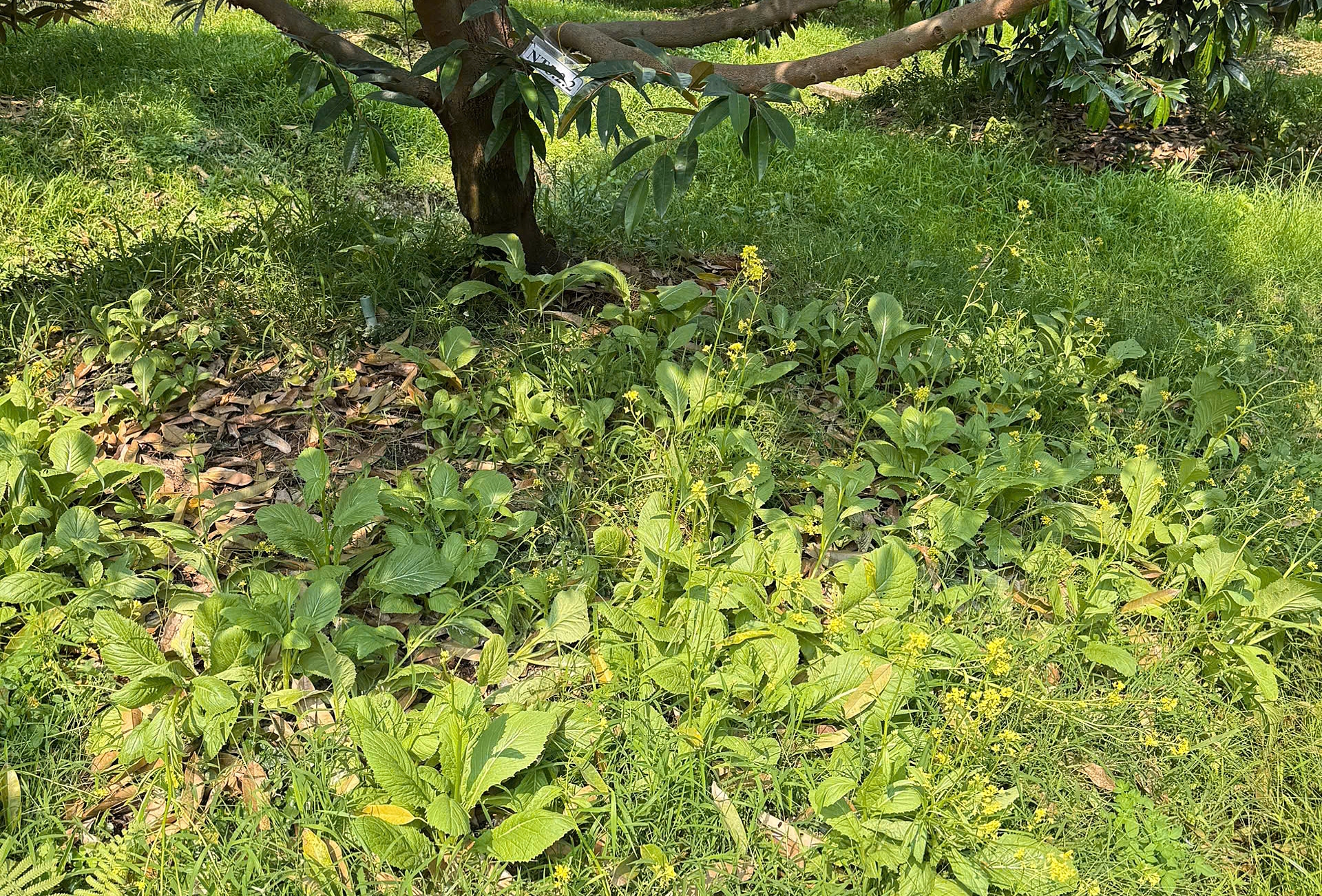 |
Mustard greens planted around durian trees absorb cadmium, helping to detoxify the soil. Photo: Southern Horticultural Research Institute
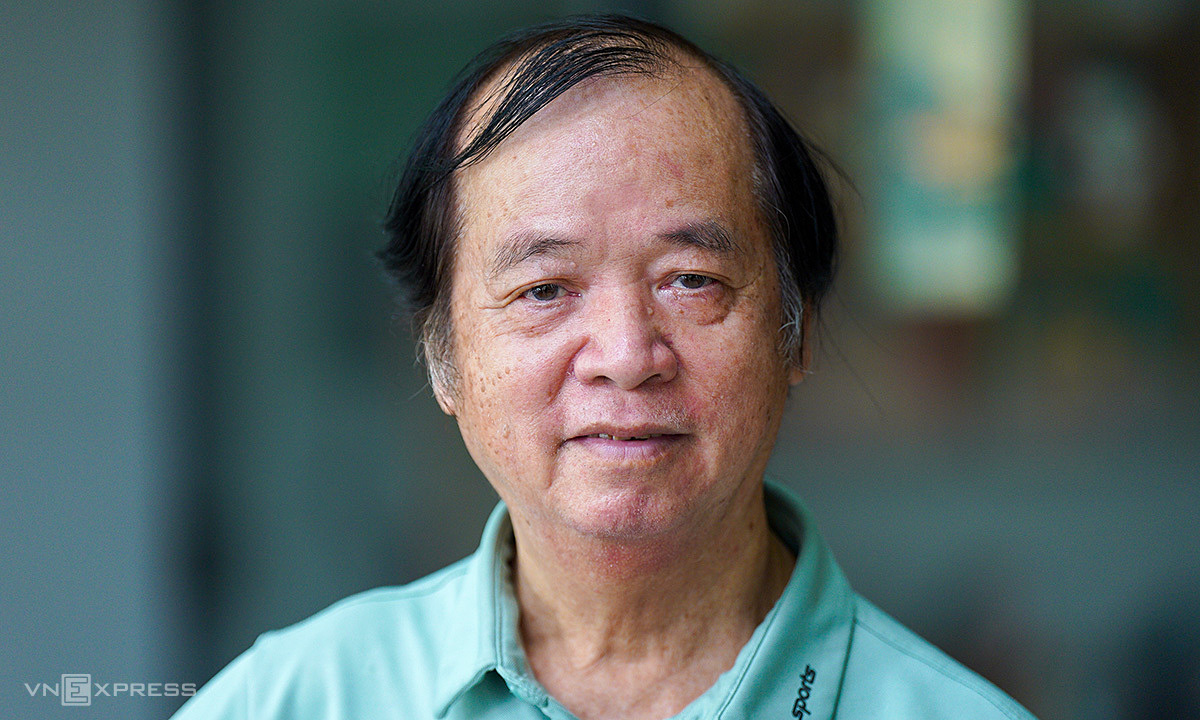
Doctor Nguyen Thi Ngoc Truc from the Southern Horticultural Research Institute (SOFRI) stated that cadmium levels in agricultural soil were initially insignificant. However, prolonged overuse of chemical fertilizers, excessive intensive farming, soil depletion, and inadequate control of industrial waste have led to increasing cadmium accumulation, causing many adverse consequences for agricultural production.
In 2025, SOFRI collected and analyzed 63 soil samples from durian orchards. They recorded that about 60% of samples had cadmium levels exceeding 0.05 mg/kg of soil, though this was still lower than Vietnam's current regulation of 4 mg/kg of soil.
In contrast, over 300 durian flesh samples tested showed that about 5% of samples exceeded the 0.05 mg/kg threshold set by China's National Food Safety Standard.
According to Doctor Truc, controlling cadmium is not overly difficult and can be gradually addressed through natural, biological solutions. Raising soil pH with lime and organic fertilizers helps plants limit cadmium absorption. Microbial products can fix, absorb, and convert cadmium into less toxic or non-toxic forms.
Furthermore, some studies indicate that adding appropriate biochar to soil can retain cadmium for a very long time, up to 100 years.
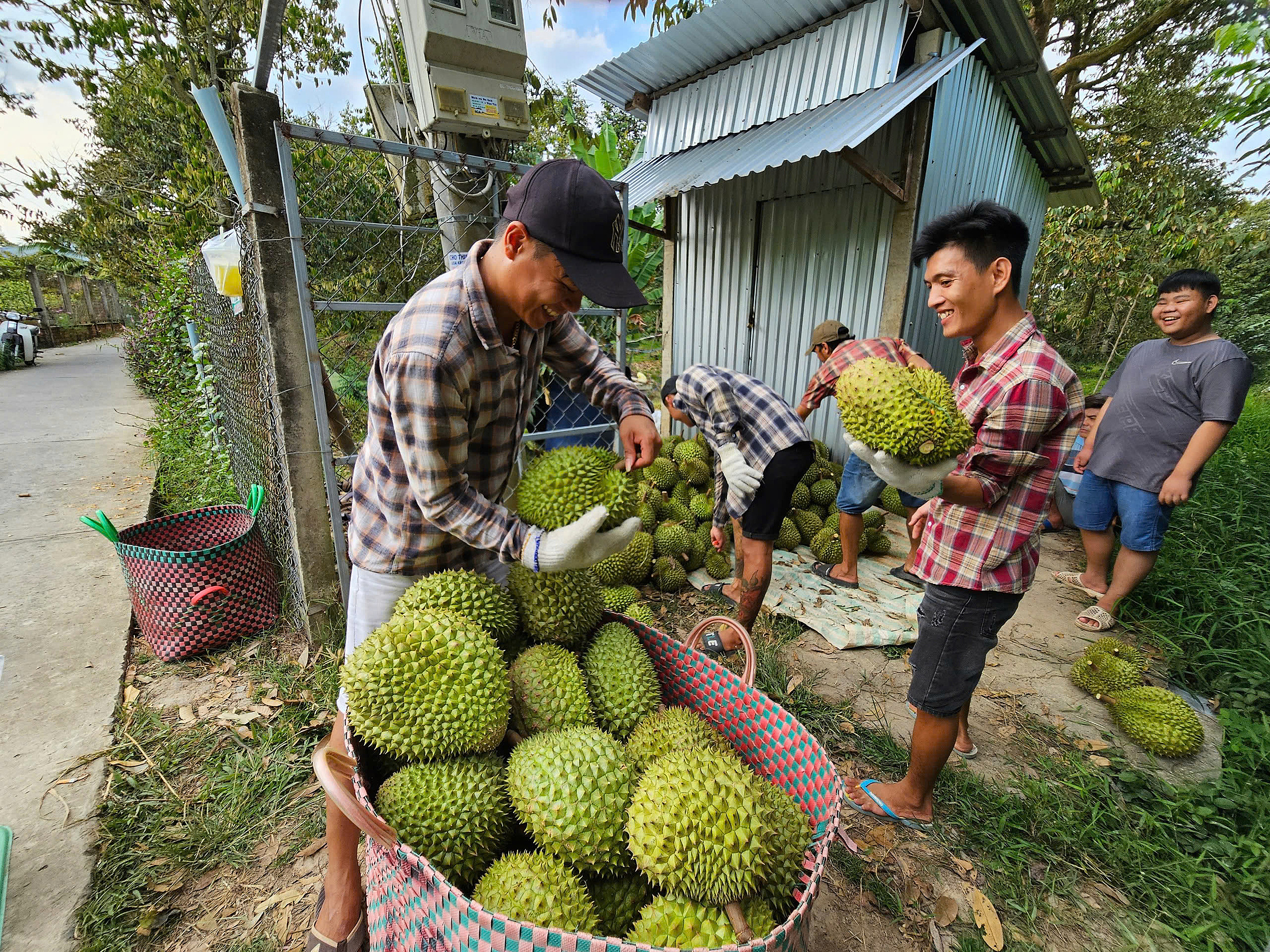 |
Durian being purchased at an orchard in Ben Tre, now Vinh Long. Photo: Hoang Nam
Soil detoxification is achieved by intercropping plants that strongly absorb cadmium, such as mustard greens, mint, amaranth, bladder cherry, water hyacinth, water spinach, water fern, and mother of thousands. After each harvest, these plants must be collected, burned, and their ash properly disposed of to prevent re-release into the environment.
SOFRI's initial research results show that appropriate fertilization, intercropping mustard greens around durian trees, and using biological products help reduce cadmium content in durian flesh.
Alongside cultivation solutions, Doctor Vo Huu Thoai, SOFRI Director, recommends that local authorities and the agricultural sector develop maps of cadmium-contaminated areas. They should strictly control heavy metal content in fertilizers on the market and enhance quality inspections of durian directly at the orchards.
According to the Department of Crop Production and Plant Protection, the national durian cultivation area exceeded 150,000 hectares by 2025, double the planned orientation for 2030.
Ngoc Tai