|
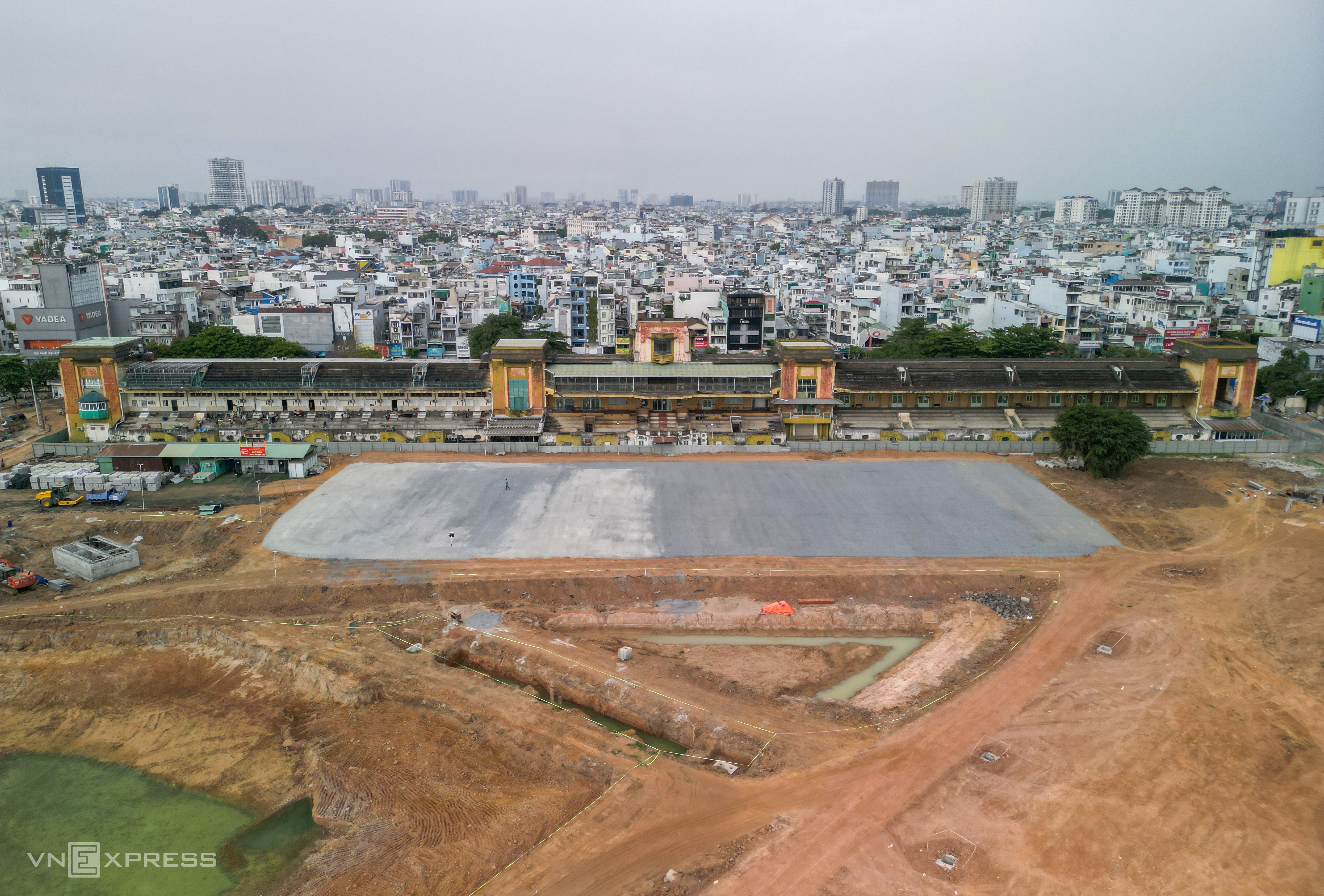
The vast grounds, once a century-old horse racing track, are being converted into roads. This project connects to main thoroughfares around the racecourse, such as Ly Thuong Kiet, Le Dai Hanh, and Ba Thang Hai streets, helping to reduce congestion in the area. |
 |
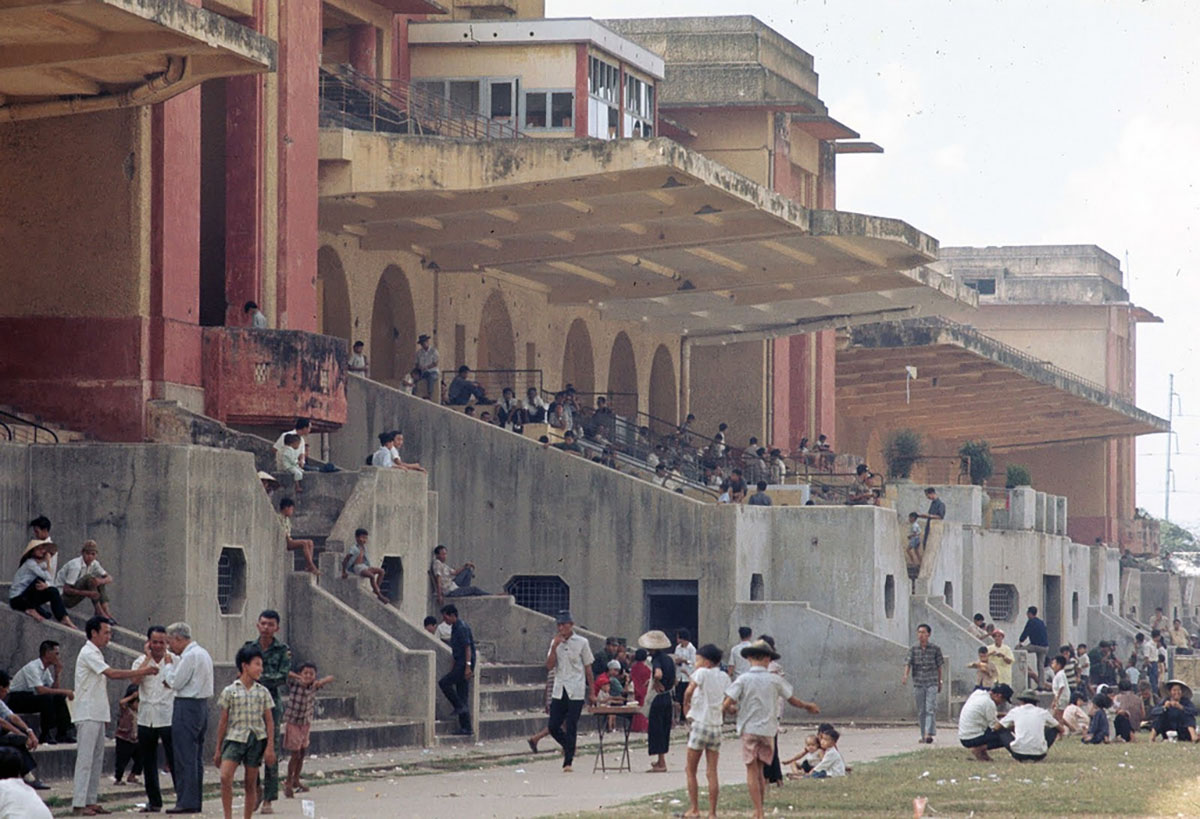
The grandstand of Phu Tho racecourse in its early years and in 1969. In his 1935 work, writer Ho Bieu Chanh described the bustling scene here: "As one approached the racecourse, cars, horse-drawn carriages, and motorbikes crowded the roads; then at the entrance, people jostled to buy tickets and streamed in." The grandstand is currently fenced off for construction, no longer seeing the lively crowds of the past. Some facilities like horse stables, betting information booths, and results boards have been demolished. |
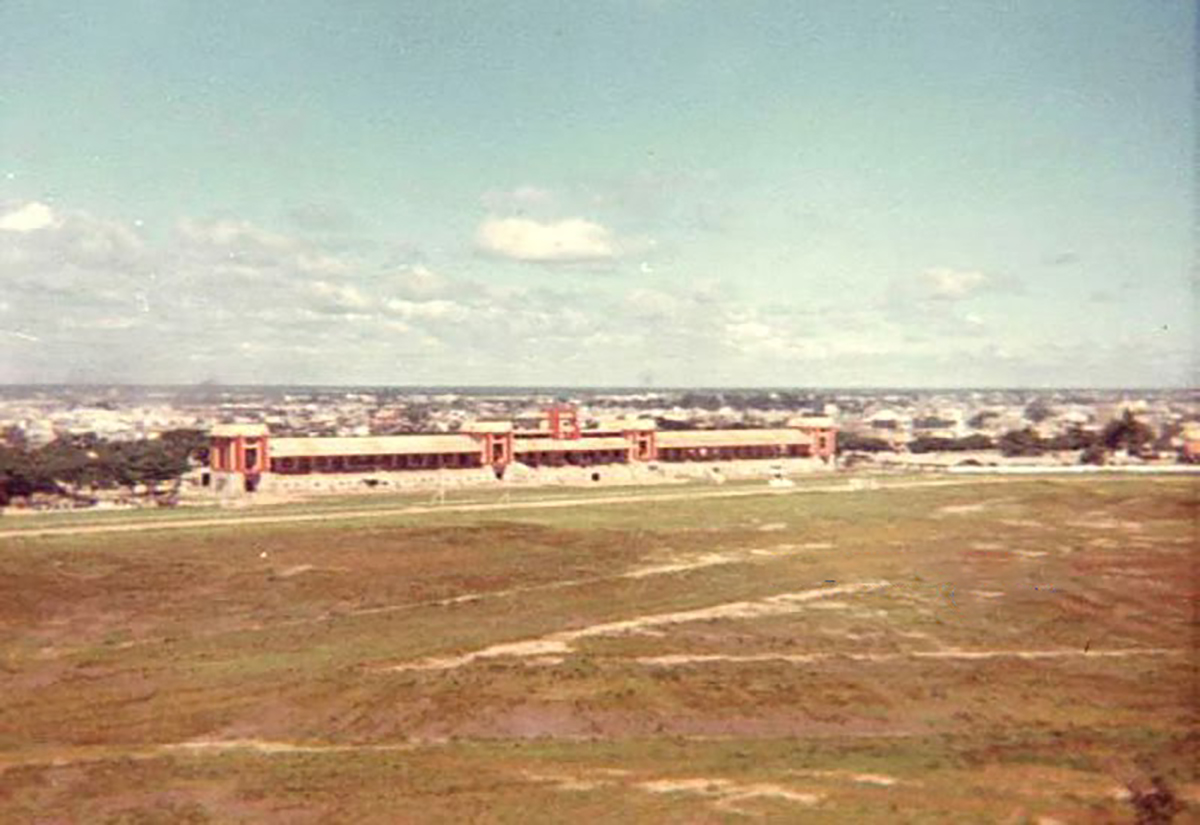
Viewed from above, the Phu Tho racecourse appeared as a vast expanse of land in a 1968 photograph by Davis Green. This area has changed significantly; it is now surrounded by a sports arena and many high-rise buildings. Roads are currently being constructed across the former race track, gradually taking shape.
Ho Chi Minh City (TP HCM) began construction on five roads through the Phu Tho racecourse area mid-last year, with a total investment of VND 200 billion. According to the plan, the project will be completed in 2026.
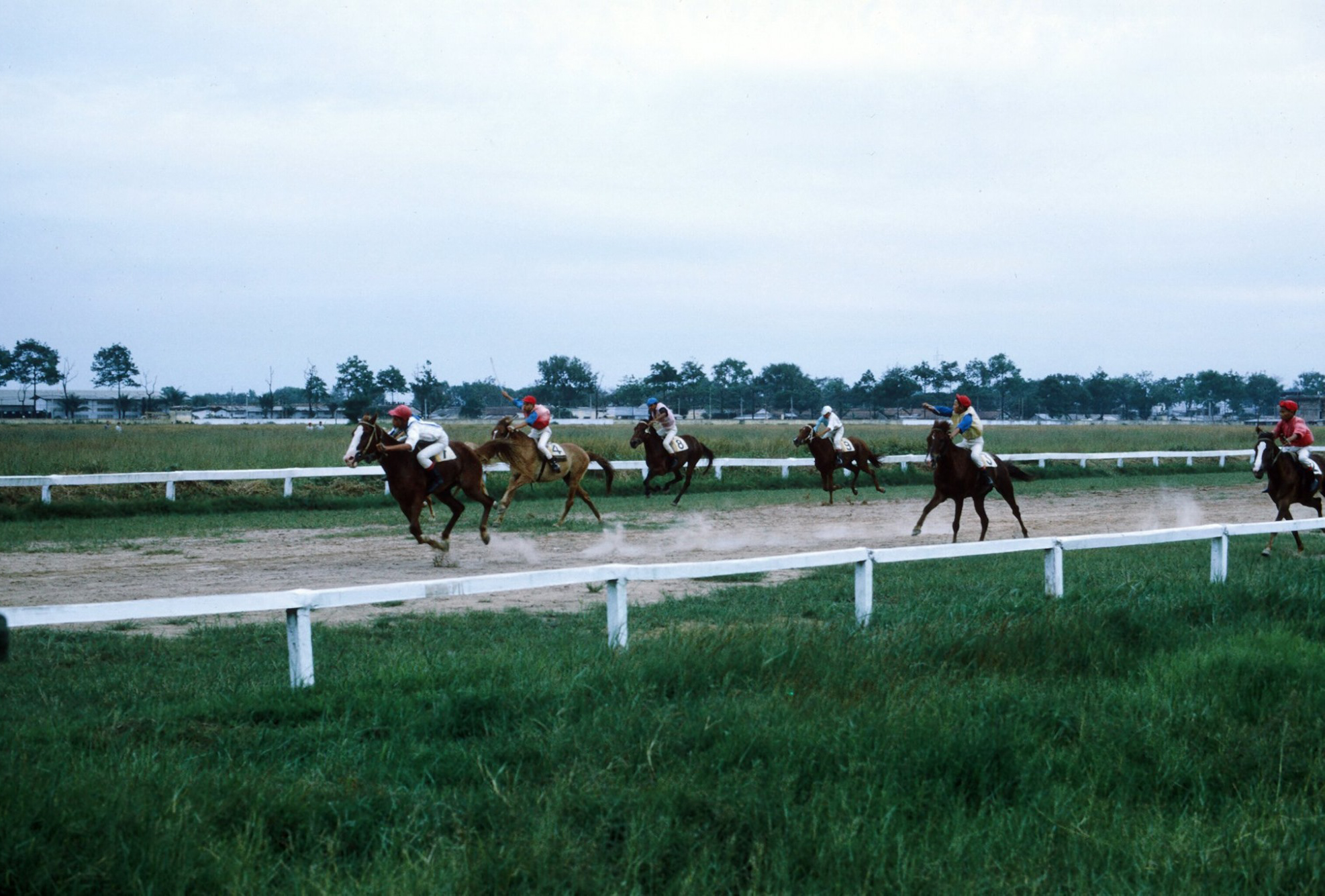
Built by the French in 1932, Phu Tho was the only horse racecourse in Saigon and Vietnam at the time, attracting many participants. Horse racing activities continued until 2011, when the racecourse closed.
 |
Compared to a 1969 photograph by Brian Wickham, the grandstand's structure has not changed much. However, this section has gradually deteriorated over time, with peeling, worn paint and locked access points. |
 |
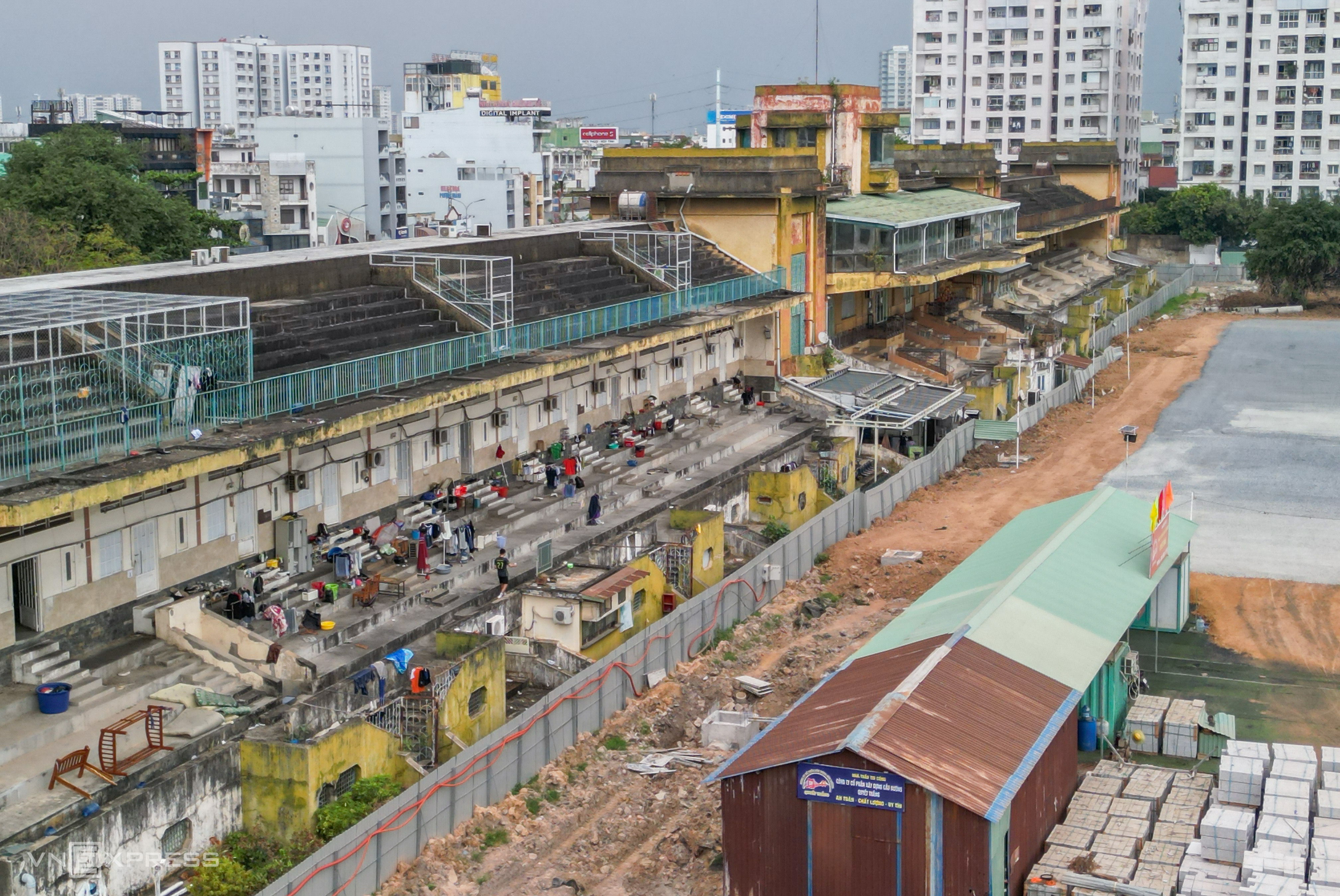
The front of the racecourse grandstand shows little difference compared to before 1975. It currently serves as a facility for athletes from the Ho Chi Minh City Sports Training and Competition Center. |
 |
Traces of horse racing bets on the grandstand are still clear after more than 50 years. According to statistics, in the 1960s, the racecourse had about 200 registered racehorses with many races. To maintain weekly operations, additional horses, often used for pulling carts, had to be rented from other places to ensure 10-12 horses per race. By 1975, racecourse operations were interrupted due to the war. 14 years later, the venue was restored under the name Phu Tho Sports Club, generating significant annual profits for Ho Chi Minh City. |
 |
The main gate to the racecourse features a horse image. This site closed in 2011 for the construction of a high-performance sports training and competition center. After 80 years since its establishment, the racecourse, once ranked among the top in Asia with its illustrious past, now only lives on in the memories of Saigon residents. |
The grandstand remains, showing little difference from a photograph taken around 1971.
The Saigon Horse Racing Association purchased the land, which spans over 40 hectares, to build the racecourse. This site was originally a cemetery; after the purchase, the association exhumed the remains for reburial elsewhere. The project was completed four years later, becoming a familiar horse racing venue for residents of Saigon and the Six Southern Provinces.
 |
Workers, along with various machinery and rollers, are busily constructing roads and surrounding landscapes in the days leading up to Tet. The project to build five new roads is part of an infrastructure completion plan, enhancing traffic connectivity for the entire area, and is expected to be completed this year. |
 |
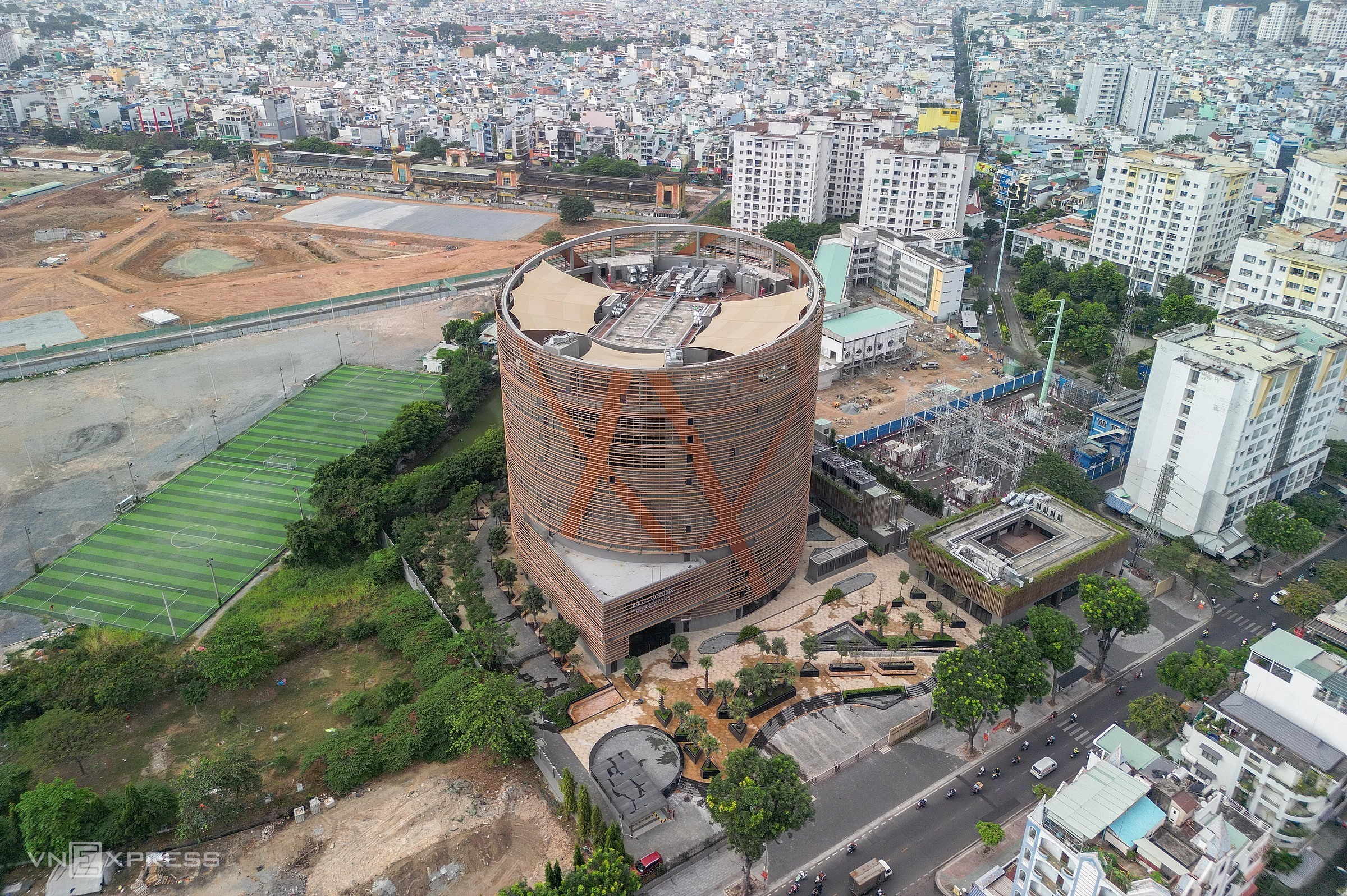
Next to the grandstand is the Phu Tho Circus and Multi-purpose Performance Theater, which opened last year on 30/4. In addition to buildings and commercial centers, the racecourse area will soon see the construction of more facilities and parks, which are being developed to complete the overall urban plan. |
 |
An artist's impression of the racecourse with new roads, forming a sports complex to serve the 2026 National Sports Festival; this will also foster socio-economic development and enhance residents' quality of life. |
 |
Location of the racecourse. Graphics: Hoang Thanh |
 |
The roads are now fully paved, with some featuring greenery, sidewalks, and street lighting, which residents utilize as a Tet flower market.
 |
 |
 |
Quynh Tran
Tran