On the morning of 3/9, at a national conference to study, learn, implement, and deploy several resolutions and directives of the Politburo, Head of the Central Propaganda Department Trinh Van Quyet presented the content of Resolution 25 on the Strategy for Ideological Work in the New Context. This marks the first time the Party's ideological work has been established as a comprehensive, long-term strategy within a specialized Politburo resolution, complete with specific objectives, targets, resources, and responsibilities.
According to Trinh Van Quyet, artificial intelligence, big data, and cross-border platforms are transforming how people receive information and form beliefs. Fake news, malicious content, and organized information manipulation campaigns are emerging with unprecedented speed and scale. Machine-generated content also blurs the line between truth and falsehood, making it increasingly difficult to distinguish. "In such an environment, anyone who is slow to provide official information immediately leaves a void, and an information void is always filled by rumors," he stated.
The Head of the Central Propaganda Department emphasized that the nation is simultaneously implementing many significant policies, such as renovating the development model, striving for two-digit growth, reorganizing the administrative apparatus, operating two-tier local governments, and driving digital and green transformations. Each policy impacts the interests, habits, and psychology of many individuals, raising questions that require timely, accurate, and persuasive answers. "The deeper the reform, the greater the need for consensus; the larger the change, the greater the need for trust," Trinh Van Quyet said.
The resolution was issued to establish a long-term strategy for ideological work, ensuring seamless coordination from the central to local levels, from domestic to international spheres, and between physical and digital spaces. The document also mandates the allocation of adequate resources and holds Party committees and leaders accountable through inspection and evaluation mechanisms.
"A correct policy that lacks public understanding will still face obstacles; a good policy that cadres do not believe in or understand will remain unimplemented," Trinh Van Quyet noted.
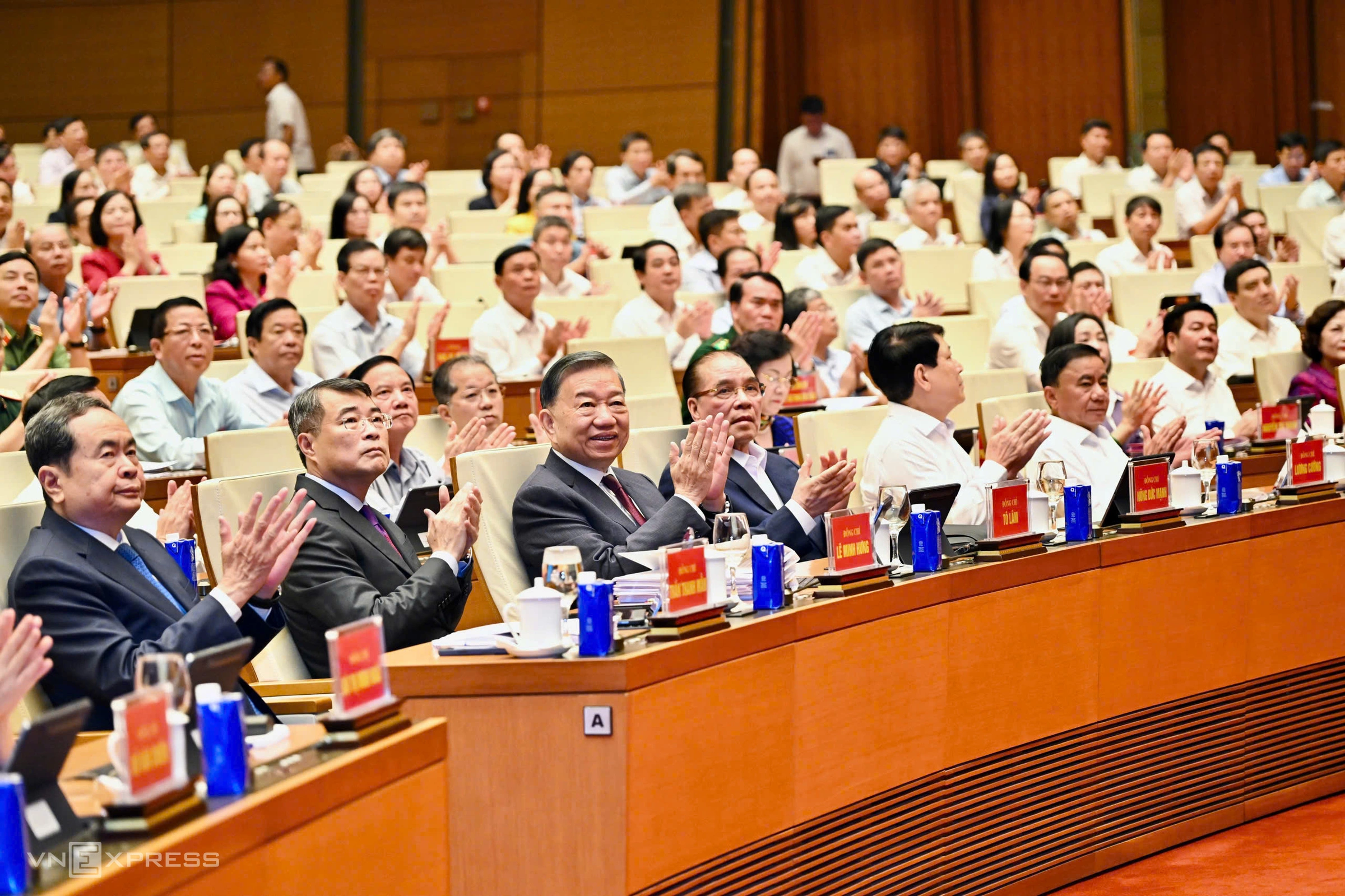 |
General Secretary and President To Lam, Prime Minister Le Minh Hung, National Assembly Chairman Tran Thanh Man, along with current and former Party and State leaders, attended the conference. Giang Huy |
General Secretary and President To Lam, Prime Minister Le Minh Hung, National Assembly Chairman Tran Thanh Man, along with current and former Party and State leaders, attended the conference. Giang Huy
The resolution defines the guiding principles as "Proactive - Incisive - Persuasive - Effective." "Proactive" means not waiting for events to occur before speaking out. "Incisive" refers to information that is accurate, relevant, timely, and scientifically grounded. "Persuasive" involves using reason and facts rather than imposition. The effectiveness of ideological work is measured by shifts in perception and action, not by the quantity of documents or conferences.
A significant new aspect is the shift in focus from managing information to guiding social perception, strengthening public trust, and building consensus. In the digital environment, functional agencies must proactively provide official information, maintain transparency, enhance dialogue, and embrace social critique.
Each major policy and guideline must undergo an ideological impact assessment, accompanied by a communication, explanation, and dialogue plan. The agency responsible for drafting the policy bears primary responsibility for its communication. Party committees and leaders must directly lead, direct, and be accountable for ideological work, rather than delegating it entirely to specialized agencies. Performance results will be incorporated into annual reviews, evaluations, and rankings.
"The effectiveness of economic, cultural, social, national defense, security, foreign affairs activities, and social welfare policies is the direct solution to enhance the effectiveness of the Party's ideological work. In other words, doing good for the people, good for the Party, and good for the nation is the best ideological work," Trinh Van Quyet emphasized.
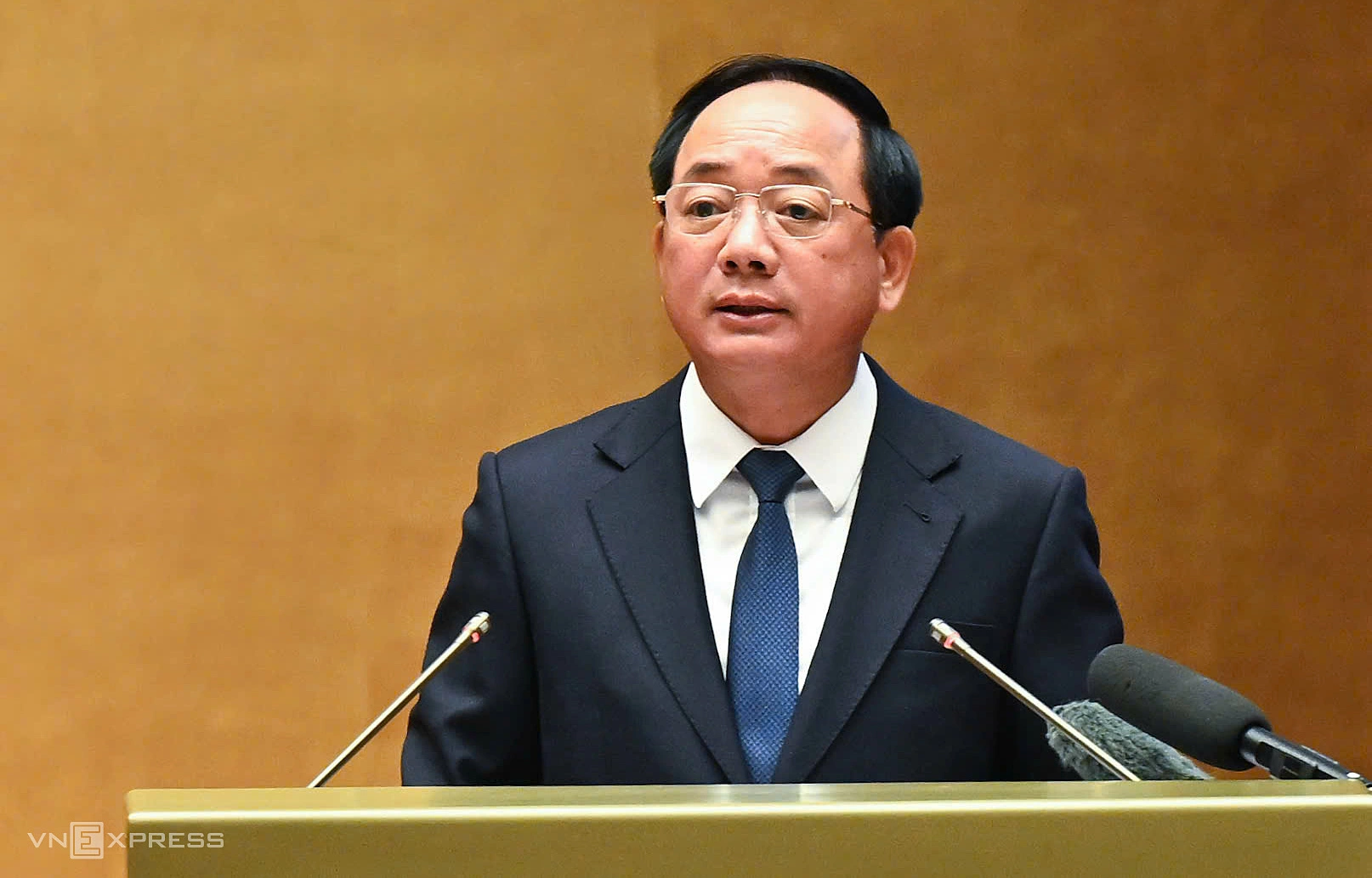 |
Head of the Central Propaganda Department Trinh Van Quyet presented at the morning conference on 3/9. Giang Huy |
Head of the Central Propaganda Department Trinh Van Quyet presented at the morning conference on 3/9. Giang Huy
All commune-level units to have dedicated ideological personnel
The resolution quantifies targets for 2030 and a vision for 2045 into five measurable indicator groups. Accordingly, all Party committees and organizations must integrate ideological work into their annual work programs and review content. Public feedback and proposals will be received and addressed within specified timeframes.
By 2030, 100% of commune-level units will have dedicated ideological personnel operating regularly in each residential area, with specialized cadres connected to the source information system. A network of 15,000-20,000 influential and positively impactful individuals will be established, and 4,000-6,000 core propaganda cadres will receive in-depth training.
Each commune, ward, and special zone will assign one standing Party committee member to be directly responsible. Ideological work will become a mandatory part of Party cell activities; emerging issues must be resolved immediately at the grassroots level to prevent hotspots. The grassroots information system will operate on the principle of "one incident - one spokesperson - one unified message." Digital culture, digital information literacy, and the ability to verify information will be integrated into general and university education curricula.
Understanding, forecasting, and early warning of ideological trends will be achieved through sociological surveys combined with digital data analysis and artificial intelligence. Forecast results must translate into concrete leadership decisions, not just reports. "The effectiveness of implementing the resolution is not measured by the number of conferences or documents issued, but by whether people receive accurate, timely, and complete information; whether grassroots grievances are resolved where they arise; and whether public trust in the Party, State, and regime is strengthened year by year," the Head of the Central Propaganda Department concluded.
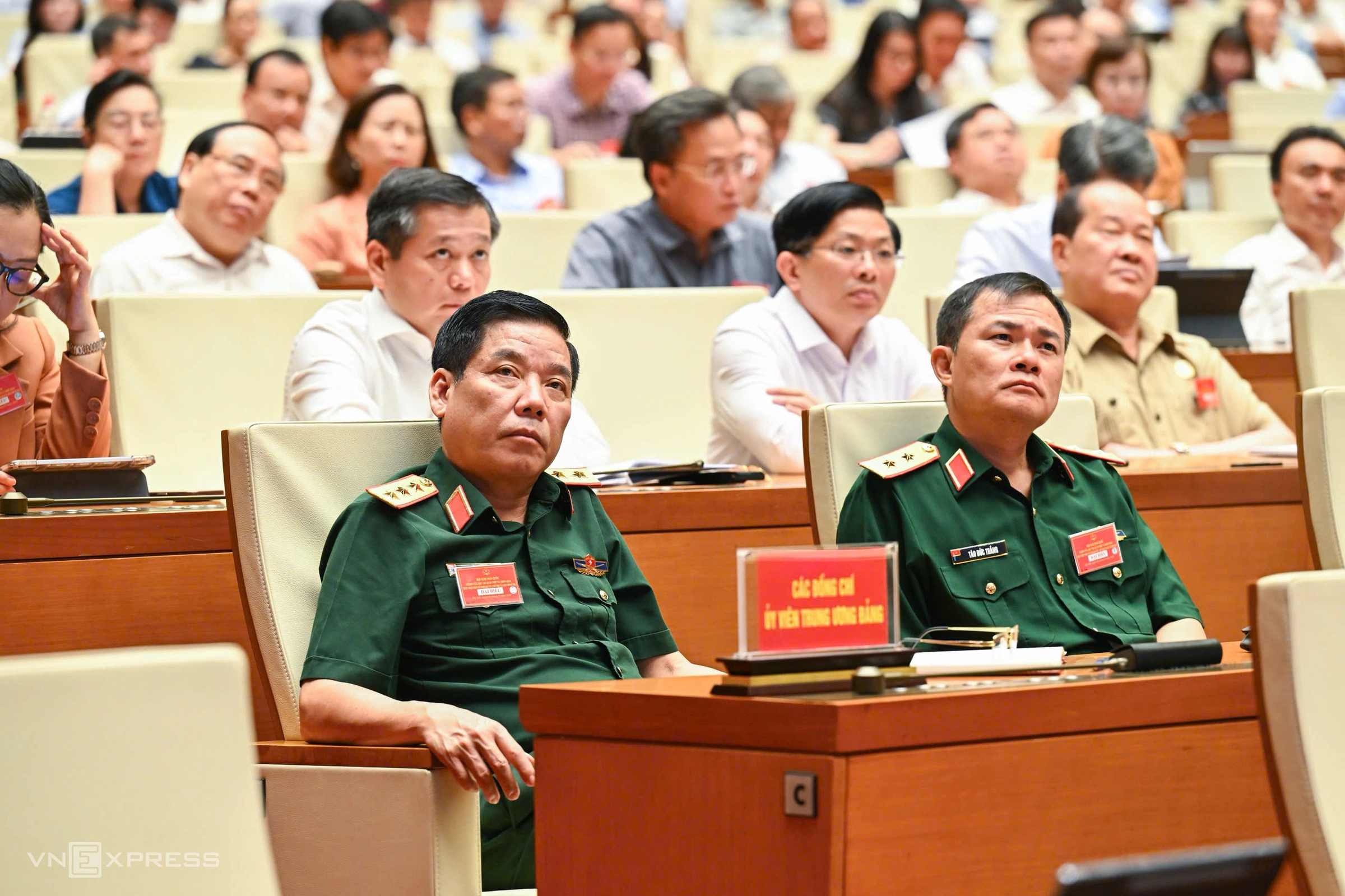 |
Delegates attended the conference in the Dien Hong meeting room, National Assembly House. Giang Huy |
Delegates attended the conference in the Dien Hong meeting room, National Assembly House. Giang Huy
Son Ha