A report titled "Strengthening Vietnam's Preparedness to Address Loss and Damage from Climate Change", released on 24/3 by domestic agencies in collaboration with the United Nations Development Programme (UNDP), indicates that financial resources for disaster recovery in Vietnam primarily depend on the state budget and official development assistance (ODA). These resources, however, currently meet only about 30% of the total actual damage.
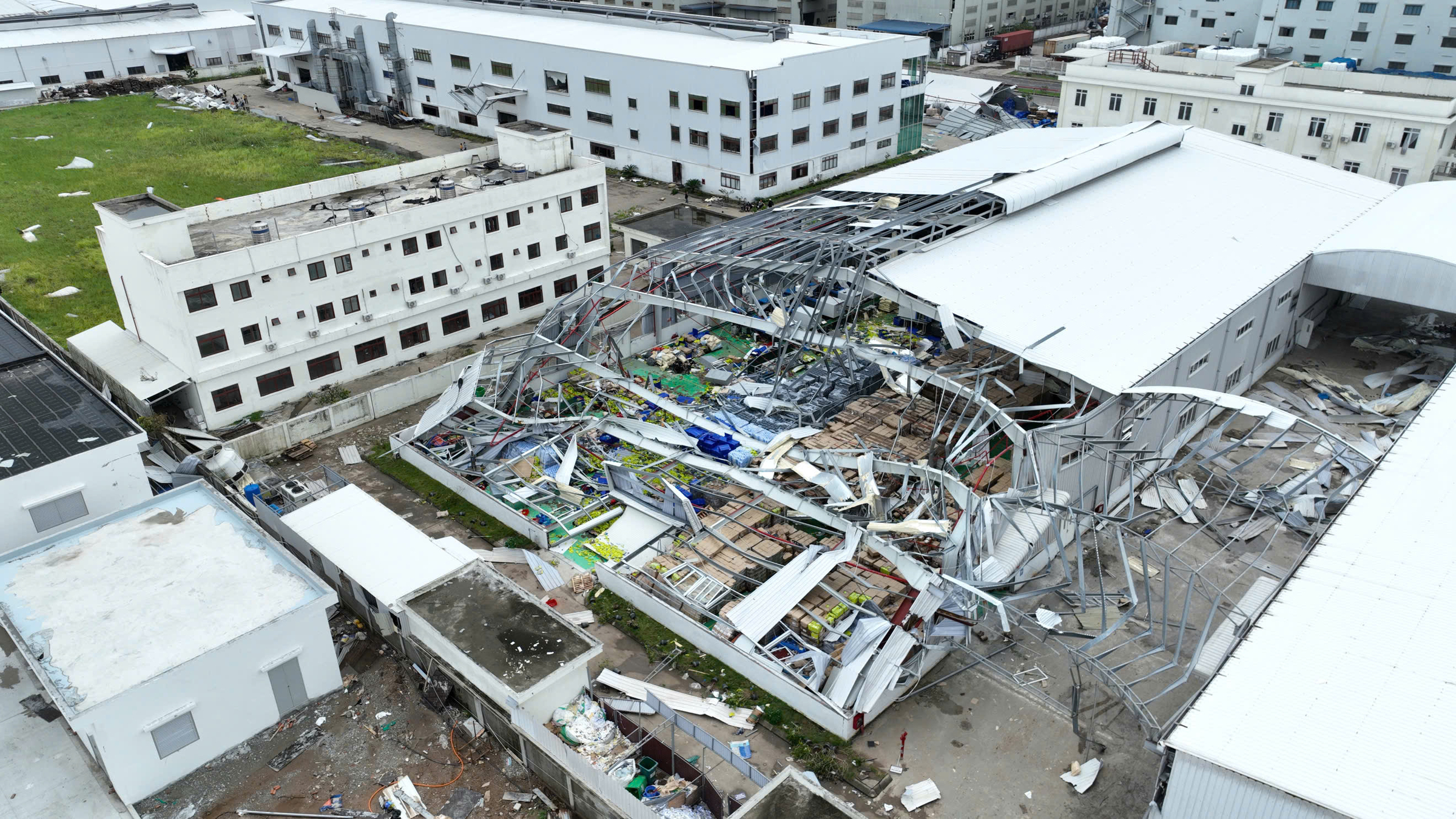 |
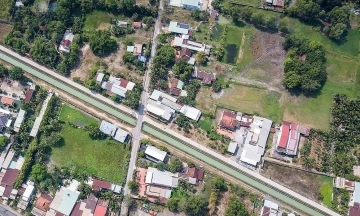
Do Son Industrial Park, Hai Phong city, devastated after Typhoon Yagi in 2024. *Photo: Le Tan*
The report highlights a substantial "financial gap for loss and damage", with up to 70% of losses not fully compensated. This results in prolonged post-disaster reconstruction in many localities, dependent on annual budget allocations. The report notes, "In vulnerable areas, this can create a damage-recovery-re-damage cycle as natural disasters occur with increasing frequency."
Amid climate change, the scale and severity of damage in Vietnam are rapidly increasing. Extreme weather events are not only more frequent but also unpredictable. In 2024, Typhoon Yagi alone caused economic damage exceeding 91.600 billion VND and resulted in over 500 deaths and missing persons. In 2025, a record number of typhoons caused over 100.000 billion VND in damage.
UNDP considers this evidence that damages are increasingly exceeding traditional response capacities. Beyond tangible losses like homes and infrastructure, the report emphasizes the growing prominence of non-economic damages. Many losses related to biodiversity, ecosystems, cultural heritage, and mental health are not fully quantified, risking their omission in policy planning and resource allocation.
A primary reason for this financial gap is the undiversified resource structure. The state budget remains the main source, yet fiscal space is limited, especially during widespread disasters. While ODA capital is important, it struggles to meet immediate needs due to its disbursement processes and procedures.
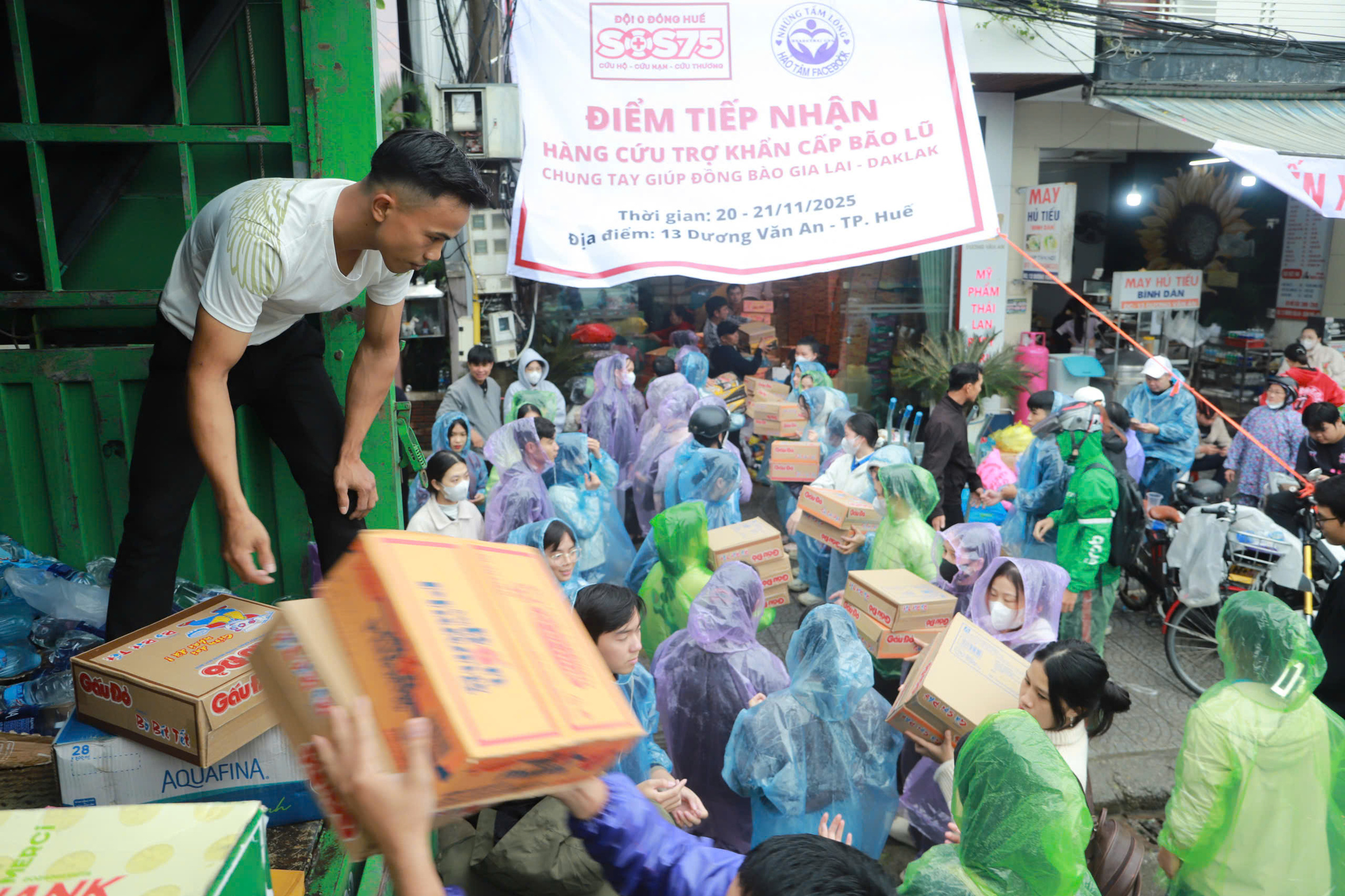 |
Residents of Hue city help transport relief supplies to the South Central Coast in 2025. *Photo: Vo Thanh*
Private sector participation in disaster risk sharing remains limited. The report suggests that Vietnam lacks appropriate incentive mechanisms and financial tools, leading to the underdeveloped implementation of models like disaster risk insurance, parametric insurance, or catastrophe bonds.
Internationally, the issue of loss and damage is becoming a pillar of global climate action, alongside emission reduction and adaptation. The establishment of the Loss and Damage Response Fund at COP27 is a significant step, opening opportunities for vulnerable nations to access new financial resources.
However, the report notes Vietnam's limited capacity to utilize these resources. Key barriers include insufficient data, a lack of standardized assessment methods, and limited project development capacity, which hinder effective access to international funds.
To bridge the gap between damage and compensation capacity, experts recommend a more comprehensive approach to climate finance. Diversifying resources is a top priority, including promoting private sector participation through incentive policies and developing new financial tools.
The report emphasizes, "Building a national data system on loss and damage, along with applying technologies like remote sensing and artificial intelligence, is fundamental to enhancing management and decision-making efficiency."
As natural disasters become more extreme and recovery costs rise, the financial challenge is no longer just a budgetary concern; it has become a determining factor for long-term resilience and development. UNDP warns that without promptly addressing this gap, climate shocks could continue to disrupt development progress, especially in already vulnerable regions.
Gia Chinh