Deciding whether to book directly with a hotel or through online travel agencies (OTAs) is a common consideration for many travelers planning a trip, as each option presents distinct advantages and disadvantages.
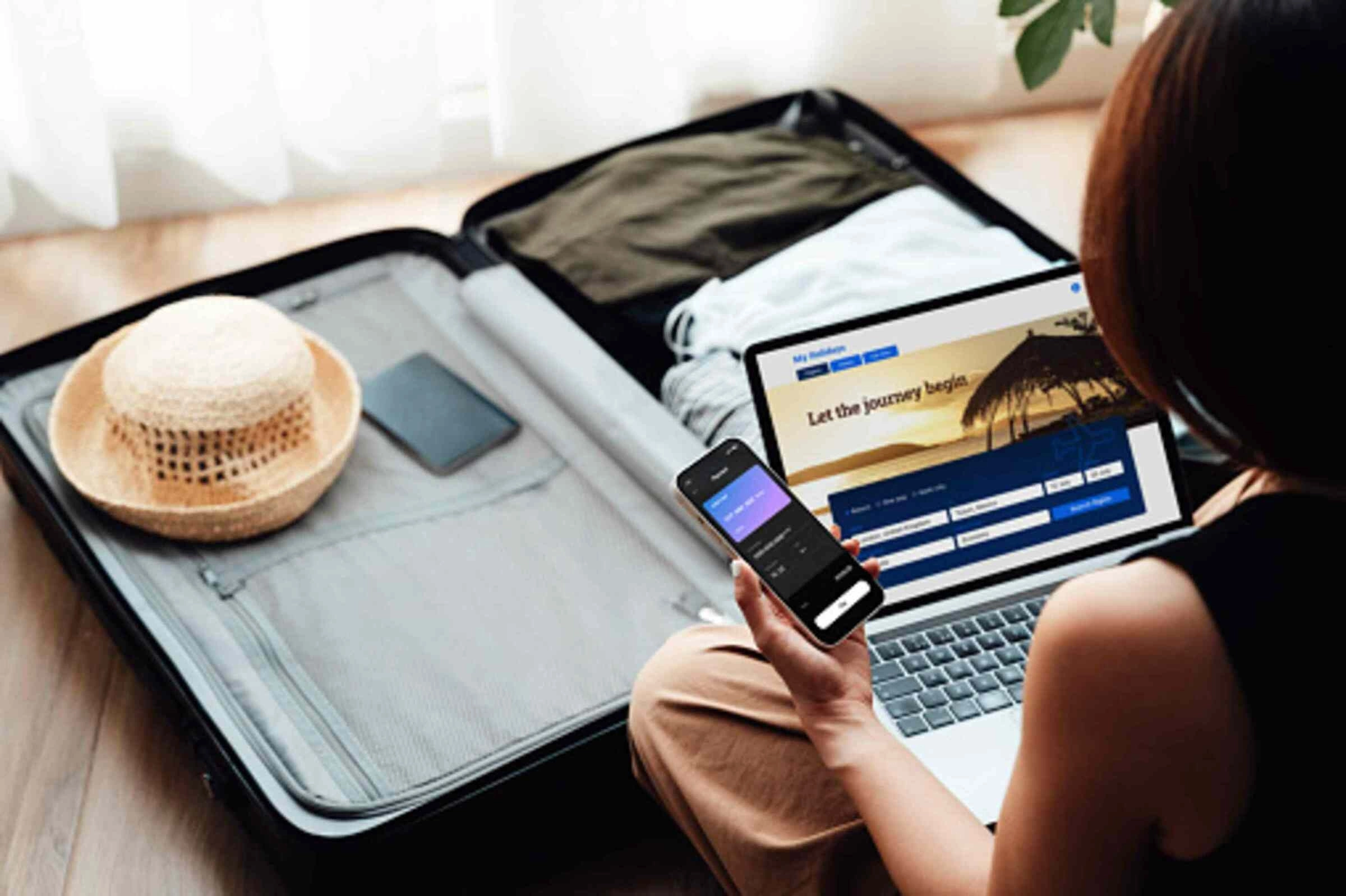 |
Travelers prepare for a trip. Photo: Southern Living. |
Direct booking advantages
Direct booking often offers more benefits for travelers seeking upgrades, additional amenities, or exclusive offers. According to Paulo Paias, General Manager of Zemi Beach House, a resort located in Anguilla, a British overseas territory in the Caribbean Sea, many major hotel chains implement "best price guarantee" programs to encourage direct reservations.
Zemi Beach House, for instance, provides exclusive programs for guests who book directly, such as a USD 150 daily credit for dining and spa services during stays of three to five nights. Similarly, the Marriott hotel group guarantees the best available rate, automatically reducing the price by an additional 25% if guests find a lower rate on other platforms.
Online travel agency booking
For travelers prioritizing convenience, the ability to compare options, and booking multiple services simultaneously, third-party platforms may be more suitable.
Melanie Fish, an expert from the online travel service application Expedia, states that these platforms allow travelers to compare numerous hotels, combine services within the same trip for discounted rates, and manage their itinerary in one centralized location.
Platforms like Expedia also display prices and fees upfront during the booking process, including resort fees, cancellation policies, and mandatory charges. This transparency enables travelers to compare total costs and benefits before making a decision.
Potential issues with third-party bookings
A key limitation of booking through intermediary platforms is the potential for information gaps between the guest and the hotel.
A former receptionist at a W Hotel property, a US franchised hotel chain, recounted numerous instances where guests complained about rooms not meeting expectations or special requests going unfulfilled.
According to this individual, when bookings are made via a third party, hotels sometimes only receive basic details such as the guest's name, stay dates, room type, and rate. Special requests, loyalty program membership information, or certain benefits advertised on the intermediary platform may not be fully transmitted to the hotel's system.
The reason is that hotel and OTA management systems are not always fully synchronized.
Consequently, when issues arise, the front desk staff may not be aware of all commitments made to the guest during booking. In such cases, guests often need to contact the platform where the transaction was made directly for resolution.
Making your choice
There is no single best option for all travelers.
If prioritizing benefits, reward points, room upgrades, and personalized services, booking directly with the hotel is often a worthwhile consideration.
Conversely, for those aiming to save time, compare multiple options, or bundle flights, hotels, and car rentals, intermediary platforms can be more convenient and occasionally offer better prices.
Before finalizing payment, travelers should verify the total cost, additional charges, cancellation or modification policies, and the actual benefits applied. For special requests, direct booking with the hotel can help mitigate the risk of missing or inaccurately communicated information.
Anh Minh (via Southern Living)