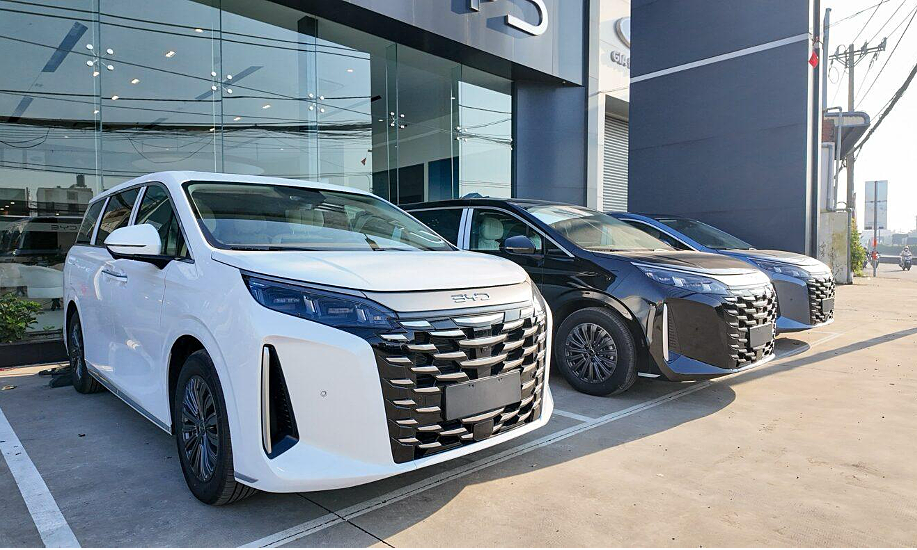
The Chinese automaker's electric vehicle subsidy has been cut by more than half, to 150,000 yen (936 USD), as part of revisions prioritizing automakers using domestically produced batteries.
The Ministry of Economy, Trade and Industry (METI) of Japan's recalculated clean energy vehicle subsidies will take effect in April. Significant cuts will be implemented starting 1/2026.
BYD's previous subsidies, which ranged from 350,000-400,000 yen (2,200-2,520 USD), were already the lowest among automakers.
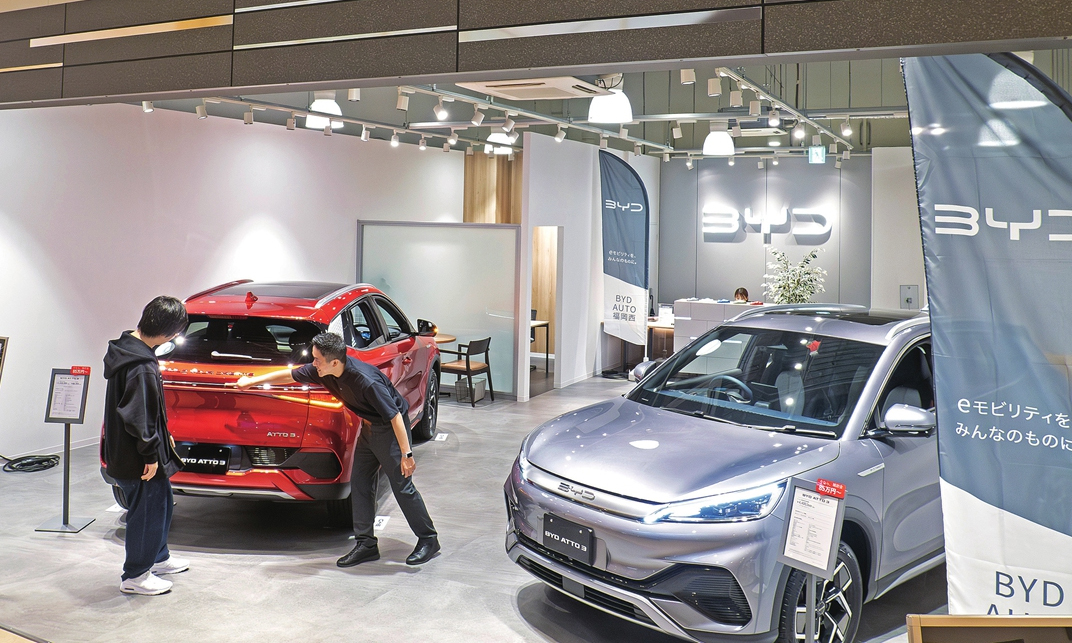 |
A BYD store in Fukuoka, Japan. Photo: VCG |
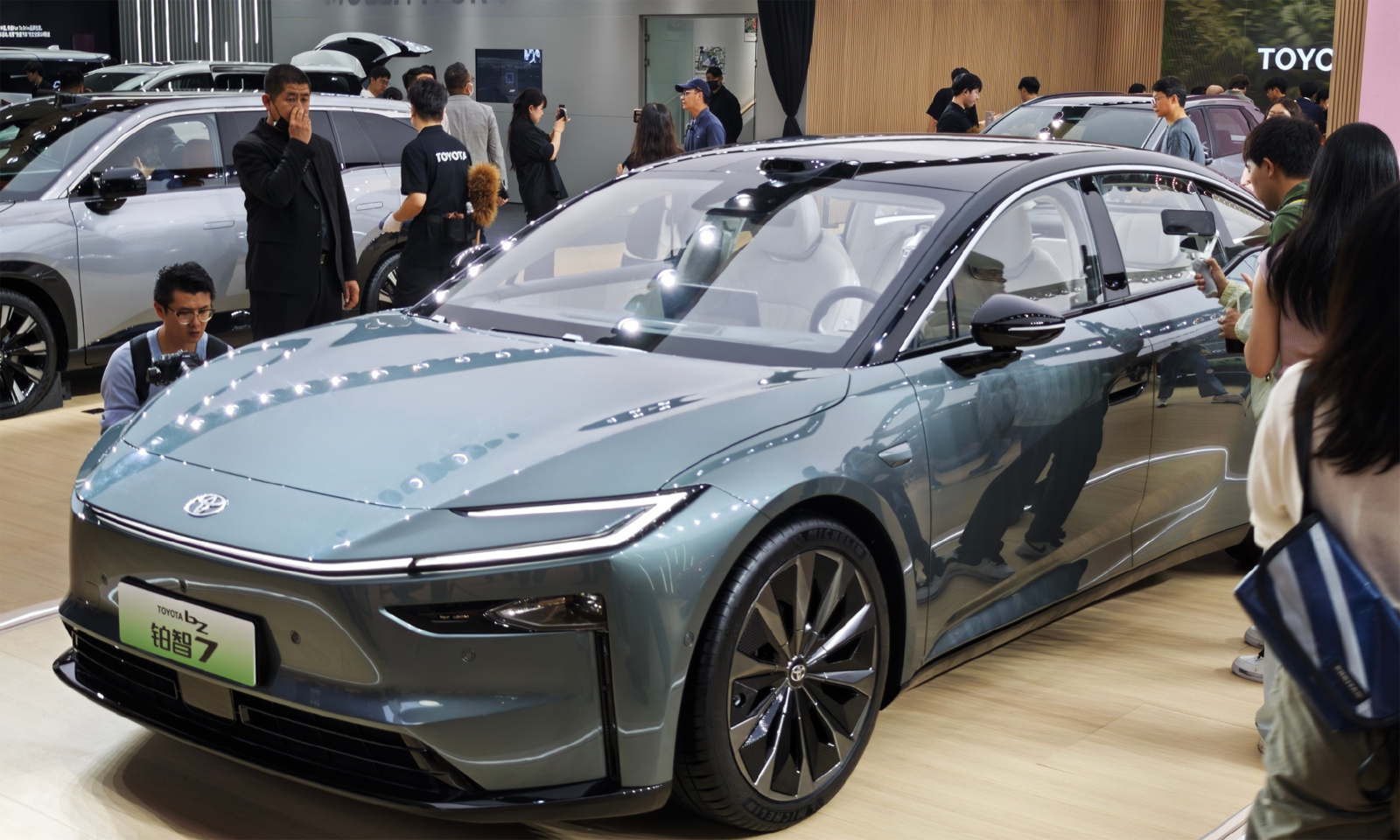
Toyota's bZ4X model, which uses batteries produced in Japan, retains the highest subsidy of 1,3 million yen (8,200 USD). Nissan's Ariya model will see its subsidy reduced to 1 million yen (6,300 USD) by 2027, down from 1,29 million yen (8,100 USD).
Subsidies for models from manufacturers like Audi and Hyundai will be significantly cut, as many imported vehicles do not use batteries produced in Japan. In contrast, Tesla's subsidy, which amounts to 1,27 million yen, will remain unchanged.
Electric vehicles account for less than 2% of new car sales in Japan. Despite this, Chinese electric vehicle giant BYD plans to launch an electric kei-car in 2025 to enter the domestic market. The subsidy reduction deals a significant blow to these nascent efforts.
This move appears to be a measure to protect Japan's automotive industry from the strong emergence of Chinese brands, with BYD projected to be the world's 6th largest automaker by 2025.
The policy change also highlights how governments are using electric vehicle incentives not only to promote adoption but also to direct investment and technology supply chains. This approach could reshape competition in major automotive markets as Chinese manufacturers expand globally.
My Anh (according to Nikkei)