In a recent video, a woman driving a compact car, designed for urban maneuverability, carelessly parked it diagonally. The rear of her vehicle protruded into a narrow street, directly obstructing other traffic. Even more concerning, when a driver with a dashcam reminded her, she showed no remorse, simply walking away as if it were not her concern, instead of adjusting her car.
This self-serving parking behavior, coupled with a blatant disregard for responsibility, represents a serious lack of traffic etiquette. Owning a vehicle involves more than just driving skills; it primarily requires an awareness of community respect and adherence to basic public conduct rules.
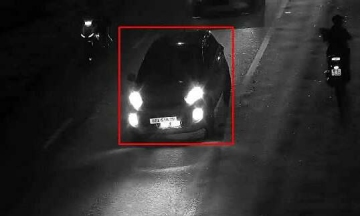
In another incident, a video showed an unbelievably nonchalant attitude from the driver of a black SUV. The vehicle was stopped diagonally in the middle of the road, with the driver's side front wheel even crossing the lane divider. The rear of the vehicle protruded, occupying almost an entire lane of traffic.
Throughout the minute-long video, a woman slowly walked from the roadside, leisurely opened the trunk to put away items, then slowly closed it and walked away, as if parking in her own driveway. This is not merely a lack of awareness but a blatant disregard for the law and public safety.
While these may seem like isolated incidents, they reflect a pervasive societal issue. In the past, buying a car was difficult, leading to fewer vehicles, wider roads, and ample parking. Today, cars are more accessible than ever, costing a few hundred million dong. With just a driving course and a license test, thousands of new drivers hit the roads each month.
I do not blame the vehicles; they are not at fault. The problem, I believe, is systemic. First, it starts with driving instructors: are these drivers adequately taught about proper parking and not obstructing traffic? Next, are penalties and detection of violations thorough enough? This will likely improve with AI cameras and widespread use of reporting apps for traffic infringements. Finally, in our daily lives, have we developed the habit of not inconveniencing others? I fear we have not.
What should be done now? I believe there is no alternative but strong, thorough enforcement through fines. Only when hit financially will people learn to fear the consequences.
Reader Song Ngu