Greg Tresley, 54, of Langhorne, Pennsylvania, typically aims to save USD 700-800 each month. However, rising gas and food prices, coupled with several unexpected major expenses, have left him barely able to break even over the past few months.
Tresley's wife canceled their plans to visit relatives in Arizona. "Now we almost exclusively cook at home. Our grocery habits have also changed; we check for discounted items first," he told the Washington Post in June.
By July, earnings reports from various US retail chains, restaurants, and luxury brands also indicated that consumers are prioritizing most of their budget for essential goods and delaying large purchases, according to Reuters.
One of the clearest signs of this cautious sentiment is the reduced average basket value at Walmart and Target. Customers still visit, but they spend less on each shopping trip. Walmart Chief Financial Officer John David Rainey stated, "Gas prices exceeding USD 4 have likely impacted sentiment. Consumers are beginning to make trade-offs between expenses."
Walmart recently reported its lowest sales growth in six years, despite discounting 11,000 items. Angeline Ong, a senior investment analyst at IG Group, commented, "Even Walmart, which typically benefits when affluent households shift to more affordable segments, could not sustain the increase in average spending."
A survey by the Ipsos Consumer Tracker platform revealed that half of Americans (48%) are paying more attention to the price per product. The report noted, "This change primarily stems from budget pressure." To better control spending, 41% are choosing larger product sizes or buying in greater quantities. Additionally, about half (52%) have altered their grocery shopping frequency.
At McDonald's, discounted meals this quarter were insufficient to attract more customers. According to Axel Rudolph, an analyst at IG Group, for individuals under significant financial pressure, discounts are only effective to a certain extent. "The issue lies in how much disposable income they have left to spend," he explained.
This caution is also impacting home improvement retail chains. While Home Depot and Lowe's benefit from home maintenance needs and seasonal projects, high interest rates are causing many to postpone major upgrade plans.
Mid-month, data from the US Commerce Department showed that July retail sales unexpectedly fell by 0,6%, the sharpest decline since 5/2025, contrary to analysts' forecasts for an increase. Heather Long, chief economist at Navy Federal Credit Union, remarked that July retail sales were disappointing across the board. "American consumers are showing signs of fatigue," she noted.
Walmart, TJ Maxx, and Home Depot have all warned that shoppers remain highly "selective." Joel Goldstein, President of Mr. Checkout Distributors, explained, "Selectivity is evident in snacks and impulse products. Customers are still willing to pay for the one item they truly want but will skip the second."
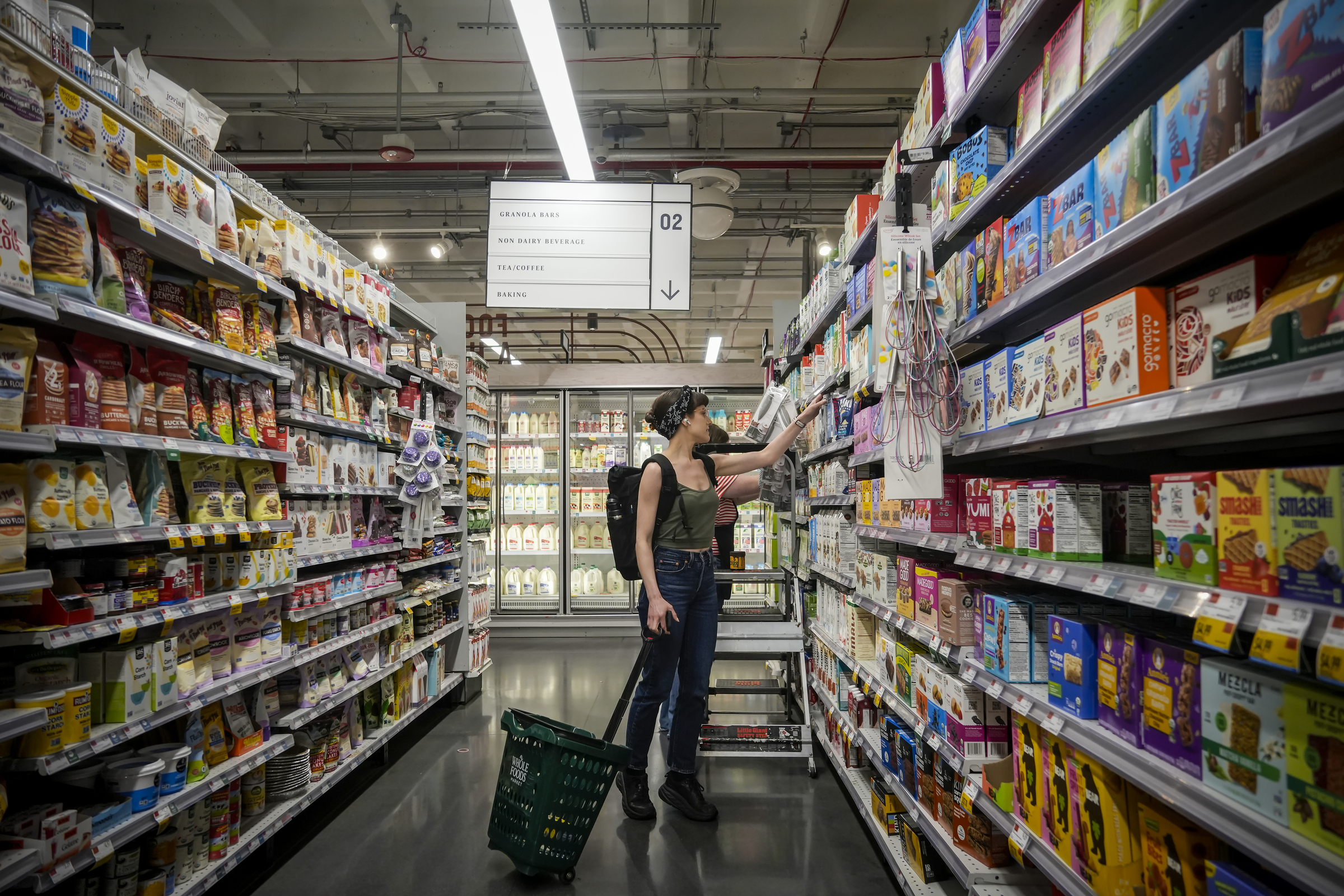 |
Consumers shop at Whole Foods in New York on 23/7/2025. Photo: Reuters
To date, overall spending has not collapsed, but "households are deliberating much more carefully about where their money will be spent," according to Lale Akoner, global market strategist at eToro.
Affluent consumers continue to purchase Ralph Lauren linen shorts and premium beauty products, while lower-income groups are rebalancing their budgets at Taco Bell and Ross Stores, combining inexpensive meals and discounted clothing with essential items.
With gas prices remaining high, this trend is forecast to extend into the year-end shopping season. Retailers will likely need to combine discounts, new product launches, and the addition of premium brands to attract customers.
Bernard Yaros, chief US market economist at Oxford Economics, stated that the latest retail figures prompted the organization to lower its spending forecasts. "But it is still too early to underestimate purchasing power," he added.
According to Yaros, the labor market generally remains "balanced," and wealthy households continue to spend, benefiting from a strong stock market. Meanwhile, lower-income individuals are actively seeking discounts.
Elizabeth Lafontaine, research director at Placer, noted that discount retailers, electronics, and stationery stores had a strong start to the back-to-school season. "Consumers are taking advantage of early discounts to complete their shopping goals," she said.
Walmart, Target, and many other retailers are boosting fall discounts to attract customers pressured by inflation. Target reported that 95% of school supplies are priced at or below last year's levels.
By Phien An (Reuters, AP, Washington Post)