 |
Managing diabetes does not mean completely avoiding fruits. Instead, it involves making informed choices and consuming them appropriately. Many fruits have a low to medium glycemic index (GI) and are rich in fiber and antioxidants, which can help maintain stable blood sugar levels.
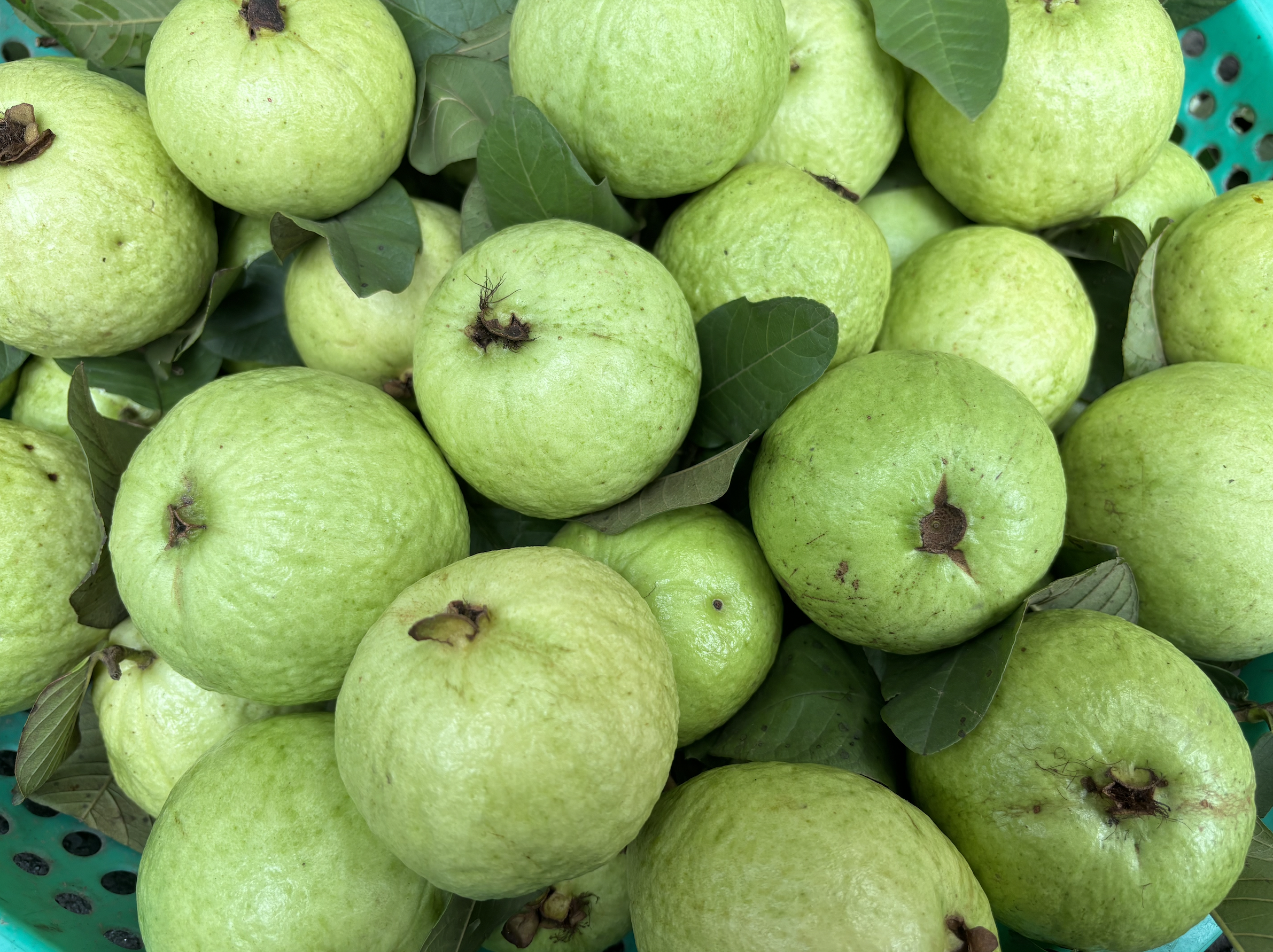
Guava is rich in vitamin C and fiber, helping to control blood sugar. With a low GI (around 12-31 depending on ripeness and type), consuming guava does not cause sudden insulin spikes. Diabetics can cut it into small pieces with a pinch of salt or chop it into a salad to enhance flavor.
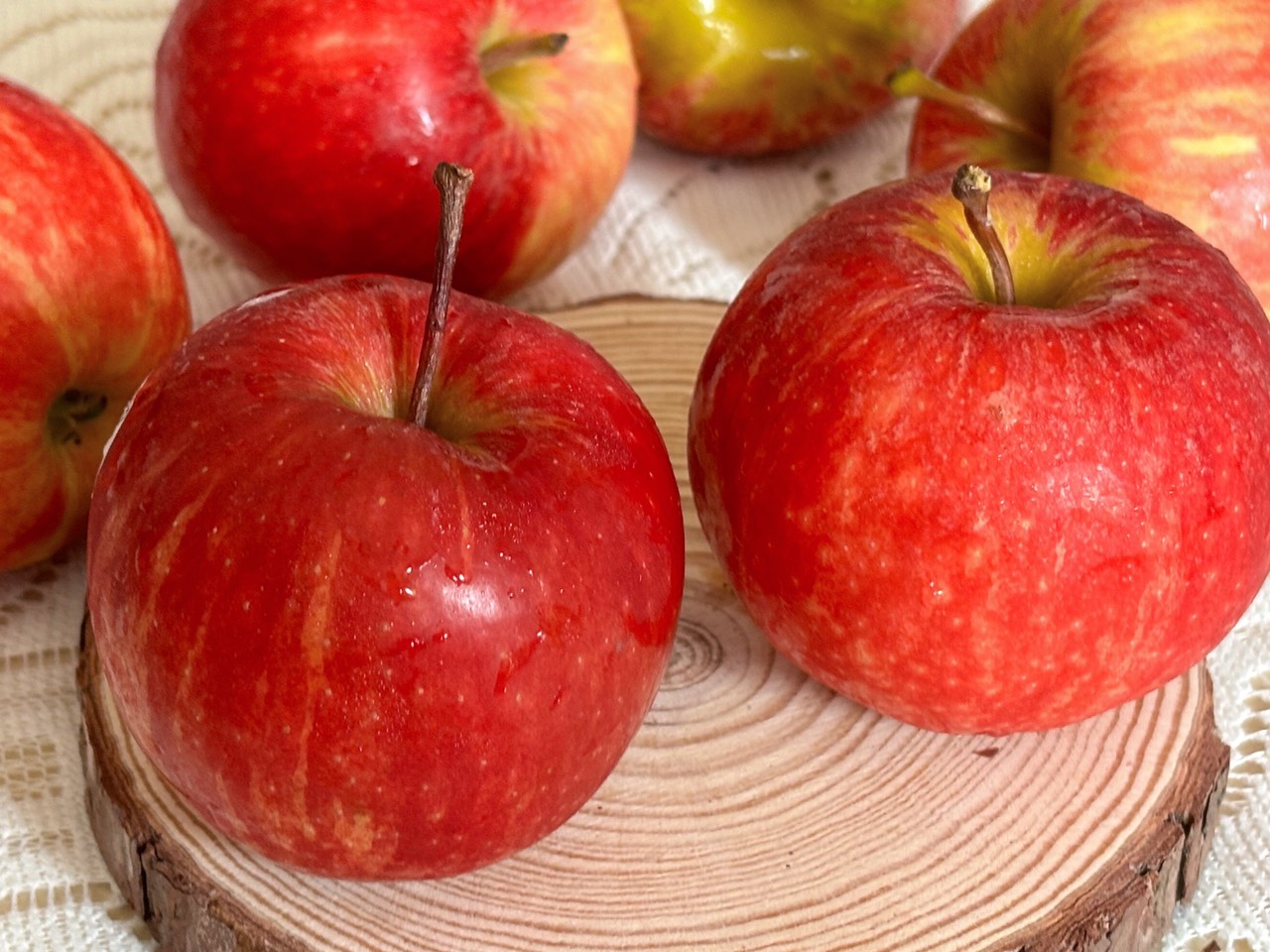 |
Apples have a GI of approximately 36-40 and are rich in pectin and polyphenols, which help regulate blood sugar. Apples are convenient to carry and eat throughout the day. You can enjoy one small apple (with the skin on) in the afternoon or combine it with a tablespoon of peanut butter for a satisfying snack.
 |
Strawberries provide beneficial ellagic acid, which helps control hyperglycemia—a typical sign of diabetes, especially common in people with type 2 diabetes. Strawberries are also rich in antioxidants and vitamins.
 |
Kiwi is another suitable option for individuals with diabetes. This fruit has a low to medium glycemic index and is rich in fiber, vitamin C, and antioxidants.
The fiber content in kiwi helps slow sugar absorption, thereby supporting blood sugar stability. However, you should consume only one to two fruits per serving to avoid excessive carbohydrate intake.
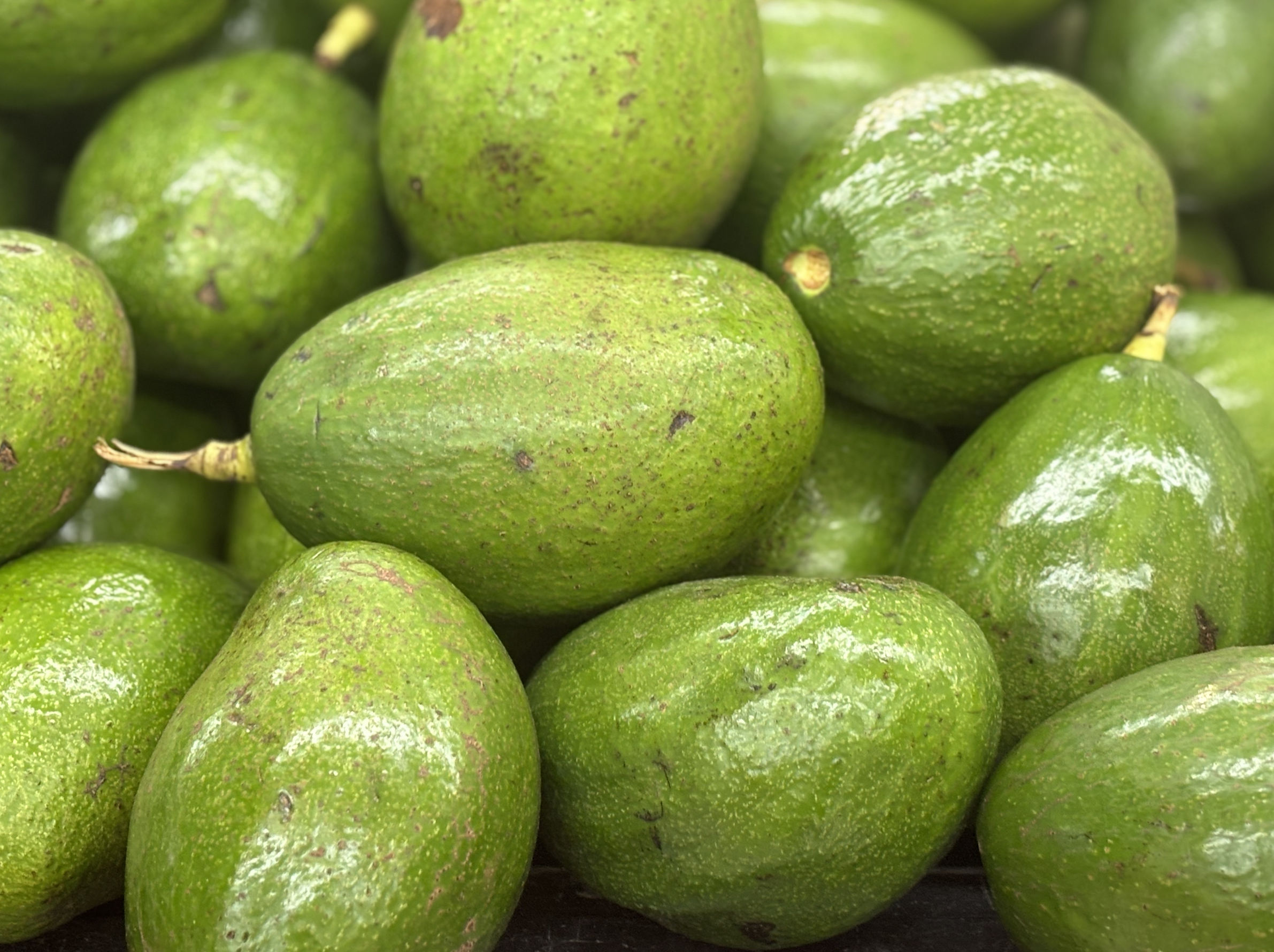 |
Avocado is beneficial for diabetics due to its low carbohydrate content and richness in healthy fats. The monounsaturated fats in avocado are not only good for cardiovascular health but also help improve insulin sensitivity and reduce sudden blood sugar spikes.
Consuming avocado as an evening snack can support better triglyceride metabolism the following morning.
By Bao Bao (According to Times of India, Eating Well)
Photos: Anh Chi, Bao Bao