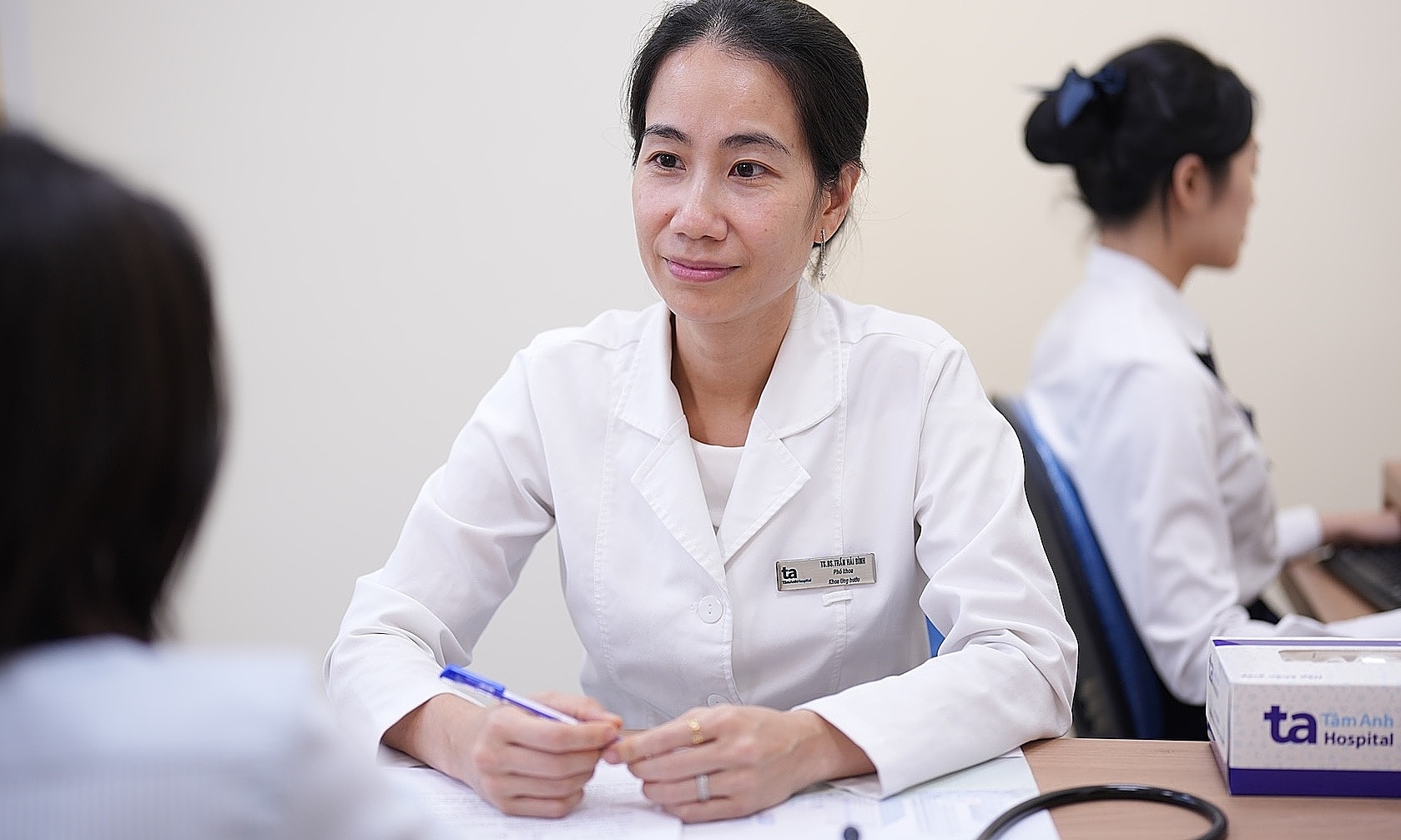
At the application launch event on 17/5, Le Quang Dung, Chairman of the Board and Chief Executive Officer of OSP Group, emphasized that AI does not replace doctors in diagnosis or prescription. Instead, the virtual assistant supports users by automatically reading and digitizing data from blood pressure monitors, prescriptions, and medical examination slips.
For instance, the application records daily health data, then synthesizes and presents these indicators in an intuitive, easy-to-understand way for users. The system also continuously monitors indicators. When abnormal blood pressure fluctuations are detected, the AI immediately issues an alert. Users can share their health data through the application, allowing distant relatives to monitor and receive timely warnings.
This technology solution emerges as the prevalence of cardiovascular diseases continues to rise. Associate Professor, Doctor Do Van Chien, Deputy Head of the Department of Cardiovascular Resuscitation (Military Central Hospital 108), stated that about one-third of the population over 18 years old suffers from high blood pressure. This condition is a leading cause of stroke and mortality. The Vietnam National Heart Institute published data in 2020 showing that the country had over 12 million people with the disease, but 9,7 million were unaware of their condition or received ineffective treatment. Many patients are hospitalized at a late stage of the disease. Doctor Chien also highlighted the significant gap in post-discharge care, when patients face a high risk of damage and stroke in the initial three months.
Major General Pham Nguyen Son, Vice Chairman of the Vietnam Heart Association, pointed out that the biggest barrier lies in community awareness and adherence to treatment protocols. Many individuals adopt a complacent attitude, only measuring blood pressure when feeling unwell, arbitrarily changing medication, or skipping follow-up appointments, which hinders effective disease management.
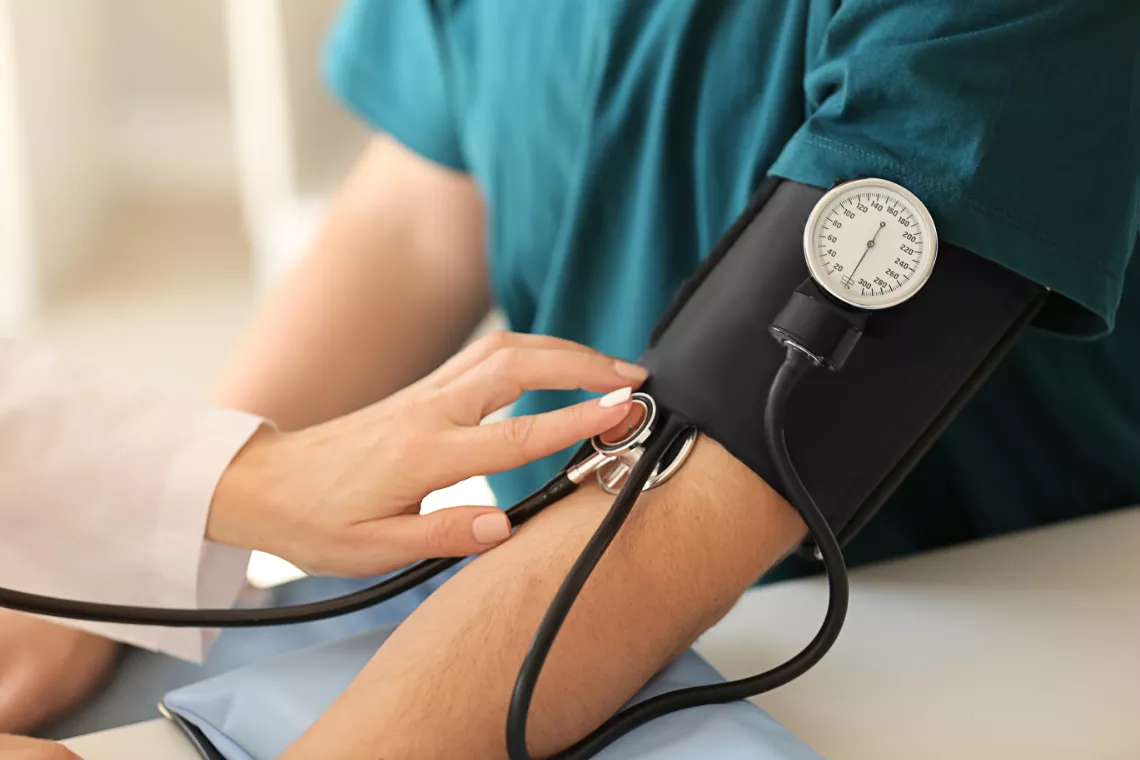 |
Illustration: Ceufast |
The European Society of Cardiology and the Vietnam Heart Association define high blood pressure as a systolic reading of 140 mmHg or higher, or a diastolic reading of 90 mmHg or higher. The World Health Organization (WHO) refers to it as a "silent killer" due to its lack of typical symptoms, currently affecting about 1,5 billion people globally.
Experts recommend that individuals, especially those over 40 years old, should have their blood pressure checked at least once a year. Patients with underlying conditions such as diabetes or kidney failure must monitor it regularly as prescribed by medical professionals. Local health stations and family doctors are fully capable of managing high blood pressure patients by guiding lifestyle adjustments and medication use; they only refer patients to higher-level facilities when their condition exceeds local control capabilities.
Thuy An