A handful of pistachios, approximately 28g, offers an energetic and nutritious snack. When combined with a balanced diet, moderate daily pistachio consumption provides numerous health benefits.
Pistachios are a natural source of fiber, supporting digestive health. A 28g serving contains nearly 3g of fiber, which aids bowel movements, reduces constipation, and nourishes beneficial gut bacteria. Fiber also promotes a feeling of fullness, helping to curb excessive snacking.
These nuts also provide protein, contributing to prolonged satiety. A handful of pistachios offers about 6g of plant-based protein. This protein, combined with fiber, slows digestion, extends feelings of fullness, and supports muscle maintenance. Most nuts provide 3-7g of protein per 28g serving, along with other nutrients. Experts recommend nuts as a snack alternative to sweets or ultra-processed foods.
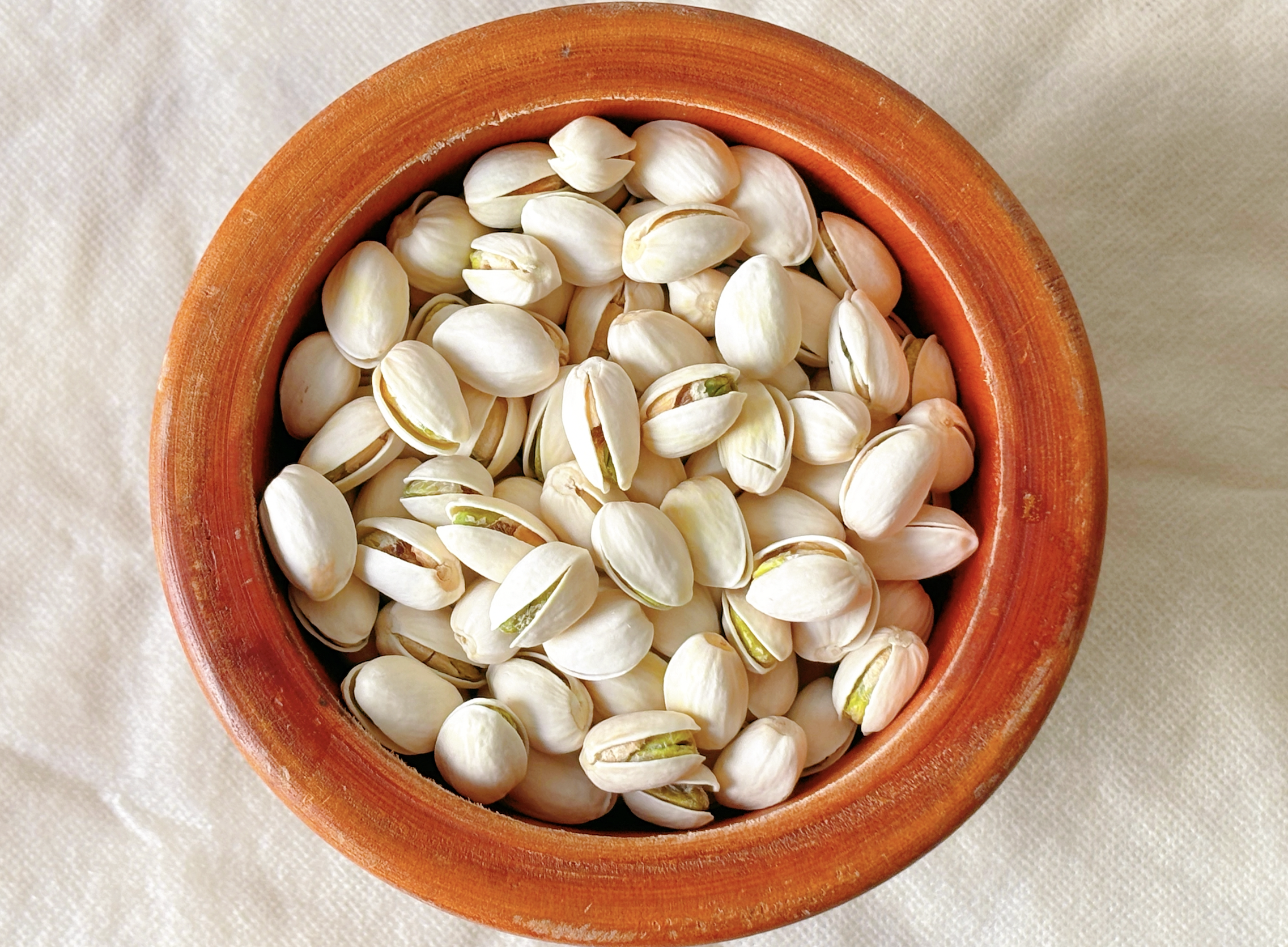 |
Pistachios are rich in fiber, protein, healthy fats, and vitamins beneficial for health. Photo: Bao Bao. |
Despite common misconceptions, pistachios are largely composed of unsaturated fats, which are beneficial for heart health. Regular nut consumption is linked to a reduced risk of death from heart disease. The unsaturated fats, along with fiber and antioxidant compounds in pistachios, can help improve blood cholesterol and support blood pressure control when they replace foods rich in saturated fats.
Pistachios are also a significant source of vitamin B6, which supports brain function and immunity. This vitamin is crucial for protein metabolism, aiding in the production of neurotransmitters and red blood cells, and maintaining normal immune system function. A single serving of pistachios can provide about 20-25% of an adult's daily vitamin B6 needs. Additionally, pistachios contain copper, potassium, phosphorus, and other essential micronutrients.
Furthermore, pistachios supply magnesium, a mineral vital for muscle and nerve function. Magnesium participates in over 300 biochemical reactions in the body, ranging from regulating blood sugar and blood pressure to nerve function and muscle contraction. Nuts, including pistachios, are a good natural source of magnesium. Consuming magnesium-rich foods helps meet daily requirements, especially for individuals whose diets lack green vegetables, legumes, and whole grains.
Experts recommend consuming only about one handful of pistachios, approximately 28g, daily. This serving provides protein, fiber, and healthy fats without contributing excessive calories. Overconsumption can lead to a surplus of energy, potentially causing weight gain over time.
To maximize benefits, opt for unsalted or lightly salted pistachios, and limit varieties coated with sugar, butter, or spices. Individuals with nut allergies must avoid them and consult a doctor if they have a history of food allergies.
Bao Bao (Compiled by)