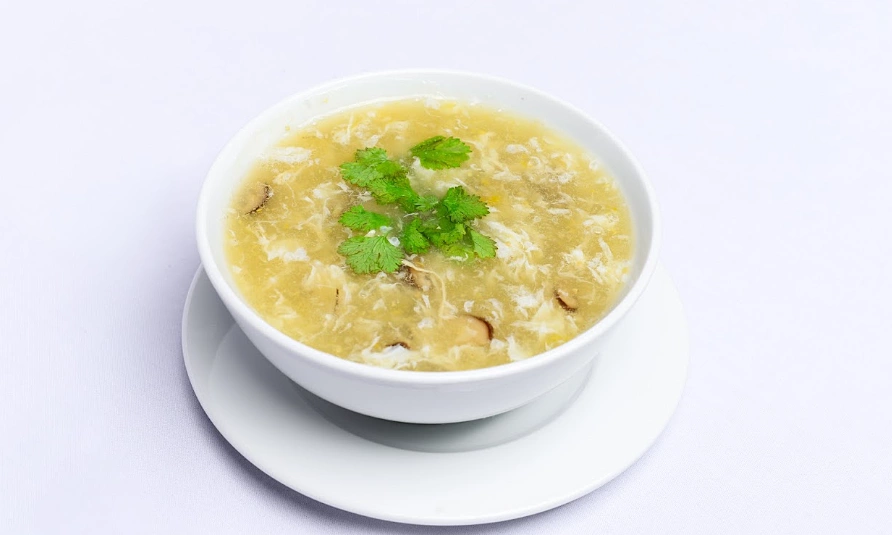
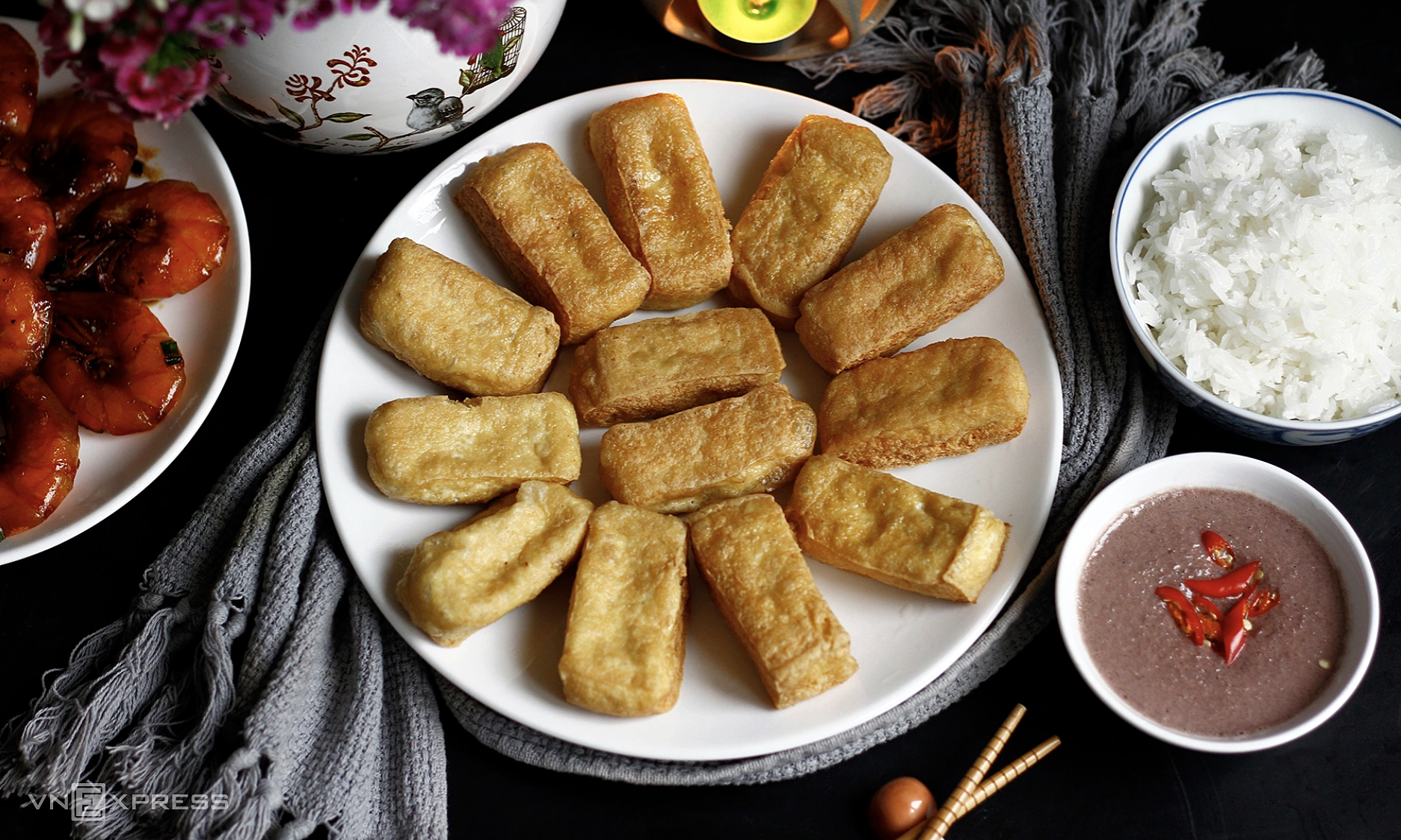
Bone broth has long been a familiar dish in the daily meals of many Vietnamese families. Many believe prolonged simmering makes broth more nutritious, particularly in calcium, purportedly aiding children's growth and strengthening bones in the elderly.
However, according to doctor Chu Thi Dung from University Medical Center TP HCM - Campus 3, bone broth is not a "miracle cure" containing a concentrated amount of calcium as commonly believed. Notably, three groups of people should particularly limit or be cautious when consuming this dish.
Infants in the weaning phase
Many parents habitually simmer bones to make broth for porridge, giving children only the liquid and discarding the meat, fish, or vegetables. They believe the sweet broth contains all nutrients. In reality, this practice leads to severe nutritional deficiencies in children's meals.
According to the Ministry of Health's complementary feeding guidelines, children from 6 to 23 months old require diverse and balanced nutrition for development. If only bone broth is used, children feel full quickly but receive little energy, protein, iron, or zinc. Bone broth should only add flavor to dishes; it cannot replace the solid foods, meat, fish, eggs, and vegetables children need daily.
Individuals with metabolic diseases
For individuals with dyslipidemia, overweight, or at risk of cardiovascular disease, bone broth, rich in marrow, skin, and animal fat, can increase saturated fat intake. This raises bad cholesterol (LDL) levels in the blood.
Additionally, the high content of soluble purines in concentrated bone broth is a factor gout patients should be cautious about to avoid negative impacts on their condition.
Specifically for patients with advanced kidney disease, hyperkalemia, edema, or heart failure, adjusting mineral and protein intake is strict. Therefore, patients should not consume bone broth based on anecdotal advice but must strictly follow a specialist doctor's instructions.
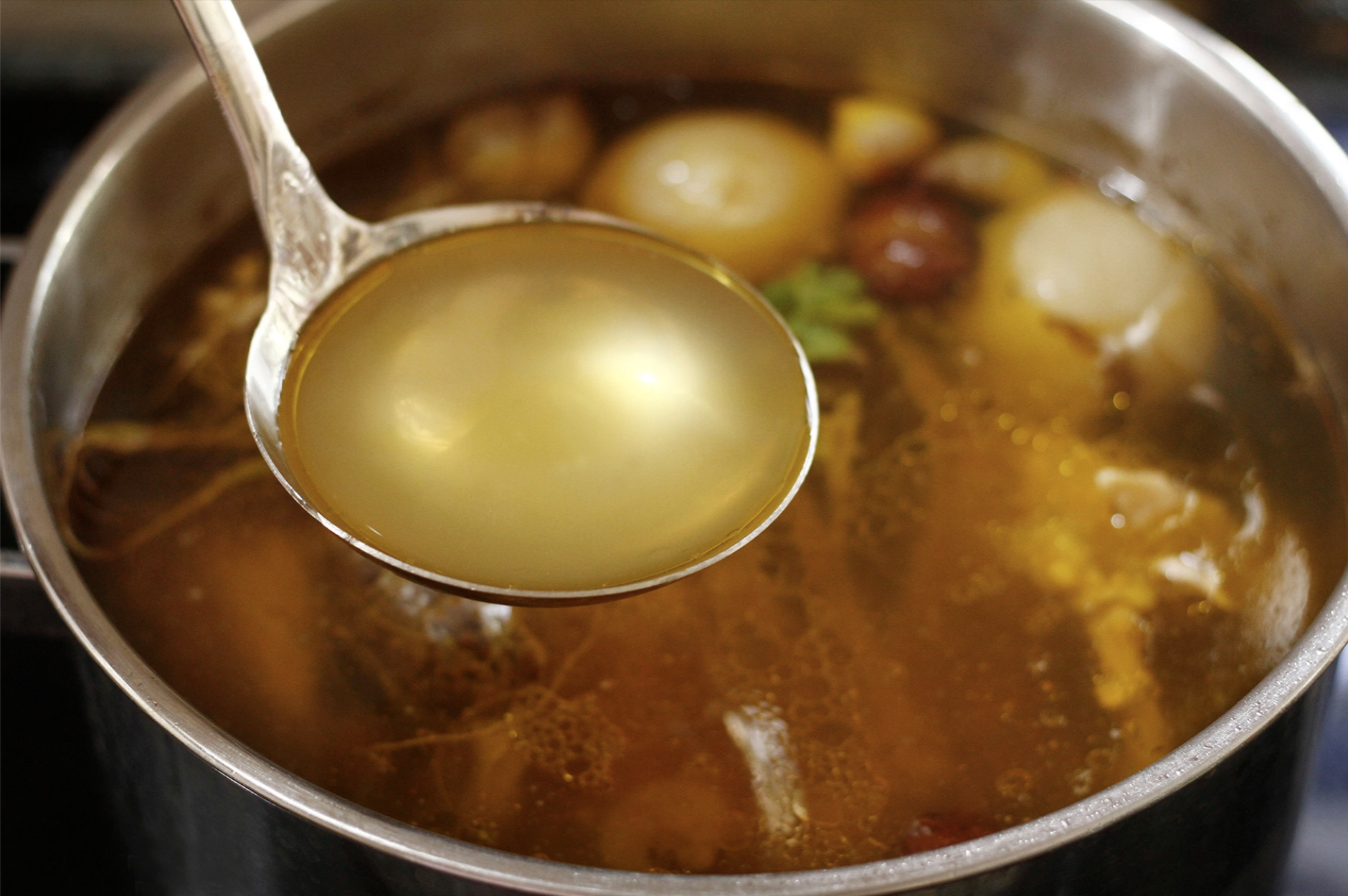 |
Infants, individuals with metabolic diseases, and elderly people with osteoporosis should limit their use of bone broth. *Photo: Bui Thuy*
Elderly people and postmenopausal women concerned about osteoporosis
Elderly people and postmenopausal women often share advice to drink plenty of bone broth to prevent and improve osteoporosis. However, nutritional analyses show the calcium dissolved in bone broth is low, insufficient to improve bone structure.
Misconceptions and reliance on bone broth instead of correctly supplementing with other calcium-rich nutritional sources cause elderly people to miss opportunities for effective bone and joint health care.
Bone broth is "mythologized" due to misconceptions about its color and cooking time. Calcium is embedded in the stable structure of bones, making it difficult to dissolve completely in water during cooking. A 2024 study analyzing 30 samples of broth from beef, pork, poultry, fish, and vegetables showed that a 250 ml serving of typical bone broth provides less than 5% of the daily requirement for calcium, iron, copper, and magnesium. Simmering bones for many hours or adding acidic ingredients may slightly increase mineral release, but the total amount obtained remains insignificant.
Furthermore, the milky white color and rich consistency of broth, often considered indicators of "high calcium," are actually the emulsification of fats, proteins, and the dissolution of gelatin from skin, tendons, and cartilage during boiling. The consistency or color does not reflect the amount of calcium in the bone broth.
Therefore, bone broth cannot replace milk or other calcium-rich foods. For comparison, 240 ml of cow's milk contains almost 300 mg of calcium, along with numerous other abundant calcium sources like yogurt, sardines, bone-in salmon, or tofu.
Beyond fat and purine content, another significant risk from bone broth comes from the amount of seasoning and salt added. Adding too much salt, fish sauce, seasoning powder, or soup cubes can cause sodium intake to exceed the World Health Organization's recommended limit (below 2,000 mg of sodium, equivalent to 5 g of salt per day), posing danger to individuals with hypertension, heart failure, and kidney disease.
Although not a rich source of calcium, bone broth can still be used as a regular soup to enhance family meals. To ensure health, cooks do not need to simmer bones for too long; they should choose ingredients from clear sources, season lightly, and skim off the solidified fat layer after cooling. The most important thing is to eat a varied diet, combining solid food components and vegetables to ensure balanced nutrition for the whole family.
My Y