At middle age, many women notice their weight remains stable, but their bodies become less firm, with increased abdominal fat. A proper diet not only helps manage weight but also maintains muscle mass, supports metabolism, and limits fat accumulation.
Adequate protein intake is essential. According to Eating Well, muscles undergo continuous breakdown and regeneration, requiring the body to be supplied with enough protein to repair damaged muscle fibers and form new muscle tissue. With age, however, the body's ability to utilize protein for muscle synthesis gradually declines, making muscle mass susceptible to loss if dietary needs are not met.
Reduced muscle mass slows metabolism, leading to less energy expenditure, and excess calories easily accumulate as fat. Therefore, women should prioritize quality protein sources such as fish, lean meat, eggs, milk, yogurt, and legumes. Distributing protein evenly across three main meals supports muscle maintenance.
Do not eliminate carbohydrates entirely. Many women drastically cut carbs hoping for rapid weight loss, but this can be counterproductive to muscle preservation and fat reduction goals.
Carbohydrates are the primary energy source for the body and muscles. A lack of this nutrient forces the body to mobilize other energy sources to sustain activity, leading to rapid muscle loss, while fat may not decrease.
Women should choose slow-absorbing carbohydrate sources like oats, brown rice, sweet potatoes, corn, and whole grains. These foods help maintain stable energy levels, limit rapid blood sugar spikes after meals, and control cravings.
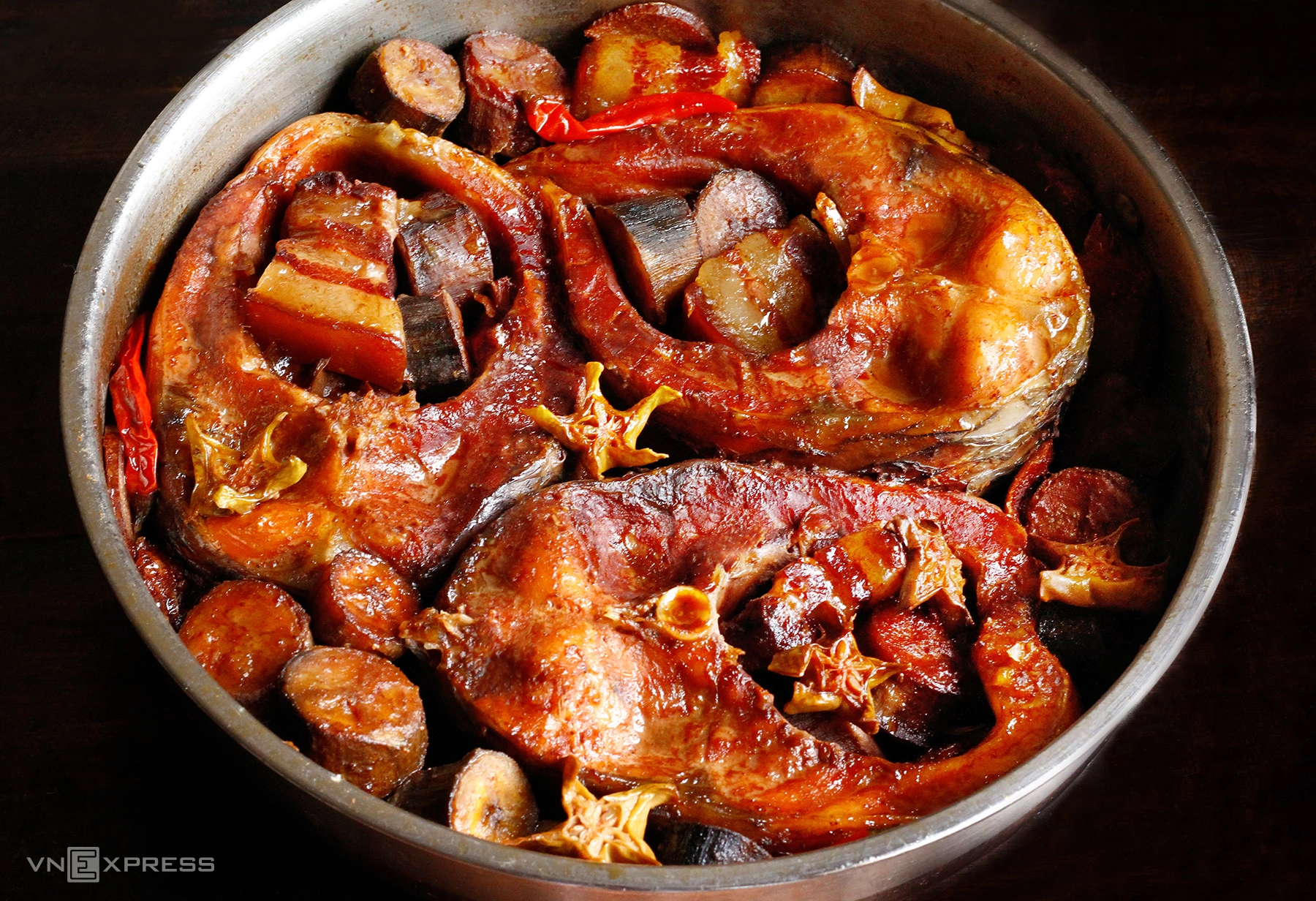 |
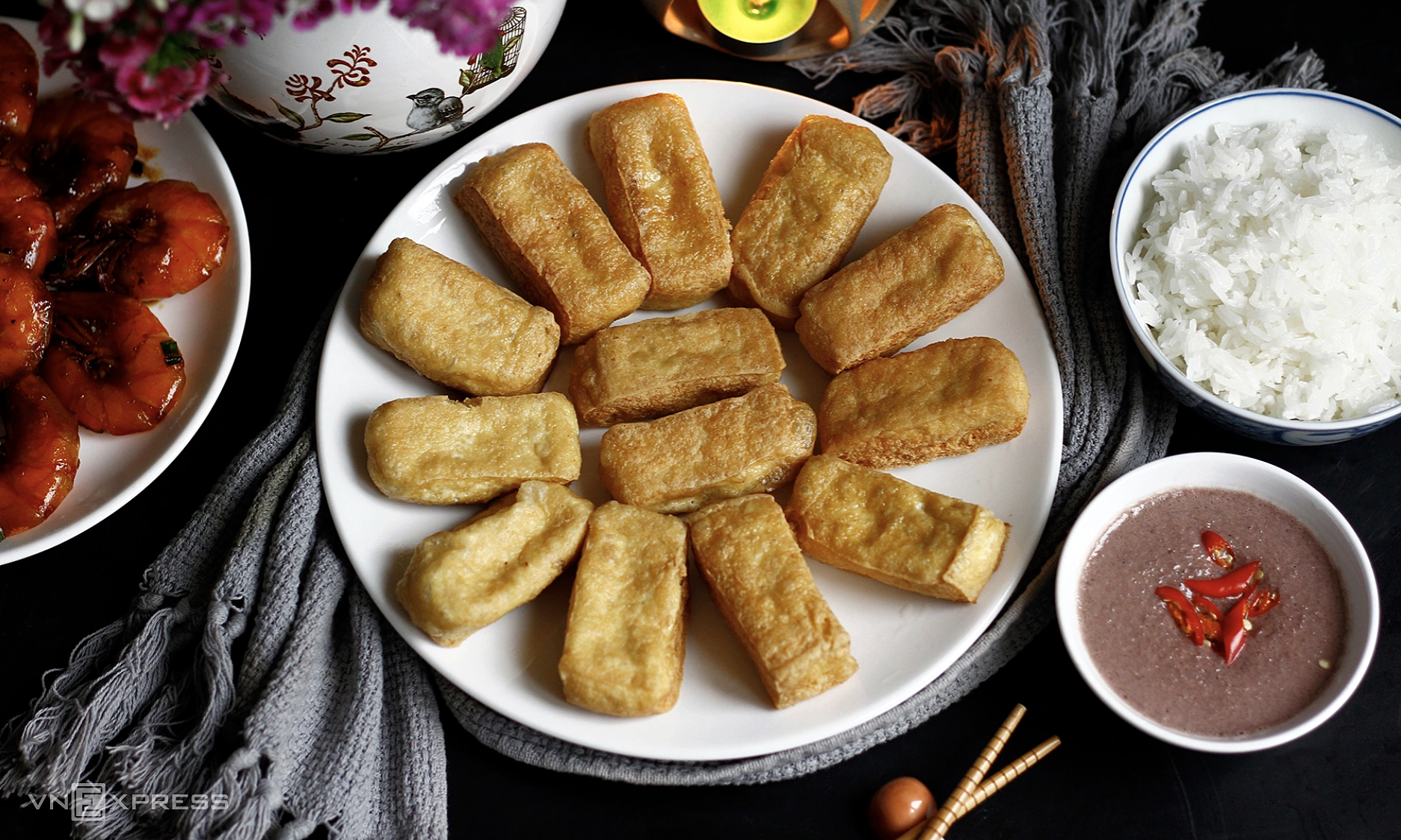
Fish is rich in protein and healthy fats. Photo: Bui Thuy |
Increase fiber intake. Alongside protein and carbohydrates, fiber plays a vital role in maintaining physique. Fiber-rich foods such as green vegetables, fruits, legumes, and whole grains slow digestion, prolong feelings of fullness, and limit overeating at subsequent meals.
Beyond supporting weight management, fiber also nourishes the gut microbiome, improves metabolism, and reduces the risk of type 2 diabetes and cardiovascular disease, according to Very Well Health.
Prioritize healthy fats. The body needs fats for normal function, to aid the absorption of fat-soluble vitamins, and to participate in hormone production. Women should prioritize unsaturated fat sources from fatty fish, avocados, nuts, flaxseeds, chia seeds, and olive oil. Limiting foods high in saturated and trans fats, such as fried foods, pastries, and fast food, will benefit health.
A proper diet achieves maximum effectiveness when combined with physical activity. Strength training exercises like lifting weights, using resistance bands, or squats stimulate muscle development and slow age-related muscle loss. Brisk walking, cycling, or swimming help increase energy expenditure, improve cardiovascular health, and support body fat control.
Le Nguyen (Compiled)
| Readers can send questions about pregnancy and childbirth here for doctors to answer. |