**Noticing small details others miss**
According to Times of India, keen observation is a key indicator of intelligence in children. They quickly notice minor changes in their surroundings, such as misplaced objects or subtle shifts in their parents' tone of voice. This ability demonstrates that their brain continuously gathers, processes, and analyzes information, laying a foundation for effective learning, discovery, and problem-solving.
**Frequently asking questions**
Children with sharp thinking are often highly curious and enjoy asking questions. Instead of merely asking "What is this?", they frequently want to know "Why is it like that?" or "Is there another way?". These inquiries show that they actively deduce, analyze, and seek to understand the essence of things, rather than just passively receiving information. Parents do not need to know every answer; the important thing is to encourage children to ask questions and explore new knowledge together.
**Quick learning and lasting memory**
While every child has a different learning pace, those with good cognitive abilities typically grasp new information quickly. After just a few instances of guidance or practice, children can understand the core of a problem and apply it to different situations.
Beyond their quick learning, children's memory is often exceptional. They may accurately recall a conversation from many months ago, recognize someone they met only once, or remember routes, places, and events that adults might have forgotten, according to FirstCry Parenting.
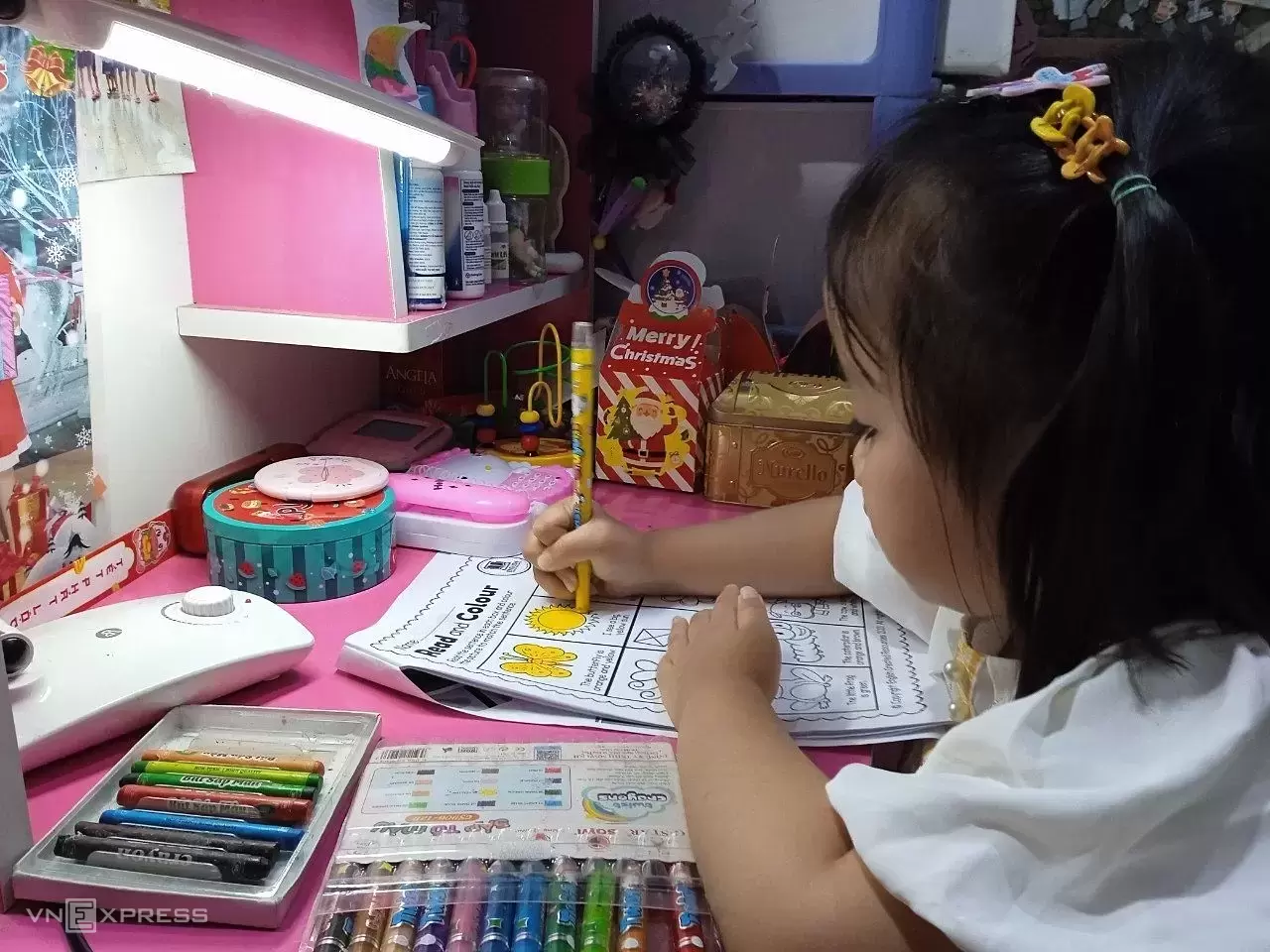 |
Intelligent children often learn quickly and remember for a long time. Illustration: Kim Uyen. |
**Sustained focus on interests**
A common trait of intelligent children is their intense focus on areas they love. From a young age, they may develop a special passion for a particular topic, such as the universe, animals, maps, painting, or letters. When interested, they readily dedicate significant time to learning, constantly asking questions to explore all facets of the subject.
**Preference for independent problem-solving**
Another sign of intelligent children is their preference for self-discovery over waiting for step-by-step adult guidance. When faced with a difficult problem or an unfamiliar toy, they often try various approaches to find a solution before asking for help. This trial-and-error process develops their reasoning and persistence. Parents should create opportunities for children to find solutions independently, offering support only when necessary. This self-directed problem-solving fosters independent thinking, boosts confidence, and builds resilience in facing challenges.
Le Nguyen (compiled)
| Readers can submit questions about childhood illnesses here for a doctor's response. |