Aspiration pneumonia often occurs when inhaled substances carry a significant amount of bacteria from the oral cavity or stomach. This is exacerbated by factors such as poor oral hygiene, a weakened immune system, advanced age, or severe underlying health conditions. In older adults or those with chronic lung disease, aspiration pneumonia can progress rapidly, leading to respiratory failure and requiring hospital treatment.
Many believe that consuming soft or liquid foods, such as porridge, soup, or noodle dishes, helps older adults avoid aspiration pneumonia because they are easy to swallow. However, this is not always true, especially for individuals with dysphagia—a condition characterized by difficulty swallowing and a tendency to choke while eating or drinking. For these individuals, thin liquids move quickly from the mouth to the throat, making them hard to control and increasing the risk of entering the airway and causing choking.
When choking occurs, patients typically cough after eating or drinking, which may be accompanied by fever, shortness of breath, chest pain, and fatigue. However, in some individuals, such as those who have had a stroke, suffer from Parkinson's disease, or have dementia, food or drink may enter the airway without causing a cough or other obvious symptoms. This "silent aspiration" makes it difficult for family members to detect, increasing the risk of aspiration pneumonia.
Furthermore, a long-term diet consisting solely of porridge and soup can lead to a lack of appetite and nutritional deficiencies.
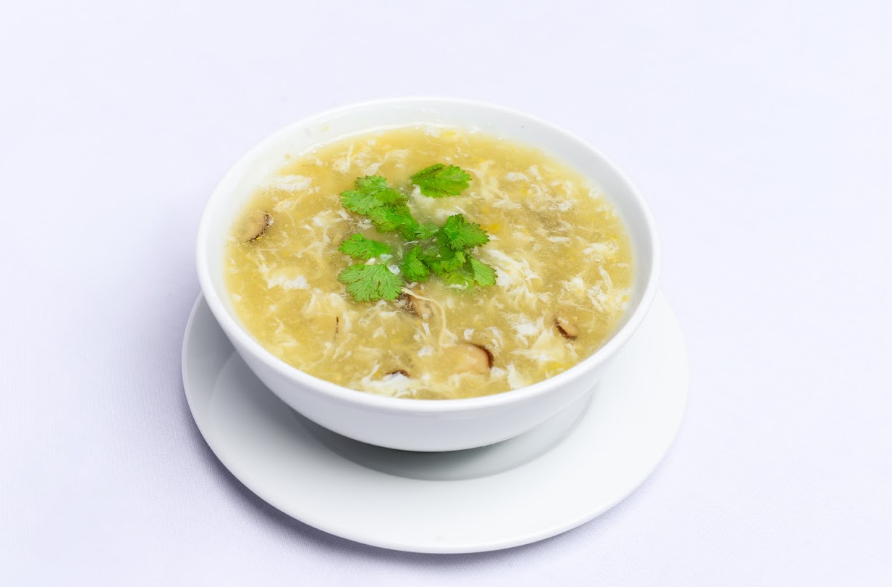 |
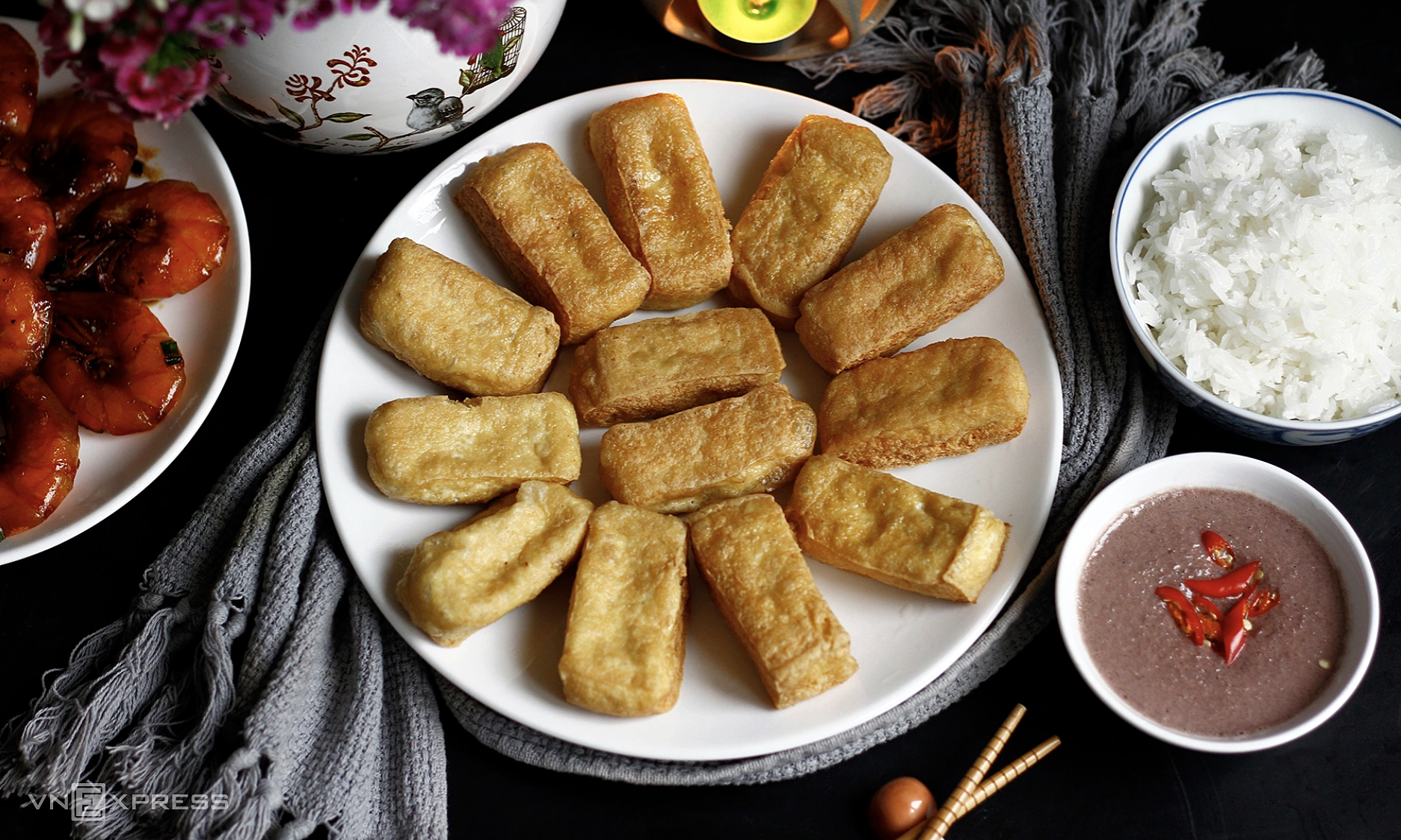
Consuming liquid foods can cause choking in individuals with impaired swallowing reflexes, leading to aspiration pneumonia. Photo: Khue Lam
If your father chews and swallows normally, he should maintain a diverse diet suitable for his health and chewing ability. Many individuals are advised to consume foods and drinks with appropriate thickness to slow down food movement, facilitating a safer swallowing reflex and reducing the risk of aspiration.
Frequent coughing or choking during eating or drinking in older adults may indicate dysphagia. This disorder is common among the elderly, particularly those with a history of stroke, Parkinson's disease, dementia, neuromuscular conditions, or general age-related weakness. It can also affect those with weak respiratory muscles or a history of prolonged intubation. When swallowing function is impaired, food, drink, or saliva can mistakenly enter the trachea and lungs instead of the esophagus.
Common symptoms of chewing and swallowing disorders include choking while eating or drinking, needing multiple swallows for one mouthful, a sensation of food getting stuck, voice changes, unexplained weight loss, or recurrent pneumonia. Patients should undergo an examination to assess swallowing function, determine the cause, and establish an appropriate diet.
Patients can have their swallowing function assessed at specialty departments such as otolaryngology (ENT), nutrition, or rehabilitation. Based on the assessment results, doctors will provide guidance on adjusting food thickness, eating speed, and recommend swallowing rehabilitation exercises when necessary.
To reduce the risk of aspiration pneumonia, older adults should sit upright while eating, take small bites, chew thoroughly, avoid talking during meals or lying down immediately after eating, and maintain good oral hygiene. If a persistent cough after eating, frequent choking, fever, or shortness of breath occurs, patients should seek medical attention.
Dr. Nguyen Quang Doi
Department of Respiratory, Tam Anh General Hospital Hanoi
| Readers can submit questions about respiratory diseases here for a doctor's response |