As people age, many notice an increase in their waistline despite little change in overall weight. This is a common change with aging, as muscle mass gradually decreases, leading to lower energy expenditure. Fat also tends to accumulate more in the abdominal area, but dietary adjustments can mitigate this.
Prioritize protein in meals
According to Eating Well, protein helps maintain muscle mass, promotes satiety, and prevents overeating. This allows the body to maintain good energy expenditure, contributing to weight management and reducing fat accumulation. Individuals should add protein from sources like fish, eggs, skinless poultry, lean meat, tofu, and nuts. Instead of concentrating a lot of protein into one meal, it is advisable to distribute it relatively evenly throughout the day to balance meals and ensure efficient protein absorption.
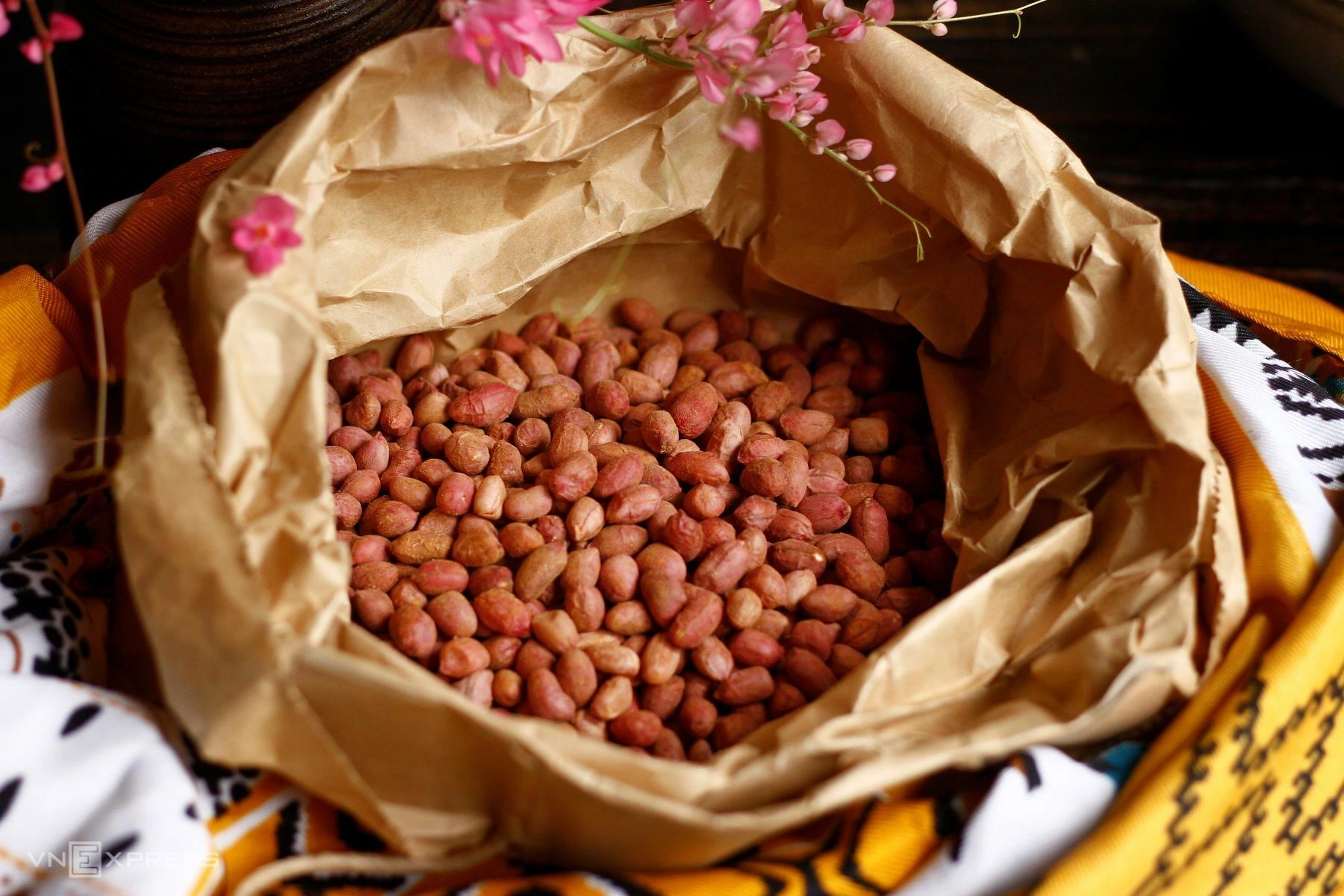 |
Peanuts are rich in healthy protein. Photo: Bui Thuy |
Choose quality carbohydrates
You do not necessarily need to eliminate carbohydrates to limit belly fat; selecting the appropriate type and portion is important. Brown rice, oats, potatoes, corn, and whole-wheat bread often provide more fiber compared to refined carbohydrates.
Individuals should regularly limit consumption of cakes, cookies, soft drinks, bubble tea, and dishes containing high amounts of added sugar. These foods provide a lot of energy but do not create a proportionate feeling of fullness.
Reduce fats from fried foods and processed meats
Belly fat is not only related to sugar and carbohydrates but is also influenced by total energy intake. Fried foods, fast food, processed meats, or high-fat foods can lead to meals containing excessive energy.
Individuals should replace deep-frying with steaming, boiling, grilling, or pan-frying using a moderate amount of oil. Fatty fish, avocado, olive oil, nuts, and seeds provide unsaturated fats that help balance the diet, according to Very Well Health.
Eat slowly to recognize fullness
The ability to recognize hunger and fullness can be affected by eating habits. Eating too quickly or being distracted during meals can easily lead a person to consume a lot of food before realizing they are full. Eating slowly, focusing on the meal, and stopping when sufficiently full helps control portions.
Limit sugary drinks and alcohol
Sugary drinks easily increase energy intake without providing a clear feeling of fullness. Water should be the primary choice throughout the day; tea or coffee can be consumed with little or no added sugar. Alcohol contains many calories but offers little nutritional value, and frequent consumption can contribute to fat accumulation, especially when combined with a diet rich in high-fat or sugary foods.
Le Nguyen (Compiled)
| Readers can ask nutrition questions here for doctors to answer |