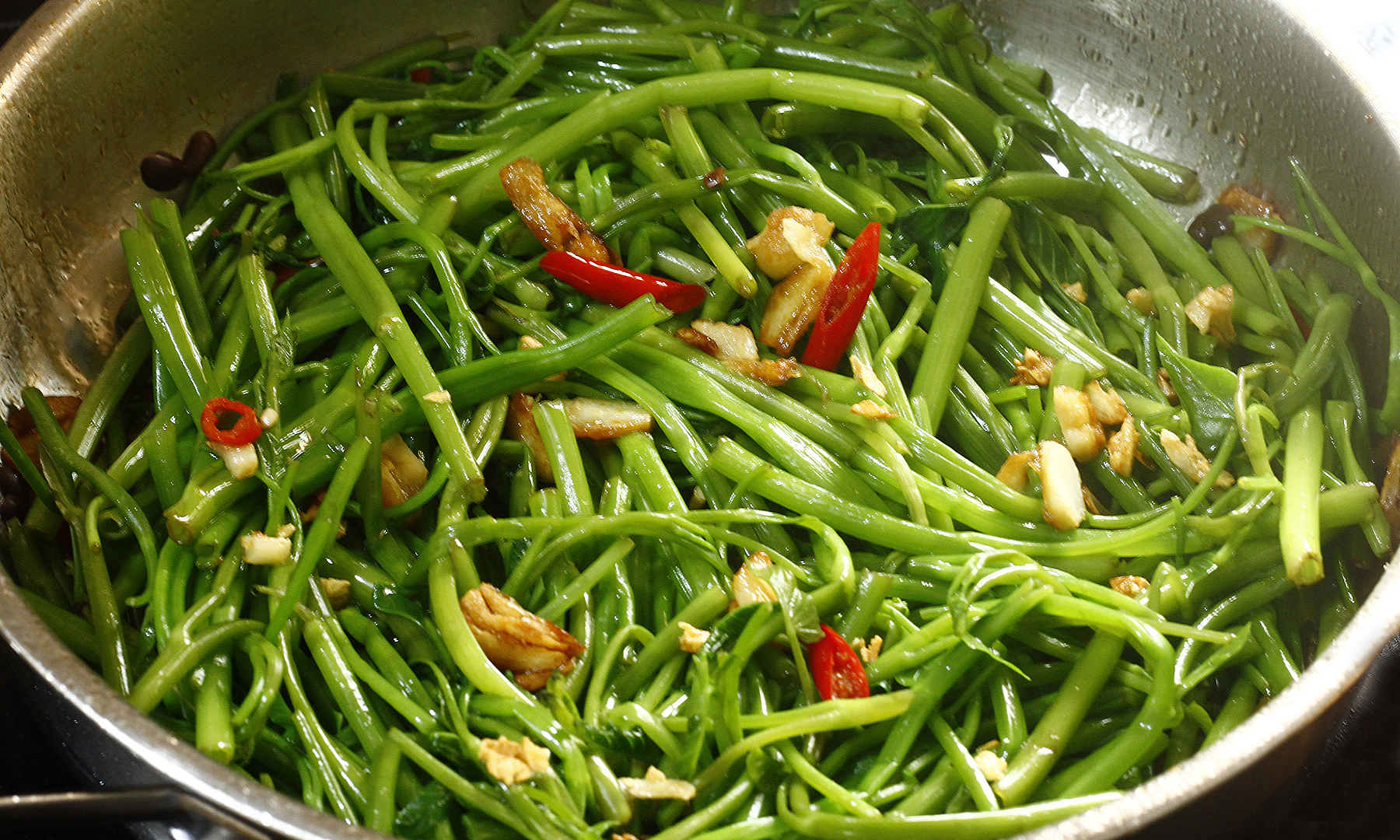
Taiwan currently has over 2 million people with chronic kidney disease, with 100,000 relying on dialysis for survival. Chiang Shou-shan, a nephrologist at Shin Kong Hospital, stated that because kidney damage often causes no pain, many unknowingly impair their kidney function. Some even experience acute kidney failure, requiring lifelong dialysis, due to excessive consumption of green vegetables, particularly those high in oxalic acid which can severely harm kidneys.
"Individuals with poor kidney function must pay special attention to their daily intake", the doctor warned.
Chiang noted that while high-fiber, low-fat diets are popular, oxalic acid levels in food can severely damage kidney function. Oxalic acid is primarily metabolized by the kidneys. Once in this organ, it can lead to various forms of damage, including calcium oxalate stone formation, and even cause acute and chronic kidney diseases.
According to Chiang, each vegetable contains varying levels of oxalic acid. Spinach, celery, purslane, red amaranth, and green amaranth have the highest content, posing a significant risk of kidney harm. Individuals with chronic kidney disease should be cautious when consuming these foods. As kidney disease often progresses silently, many are unaware they have it, so the doctor advises the public to be cautious and consume these vegetables in moderation.
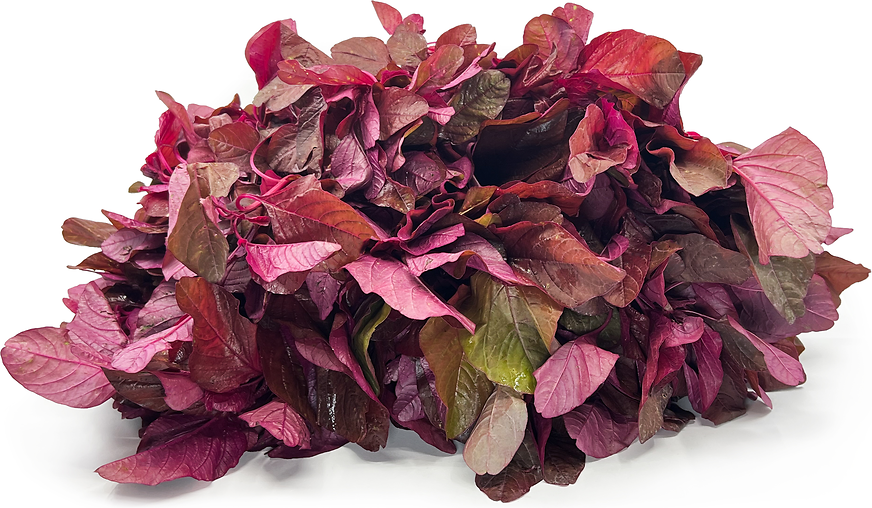 |
Red amaranth. Photo: Specialty Produce
The doctor added that kidney patients must be especially careful not to consume too much spinach and amaranth. Current studies indicate that ingesting 1,200 mg of oxalic acid in a single sitting can lead to acute kidney failure. This amount is equivalent to approximately 600 to 750 grams of spinach or amaranth. Doctor Chiang also noted that while blanching vegetables in boiling water can reduce oxalic acid content, the removal efficiency remains limited. Therefore, people need to pay attention to their daily intake to protect their excretory system health.
Binh Minh (According to SETN)