On 25/7, Tang Chi Thuong, Director of the Ho Chi Minh City Department of Health, stated that Phuoc Thang's distinct approach is not viewing universal health check-ups as solely a task for the health sector. Instead, the ward mobilized the entire political system, from ward and neighborhood leaders to mass organizations, to participate.
According to him, this method allowed the locality to reach more residents, promptly address emerging issues, and serve as a model for other areas to emulate, aligning with the spirit of each ward and commune being a "nucleus" of the universal health check-up program.
Specifically, instead of entrusting the medical station with organization, the ward created resident lists by age group and neighborhood, assigning responsibility to specific units and individuals. The locality also segregated groups who had already received check-ups from businesses or agencies to avoid omissions or duplicate examinations.
Ward leaders conduct weekly review meetings to monitor progress and immediately resolve issues from neighborhoods or resident feedback. Each neighborhood established a task force to directly oversee and encourage residents to participate. Additionally, the ward mandated that all cadres, civil servants, and Party members undergo check-ups first. The Department of Health assessed that cadres leading by example built trust and enhanced persuasiveness when mobilizing the community.
Public outreach also underwent changes. Instead of merely sending invitations, task forces visited homes to explain the program's purpose, the scope of the check-ups, and the benefits of electronic health records – medical records stored on computers that allow doctors to quickly access medical history. They also addressed residents' concerns.
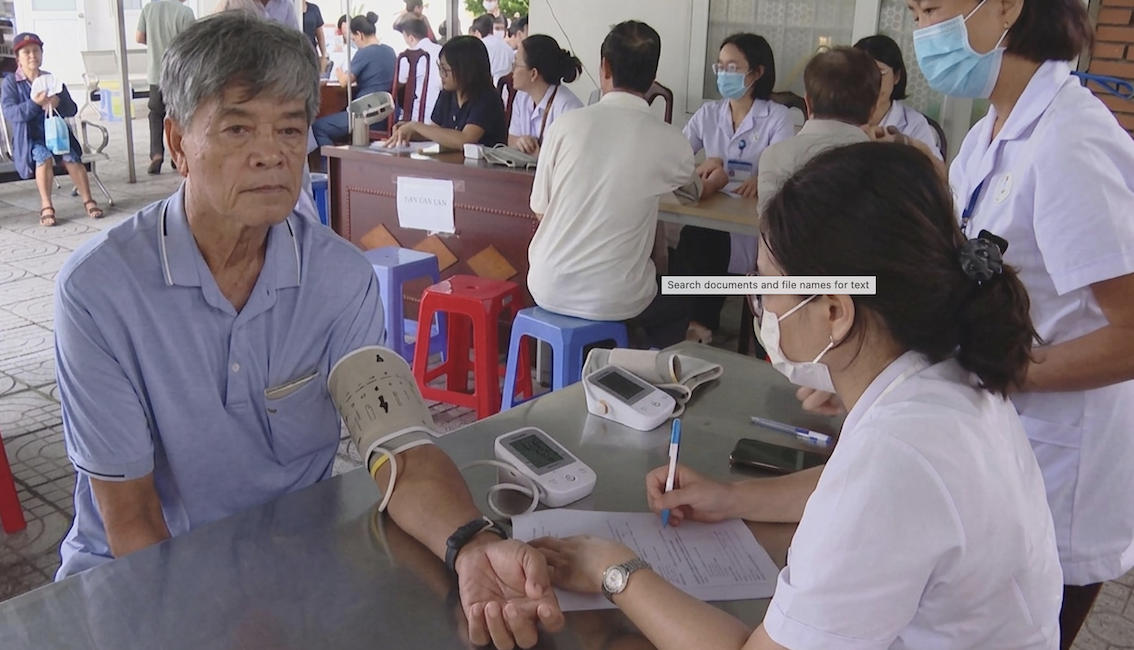 |
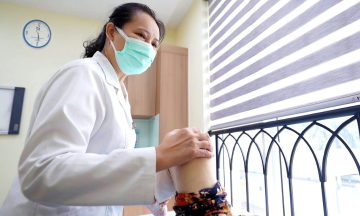
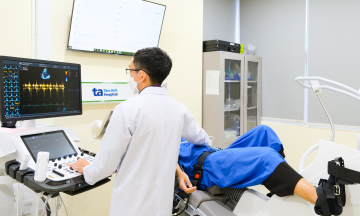
Phuoc Thang ward residents receive free health check-ups. Photo: Ho Chi Minh City Department of Health |
For convenience, the ward collaborated with various hospitals and clinics, organizing check-ups every day of the week and implementing mobile check-up campaigns for residents with mobility challenges. Reception and data entry processes were prepared in advance, and resident information was updated on the same day, minimizing backlogs and shortening examination times.
From this experience, Mr. Thuong concluded that when local authorities proactively coordinate, clearly assign responsibilities, and create conditions for residents to access services, participation rates in check-ups can increase rapidly.
Phuoc Thang ward was established following the 2025 administrative unit rearrangement, based on the merger of three former wards of TP Vung Tau: Phuoc Thang, ward 11, and ward 12. The locality has over 53,000 residents, is situated along the coast, and includes residential areas, a seaport, industrial zones, and a large population of workers.
TP HCM is currently implementing a free health check-up program and establishing electronic health records for all residents. The program is entering a peak phase with a 150-day emulation campaign, mobilizing localities to accelerate efforts to expand health check-up coverage, detect diseases early, and manage residents' health long-term. Healthcare workers visit the homes of the elderly, people with disabilities, those with chronic illnesses, and individuals with mobility difficulties to reach medical stations or hospitals.
Le Phuong