Doctor Do Van Kha, from the Cardiology Unit at Tam Anh District 7 General Clinic, states that women face a higher risk of cardiovascular diseases than men after menopause. This is due to anatomical, hormonal, and biological differences. Hormonally, estrogen helps maintain the elasticity and flexibility of blood vessel walls while controlling low-density lipoprotein (LDL) cholesterol. During menopause, declining estrogen levels lead to an increased risk of arterial stiffness and elevated bad cholesterol. Anatomically, women's coronary arteries, which supply blood to the heart, are smaller and more delicate, contributing to a higher risk of vascular diseases.
Women also have other biological factors that increase their risk of cardiovascular disease, including pregnancy-related conditions such as gestational diabetes and preeclampsia, and autoimmune diseases like lupus erythematosus and rheumatoid arthritis. Psychological factors and stress are also more prevalent in women, potentially leading to Takotsubo cardiomyopathy or accelerating atherosclerosis.
While some individuals with heart disease experience no clear symptoms, others exhibit signs such as:
Fatigue: A weakened heart reduces cardiac output, preventing organs from receiving enough blood and oxygen for normal function. This results in persistent tiredness. Fatigue intensifies as heart failure progresses to advanced stages, such as stage 3 or 4. This symptom becomes most noticeable during physical activity or exertion.
Dizziness: This indicates a potential risk of arrhythmia or heart failure, particularly when accompanied by other symptoms like excessive sweating, shortness of breath, or fainting.
Nausea: While nausea or vomiting often indicates a digestive issue, it can also signal heart disease. Patients may experience chest pain along with nausea, indigestion, or bloating.
Pain in the neck, jaw, or throat: Women should pay close attention to pain in these areas, as it can be a sign of a heart attack. If the pain recurs without a clear cause and its intensity increases, individuals should seek medical examination promptly.
Chest pain: This symptom is typical in both men and women. Patients often report discomfort, a dull ache, or a heavy sensation in the chest. A feeling of pressure in the chest may indicate coronary artery disease. In contrast, a heart attack is often signaled by severe, intense chest pain that increases in intensity and radiates to the shoulders and down both arms.
Upper abdominal or back pain: Do not disregard back pain or epigastric discomfort, whether at rest or during physical activity. These can be related to cardiovascular disease.
Shortness of breath or breathlessness: This is a common symptom for women with coronary artery disease, heart failure, or atrial fibrillation.
Palpitations: When the heart beats too quickly, patients may feel a pounding sensation, often hearing their heart thump. This symptom can indicate atrial fibrillation or a rapid arrhythmia.
Swollen legs: Leg swelling at certain times of the day can indicate heart disease due to fluid retention. Swelling in the face or heavy eyelids also signals heart failure.
Persistent cough: In heart failure patients, fluid and blood leakage into the interstitial tissue and alveoli causes prolonged coughing, particularly when lying down and at night.
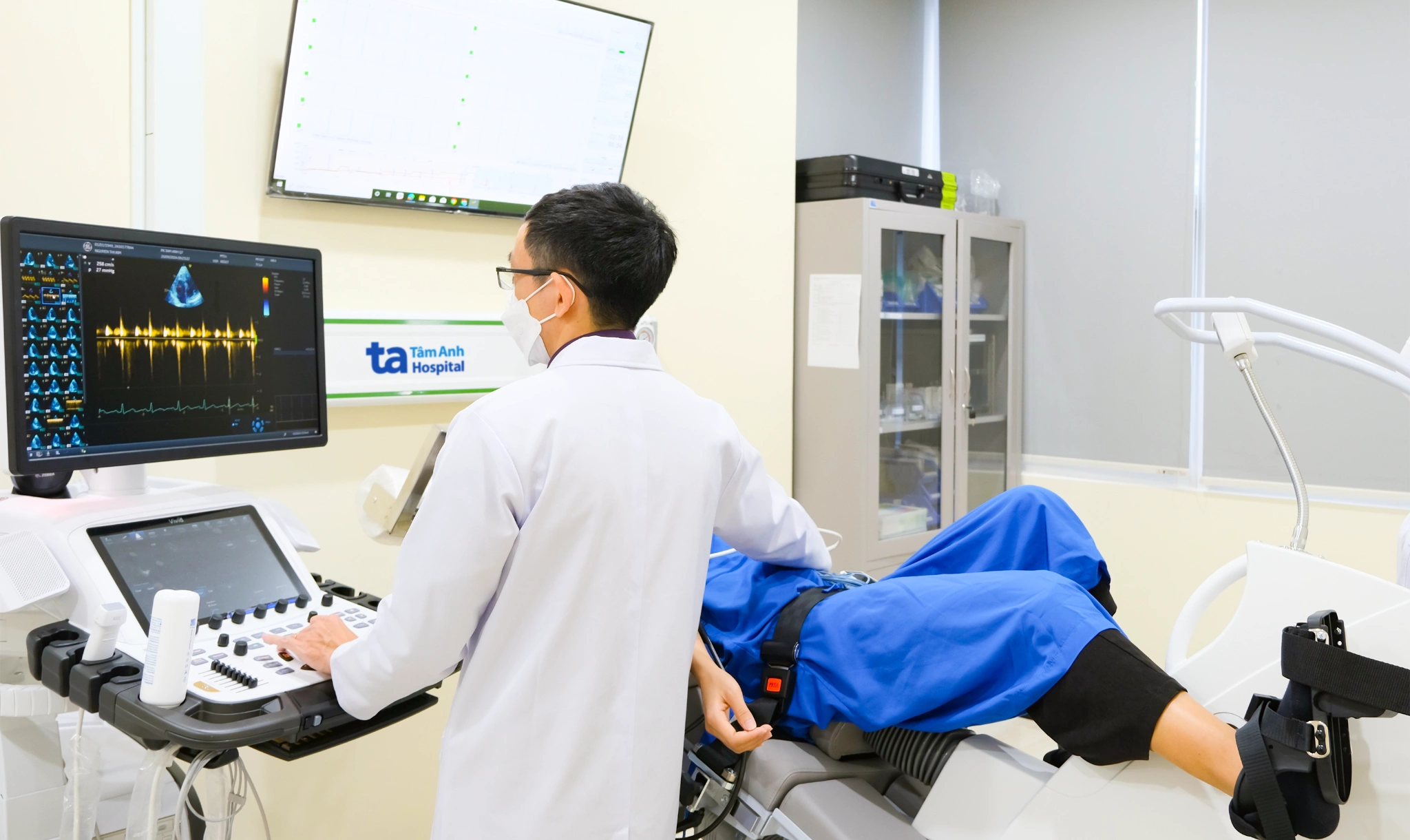 |
Patients undergo stress echocardiography to assess myocardial contractility during exercise, helping to determine appropriate exercise types and intensity. *Photo: Tam Anh General Hospital* |
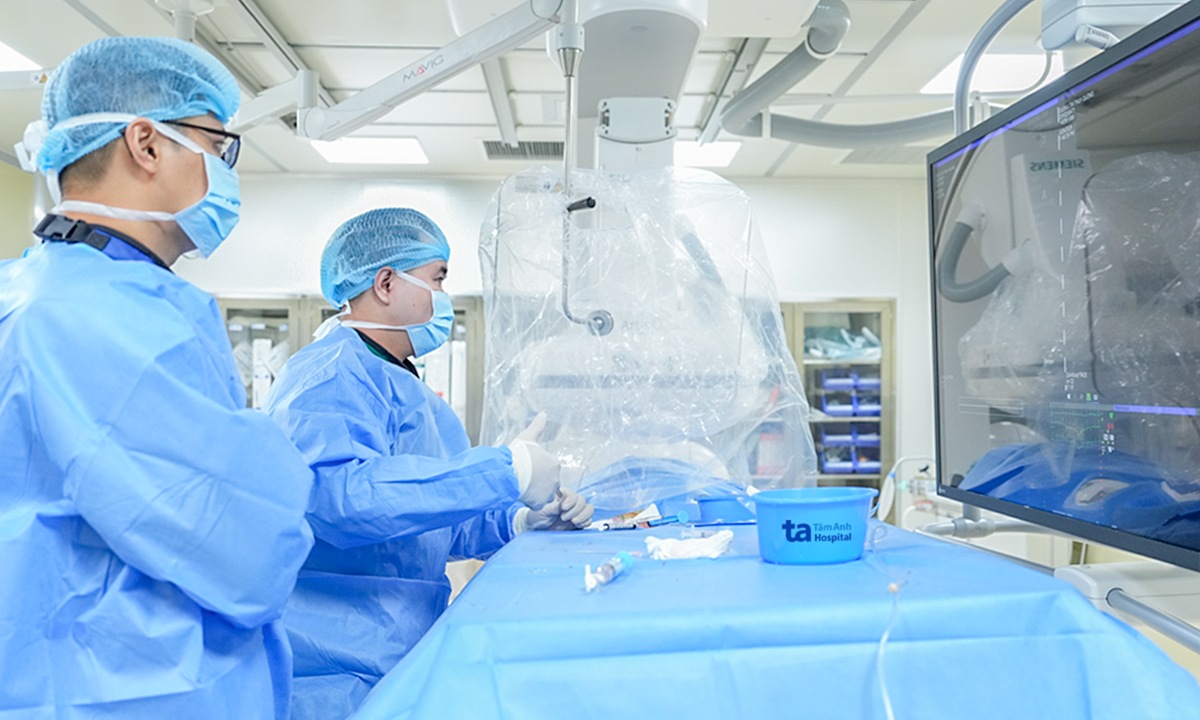
Doctor Kha recommends that women undergo regular health check-ups, especially those with high-risk factors such as: hypertension, diabetes, prolonged stress, smoking, physical inactivity, menopause, or a family history of early heart disease. Several methods help screen for and detect heart conditions, including: transthoracic echocardiography, transesophageal echocardiography, stress echocardiography, electrocardiogram, and coronary computed tomography angiography.
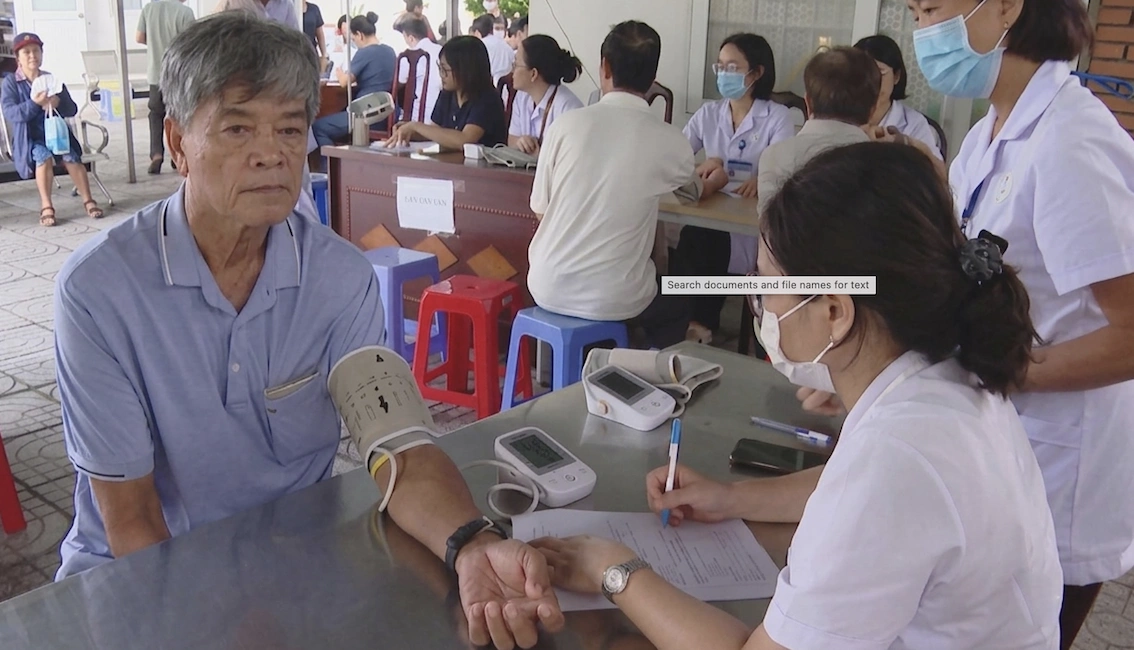
A healthy lifestyle significantly reduces the risk of heart disease in women. Women should regularly monitor their blood pressure, particularly during pregnancy, effectively manage diabetes, and balance work and rest to reduce stress. Additionally, they should ensure adequate sleep, maintain a body mass index (BMI) between 18,5 and 23, and exercise for at least 150 minutes each week.
Thu Ha
| Readers can submit questions about cardiovascular disease here for doctor's answers |