Black chicken and lotus seed porridge can boost immunity and aid recovery, but it is not a standalone solution for flu prevention. While nutrient-rich, daily consumption may lead to excessive nutrient intake and digestive issues. Effective flu prevention requires a comprehensive approach, including vaccination.
Black chicken (also known as black-boned chicken, medicinal chicken, five-toed chicken, or black-legged chicken) is considered sweet and neutral in traditional Eastern medicine. It supports liver and kidney function, improves blood circulation, and helps clear heat. Its meat is rich in essential amino acids like lysine, methionine, and histidine, which boost immunity and offer anti-aging benefits, making it a common ingredient in traditional remedies for women and children.
Lotus seeds are packed with vitamins and antioxidants, including flavonoids, glycosides, phenolics, and alkaloids. Studies show lotus seeds can aid digestion, promote cardiovascular health, lower blood sugar, offer a calming effect, and provide anti-aging, immune-boosting, and anti-inflammatory benefits.
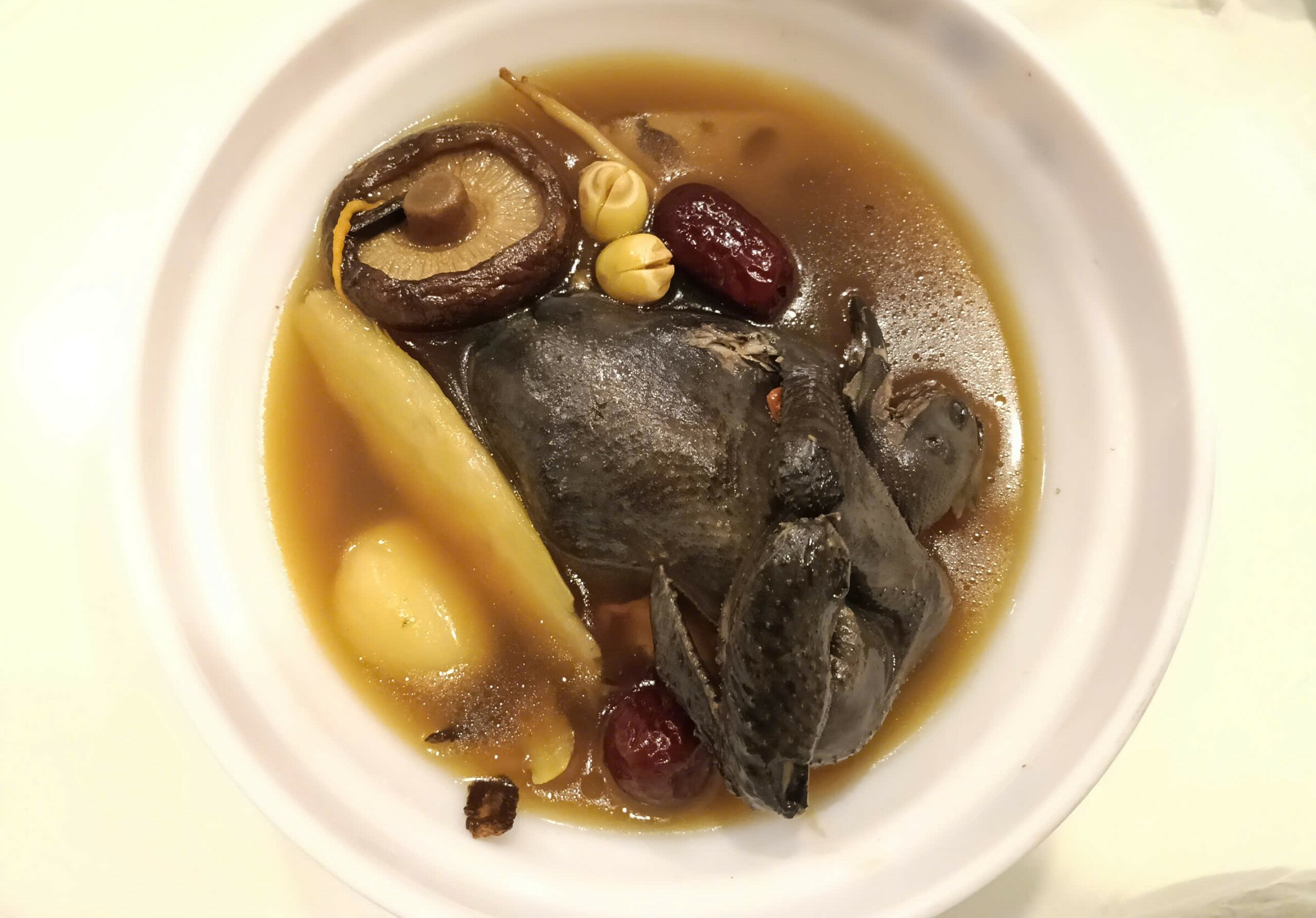 |
Black chicken and lotus seed porridge is highly nutritious, contributing to increased immunity and flu prevention during the cold season. Photo: Hoang Duong |
Black chicken and lotus seed porridge is highly nutritious, enhancing immunity and aiding rapid recovery for those recuperating from illness. It also boosts the body's ability to fight pathogens, including those causing the common cold. However, excessive consumption may lead to nutrient overload, indigestion, and fatigue. Individuals with underlying health issues like high blood pressure, kidney disease, or those with high fevers or acute infections should exercise caution when consuming it.
For effective flu prevention, beyond nutrition, it is crucial to stay warm, maintain a diverse diet, get adequate sleep, engage in regular physical activity, and get vaccinated. Currently, Vietnam provides flu vaccines that protect against 4 common virus strains: A/H3N2, A/H1N1, and two influenza B strains. These vaccines are available for children aged 6 months and older, as well as adults, with specific schedules varying by age and vaccination history. It is important to note that flu vaccines require annual boosters to ensure protection against the latest circulating strains and to maintain immunity, which naturally decreases over time.
Additionally, individuals should consider vaccinations for other respiratory diseases that are highly contagious during the cold season, including: pneumococcal disease, respiratory syncytial virus (RSV), measles, whooping cough, chickenpox, and meningococcal disease.
Dr. Nguyen Le Nga
Medical Manager, VNVC Vaccination System
Readers can ask vaccine-related questions for a doctor to answer here.