|
Apples
Apples contain pectin fiber, which helps reduce bad cholesterol levels in the blood. The flavonoids in apples have antioxidant and anti-inflammatory properties, protecting blood vessels from damage.
Eating apples daily can help protect against coronary heart disease by enhancing blood vessel function and preventing fat accumulation on artery walls. Enjoy apples as a snack or add them to salads.
 |
Watermelon
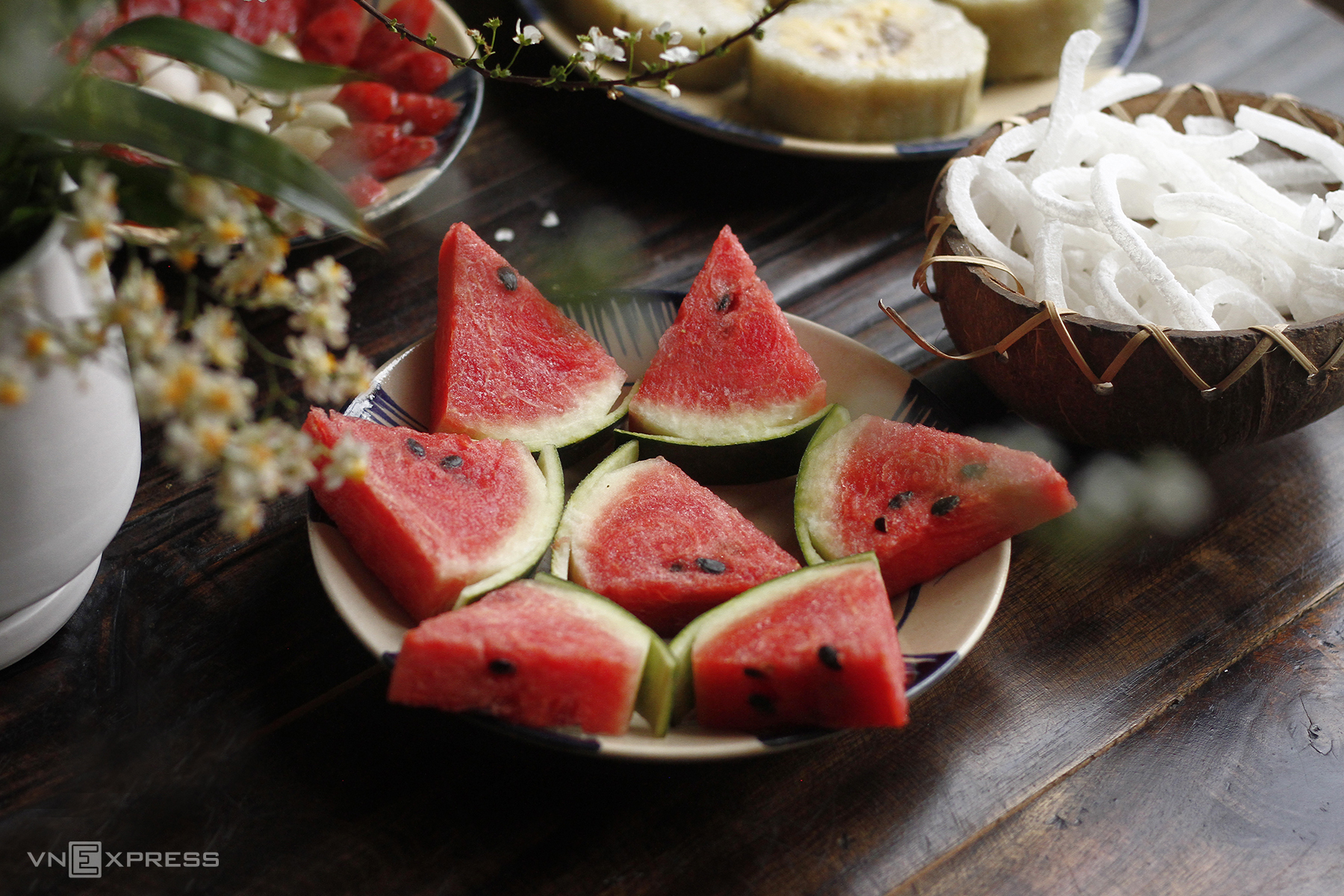
Watermelon provides hydration and is rich in nitrates. Citrulline in watermelon converts to nitric oxide, which relaxes blood vessels. This can improve blood pressure, a key risk factor for cardiovascular disease.
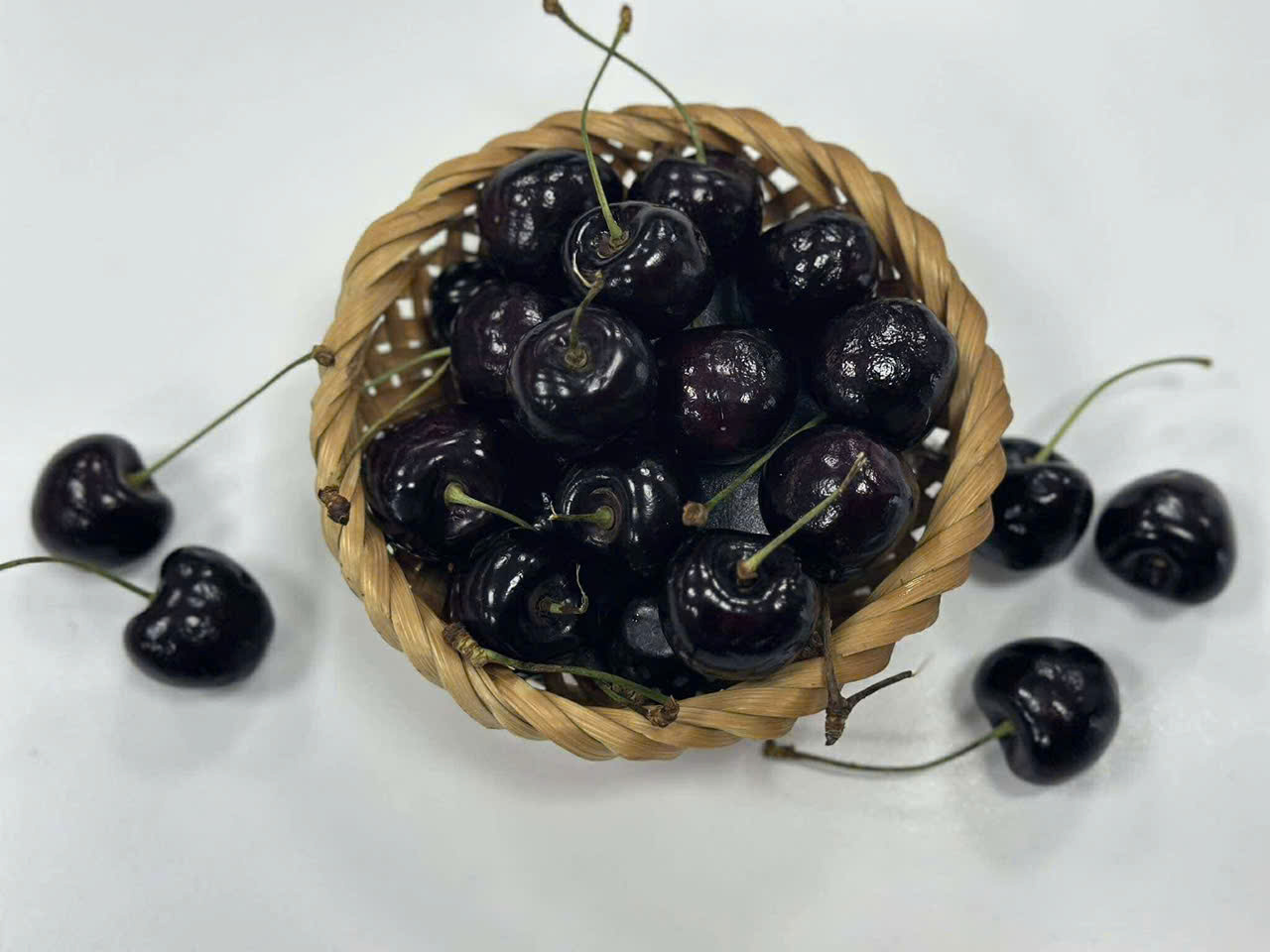 |
Berries
Berries are rich in antioxidants, especially anthocyanins, which give them their vibrant colors. These nutrients reduce oxidative stress and inflammation, important factors linked to cardiovascular disease.
Regular consumption of berries can improve cholesterol levels, support blood pressure stability, and lower inflammatory markers, thereby reducing the risk of heart attack and stroke. You can eat them fresh, blend them into smoothies, or enjoy them with oats.
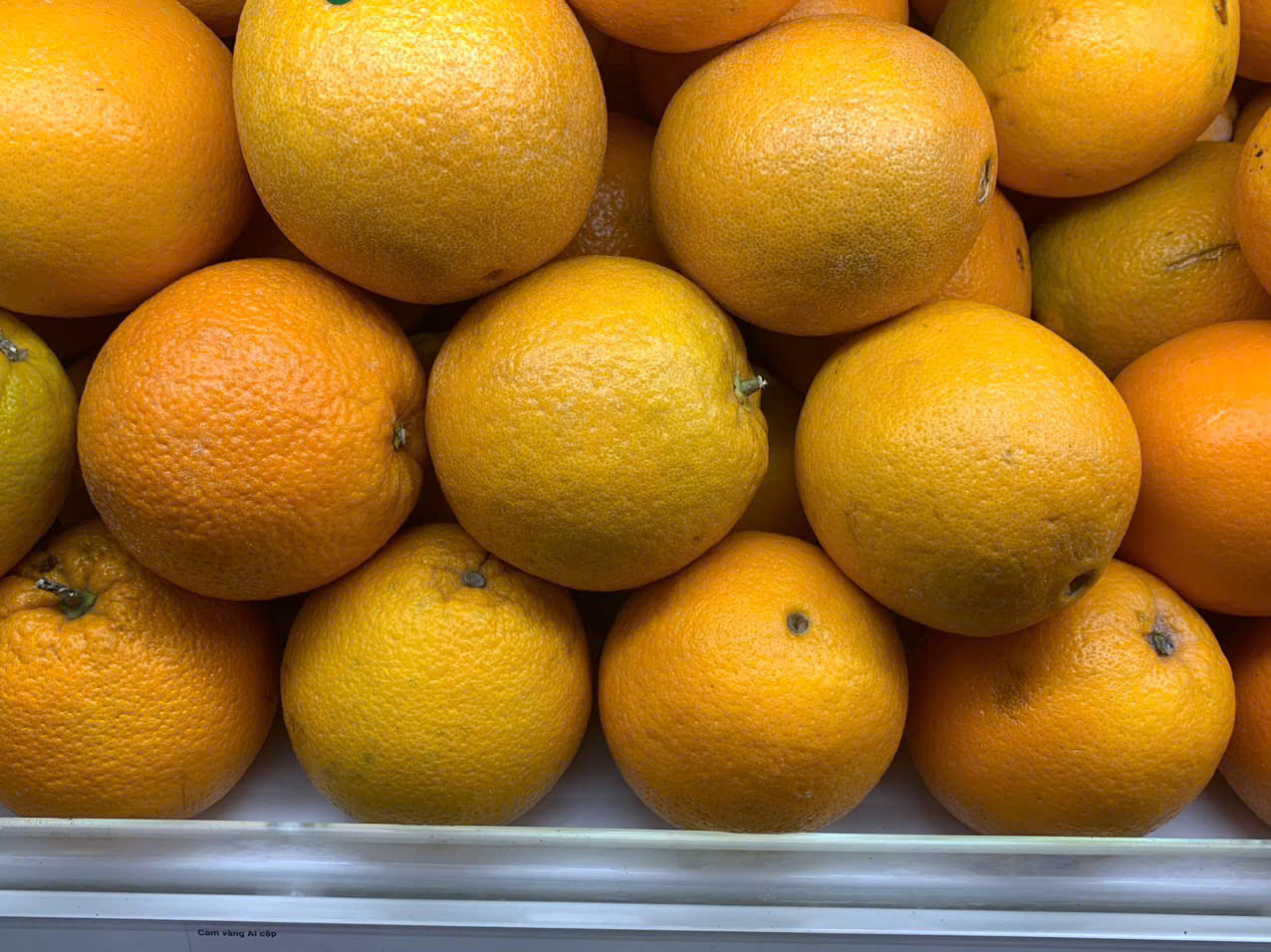 |
Citrus fruits
Citrus fruits are high in vitamin C, and also contain flavonoids and soluble fiber. This combination can help lower blood cholesterol, protect blood vessels, and boost heart health.
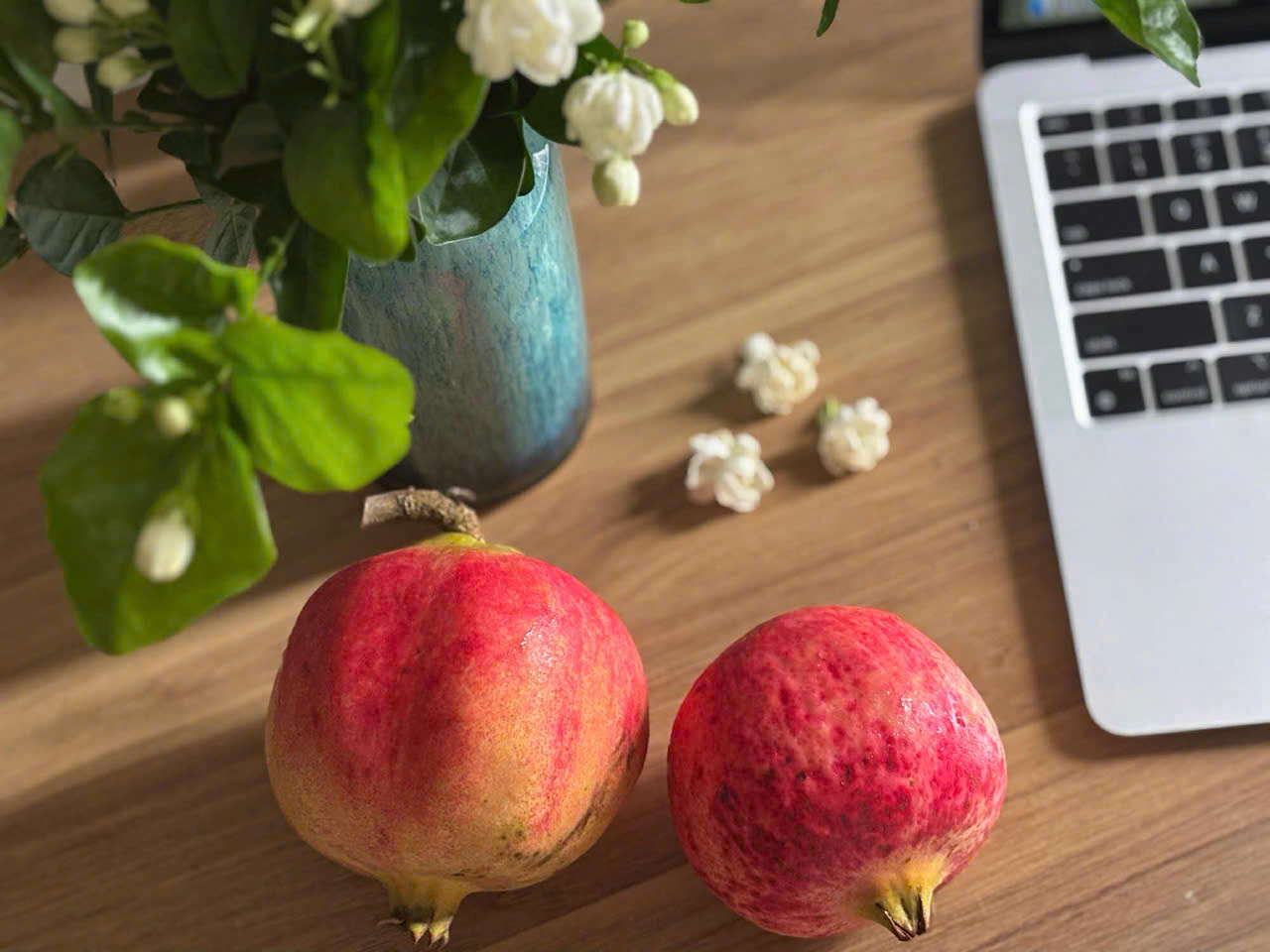 |
Pomegranate
Pomegranates contain many plant compounds, such as polyphenols, which have antioxidant and anti-inflammatory properties. These substances help protect blood vessel walls, support blood circulation, and enhance cardiovascular health.
Regularly drinking pomegranate juice can help stabilize blood pressure and reduce oxidative processes that damage blood vessels. Add pomegranate seeds to salads, yogurt, or eat them directly for added nutrition.
By Le Nguyen (According to Healthline, Times of India)
Photos: Bui Thuy, Bao Bao