Answer:
The urethra is the tube that carries urine from the bladder out of the body. Urethral cancer is rare but dangerous if not detected and treated early. Tumors tend to invade surrounding structures and metastasize, leading to severe complications such as urinary tract obstruction, hydronephrosis, recurrent infections, kidney failure, weight loss, fatigue, exhaustion, and death.
Discovering the disease early is a significant advantage, making the treatment process gentler, reducing complications, and increasing the chance of long-term survival. At this stage, the tumor is localized within the urethra, has not deeply invaded, and has not metastasized, so the likelihood of complete treatment and cure is quite high. Most patients can be treated with conservative surgery, removing only the necessary lesions, which helps maintain urinary function and quality of life.
 |
Specialist Doctor Grade II Nguyen Thi Hong Oanh examines a patient. Illustration: Tam Anh General Hospital |
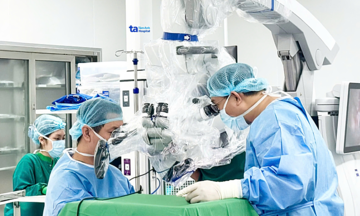
Some cases involve malignant tumors that invade deeply into the underlying tissue and surrounding areas, requiring extensive surgery to remove the entire bladder, urethra, uterus, both ovaries and fallopian tubes, and rectum, along with lymph node dissection, radiation therapy, or adjuvant chemotherapy to reduce the risk of recurrence. This depends on the tumor's location and the patient's overall health, determining if they can undergo a major operation.
The 5-year survival rate after being diagnosed with early-stage urethral cancer and undergoing radical surgery can be up to 90%. A patient's recovery after developing cancer depends on their overall health, tumor size, and disease stage.
Early-stage urethral cancer rarely causes symptoms. If women notice a lump or mass in the genital area, or experience abnormal bleeding or discharge from the urethra, they should go to the hospital for a thorough examination to ensure timely detection and effective treatment. It is recommended to eat a healthy diet including plenty of fresh fruits and vegetables, exercise regularly, maintain a healthy weight, avoid alcohol, and practice safe sex by using condoms and keeping the genital area clean.
Specialist Doctor Grade II Nguyen Thi Hong Oanh
Female Urology Unit
Center for Urology - Nephrology - Andrology
Tam Anh General Hospital, Ho Chi Minh City
| Readers can ask questions about kidney disease here for doctors to answer |