Blood pressure fluctuates throughout the day, typically rising in the hours after waking—a phenomenon known as morning hypertension. This surge is linked to sympathetic nervous system activity and hormones that shift the body from rest to alertness. Incorporating simple morning habits can effectively manage blood pressure.
practice slow, deep breathing for a few minutes
Immediately after waking, a few minutes of slow, deep breathing can induce relaxation, decrease sympathetic nervous system activity, and support blood pressure regulation.
A 2026 meta-analysis by a research group from Soochow University and The Second Affiliated Hospital of Soochow University in China, involving 13 randomized trials with approximately 1,090 hypertensive individuals, found that slow breathing reduced systolic blood pressure by an average of 7,7 mmHg and diastolic blood pressure by 4 mmHg compared to control groups. This method is a supportive measure and should not replace medication or other hypertension treatments.
To practice, sit or lie comfortably, inhale slowly through the nose, then exhale gradually, maintaining a breathing rate under 10 breaths per minute for several minutes. Avoid forcing deep breaths or holding your breath, as this can cause discomfort or dizziness.
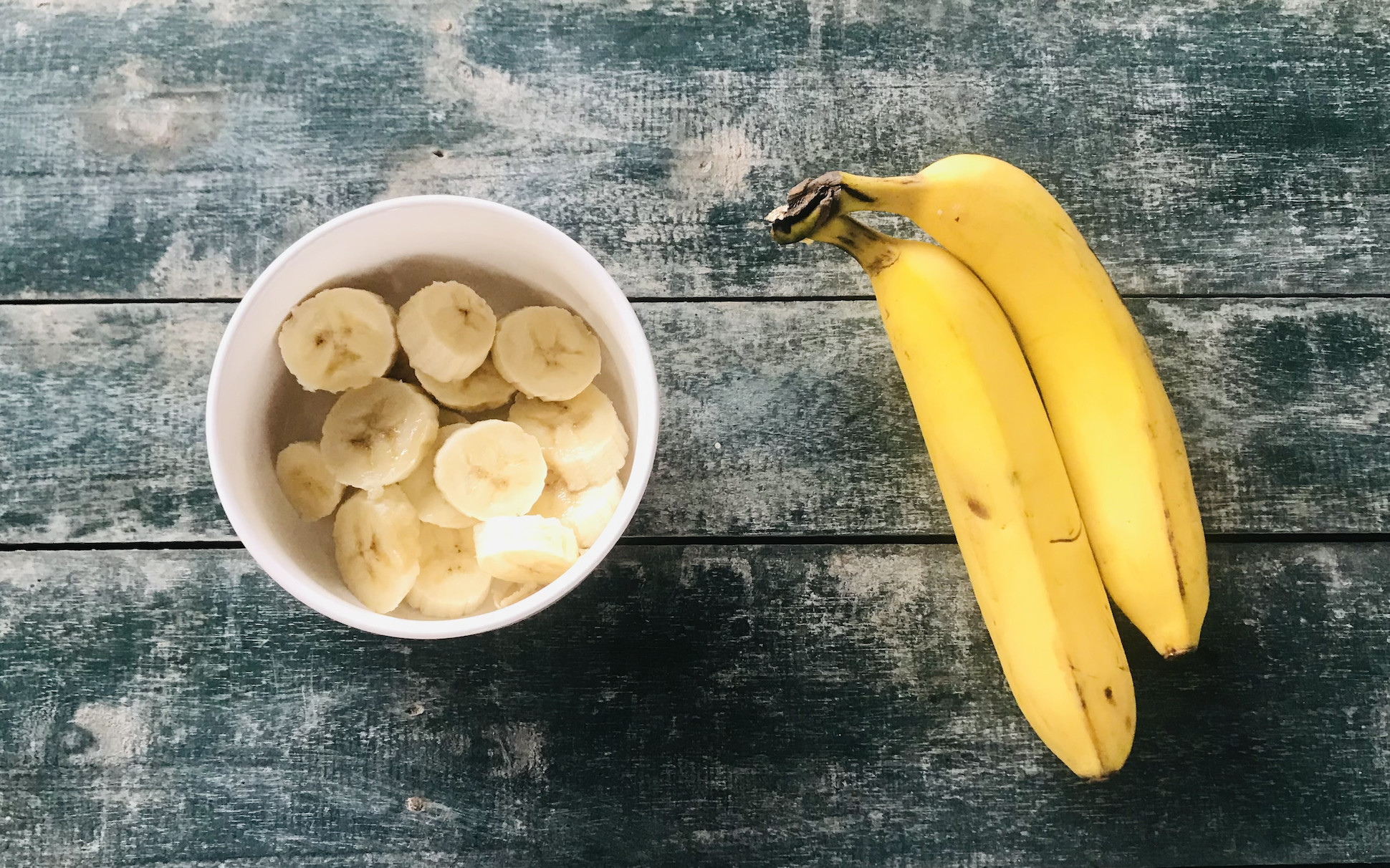 |
Bananas, rich in potassium, help lower blood pressure. Photo: Bao Bao
eat a low-sodium, potassium-rich breakfast
Starting the day with a low-sodium, potassium-rich breakfast can aid blood pressure control. According to Health, sodium increases blood volume, raising pressure on blood vessels, while potassium helps kidneys excrete sodium and promotes blood vessel relaxation. Potassium-rich foods include: bananas, oranges, spinach, potatoes, beans, yogurt, and whole grains. However, individuals with chronic kidney disease may need to restrict potassium intake and should consult a doctor before increasing this mineral.
engage in light yoga
Strenuous morning exercise is not necessary. Gentle walking, stretching, or a few appropriate yoga poses can help relax the body and support blood pressure control. Sedentary individuals should gradually increase intensity.
Light physical activity can stimulate nitric oxide production, enhance endothelial function, and promote blood vessel dilation. Yoga, in particular, supports blood pressure management by relaxing the nervous system and reducing stress, making it a suitable addition to a morning routine.
Individuals with hypertension should, in addition to these measures, adhere to prescribed medication, maintain a balanced diet, engage in regular physical activity, and monitor their blood pressure consistently. If blood pressure becomes extremely high, accompanied by chest pain, shortness of breath, severe headache, weakness, difficulty speaking, or sudden blurred vision, seek emergency medical attention immediately rather than attempting to lower blood pressure with home remedies.
Bao Bao (compiled)