Here are suggestions for utilizing ingredients often overlooked in the kitchen.
Vegetable broth
Many people often discard vegetable broth, believing that the vegetables have "lost all their nutrients" or fearing a pungent smell. In reality, during boiling, compounds like natural sugars and some vitamins (B, C) dissolve into the water, creating a subtle sweetness.
This provides an ideal flavor base for cooking egg soups, minced meat soups, or for use as a stock in stir-fries, adding a deep sweetness to dishes without needing much monosodium glutamate.
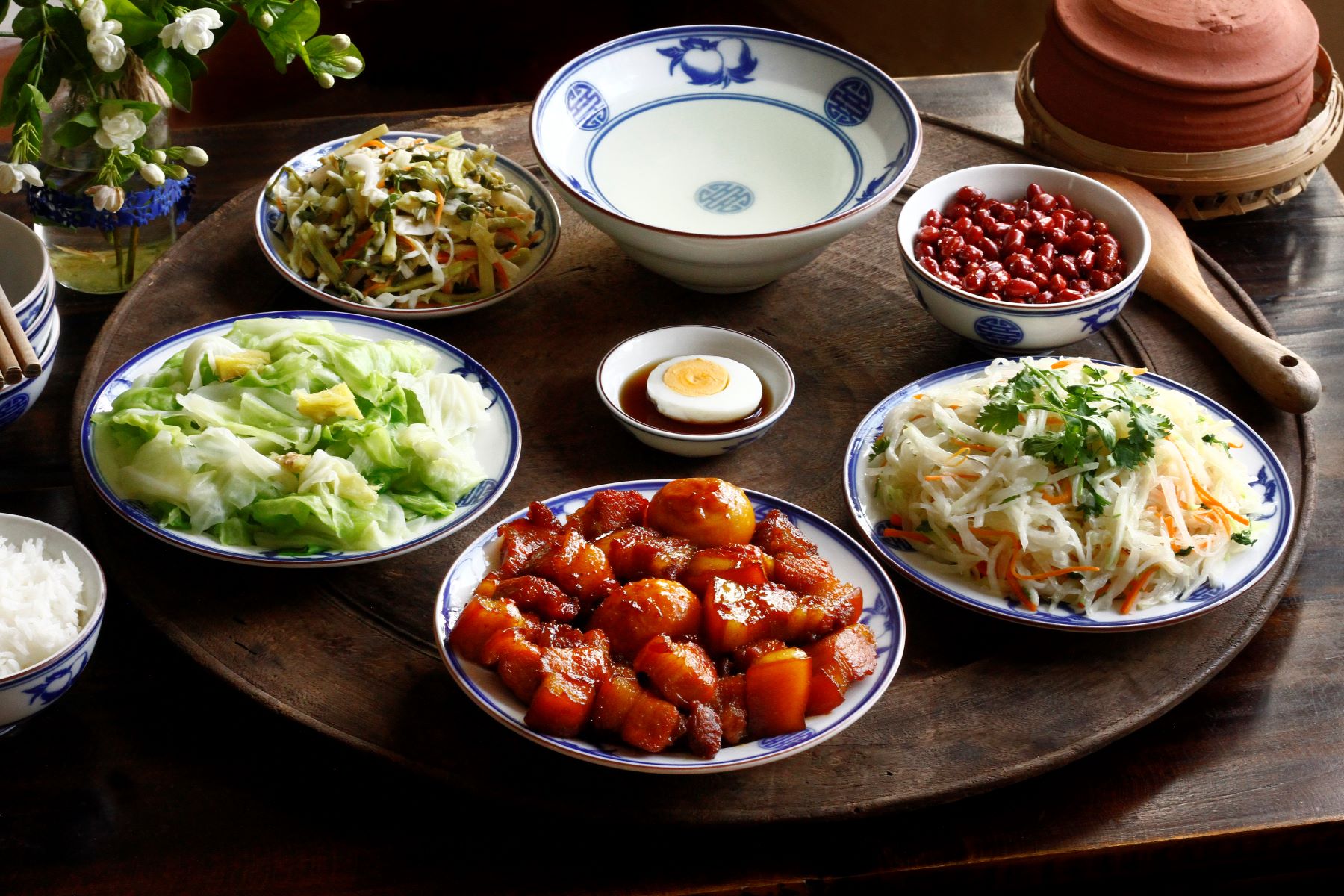 |
Cabbage broth used for soup. *Bui Thuy* |
Meat broth
Except for the first boil (which often contains many impurities and scum that should be discarded), the second boil of pork or chicken contains numerous nutrients like protein and soluble fats.
After skimming off the foam, you should retain this liquid to cook vegetable soups, porridge, or use as a broth for vermicelli dishes. The savory sweetness from animal protein in the broth will make soups naturally richer than using plain water and seasoning powder.
Leftover marinade
The liquid released after marinating meat or fish is the most concentrated part of the flavor but is often discarded due to concerns about saltiness or fishiness.
To utilize it, add the marinade liquid to the pot at the initial stage of braised or stewed dishes to develop color and flavor. If you intend to use it as a dipping sauce or drizzle it over cooked food, you must boil this marinade thoroughly to eliminate bacteria from raw ingredients. This method ensures the dish is evenly seasoned, preventing it from being "salty on the outside, bland on the inside."
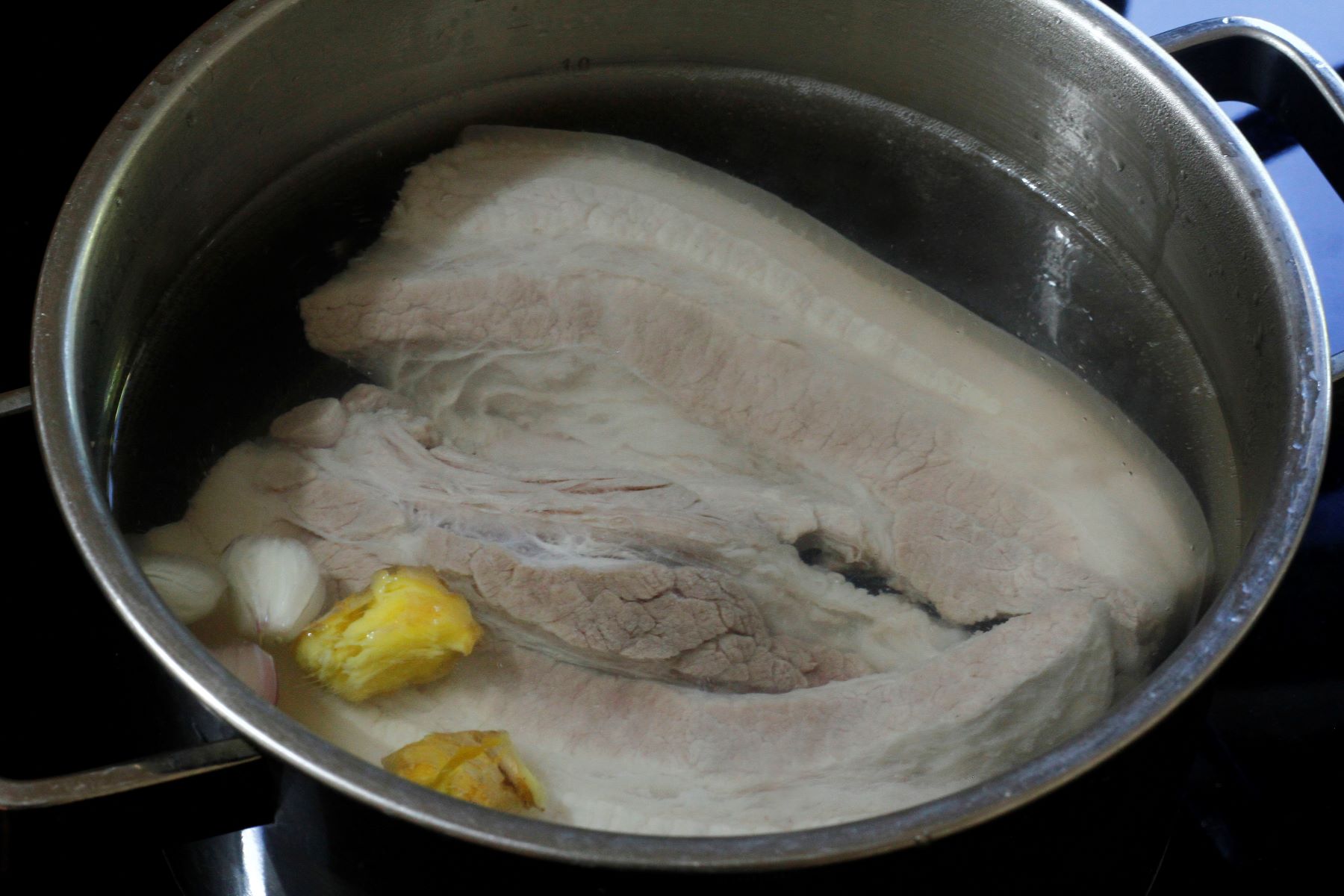 |
Homemakers can use meat broth to cook vegetable soups, porridge, or as a base for vermicelli dishes. *Bui Thuy* |
Rendered fat and oil
In braised or stewed dishes, the layer of fat that rises to the surface is often skimmed off due to concerns about greasiness. However, in cuisine, fat is the best flavor carrier.
A thin layer of fat on the surface of pho broth or braised fish in a clay pot not only helps retain heat longer but also traps volatile aromas. Instead of completely removing it, keep an adequate amount to give the dish a glossy appearance, tender texture, and distinctive aroma.
Bui Thuy