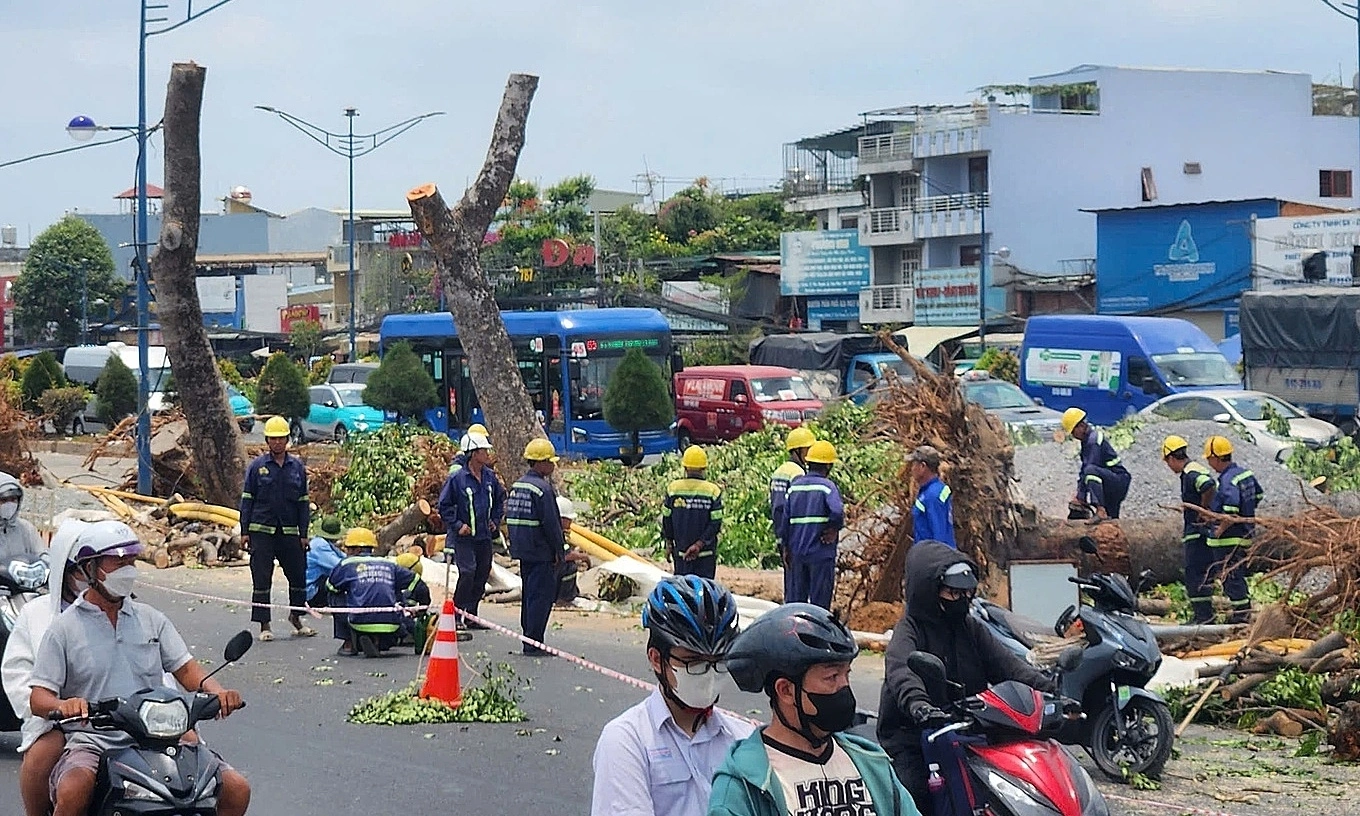
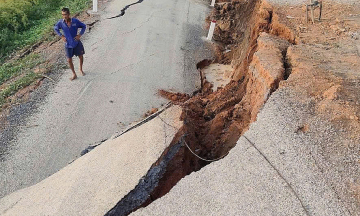
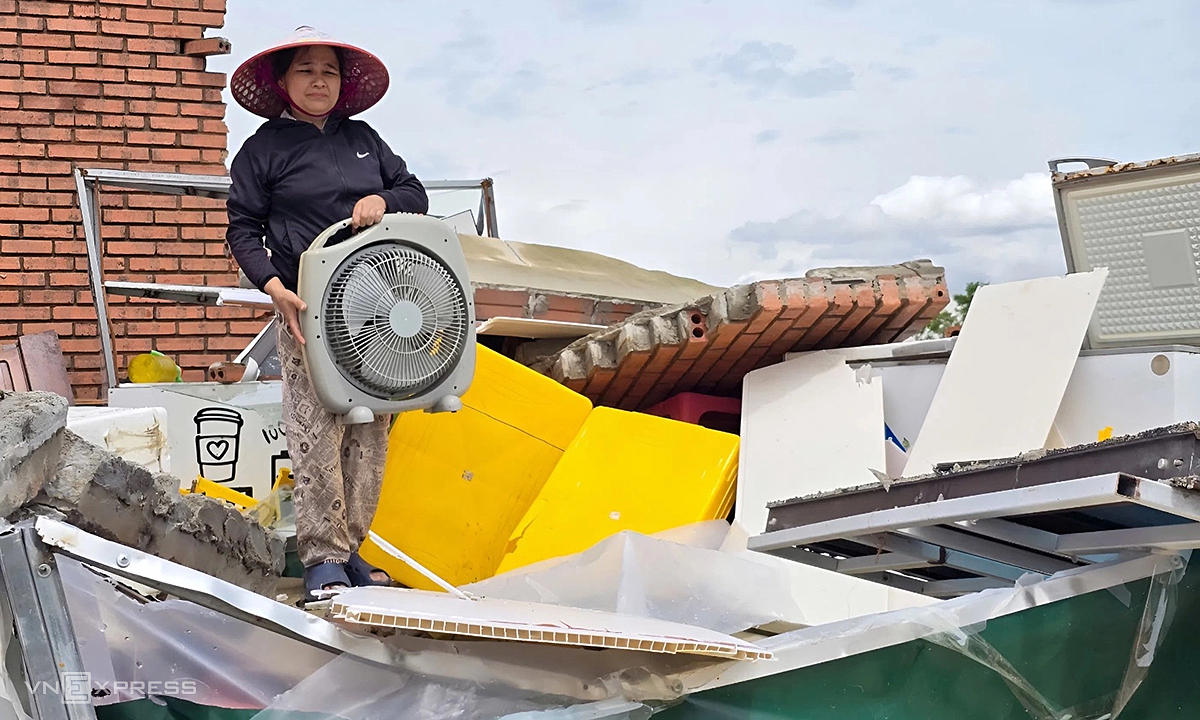
On 9/4, the Da Nang People's Committee announced the approval of Decision 1325, endorsing a livelihood program for the 2026-2030 period. This initiative targets residents in hydropower reservoir areas, particularly mountainous and ethnic minority communities, aiming to create jobs, enhance production skills, and foster environmental protection awareness. The program's launch follows a period of significant hardship for Da Nang's mountainous regions, which experienced severe damage from historic floods in October and November 2025. These events devastated transportation infrastructure and crops in highland and downstream communes.
During the 2025 floods, hydropower plants in the Vu Gia - Thu Bon river basin implemented inter-reservoir operation procedures to mitigate flooding in downstream areas. While these operations were credited with reducing flood peaks, the subsequent water regulation and geological shifts directly impacted the agricultural land available to residents in the reservoir regions. This underscores the urgent need for sustainable livelihood solutions. The city plans to provide technical training and business planning guidance to 100% of beneficiary households.
The program focuses on developing three primary economic sectors: aquaculture, agro-forestry, and eco-tourism. For aquaculture, authorities will supply fingerlings and offer training in cage fish farming, encouraging businesses to form value chain linkages for product consumption. In forestry, the city prioritizes assigning forest protection contracts to resettled households, supporting the cultivation of medicinal plants under forest canopies, and promoting the conversion to large timber forests.
Da Nang also plans to leverage the scenic reservoir landscape to develop eco-tourism. This includes offering tours such as kayaking, fishing, and culinary experiences. Local residents will receive professional training to directly participate in providing these tourism services.
 |
A hydropower plant operating in Da Nang. Photo: Thieu Huynh |
Funding for the program will primarily be mobilized from the welfare funds and business operations of hydropower units. Dam and reservoir owners are responsible for coordinating with local authorities to provide support tailored to actual needs. Tax agencies will guide businesses on accounting for these expenses and propose tax exemption or reduction policies to encourage broader social investment.
Nguyen Dong