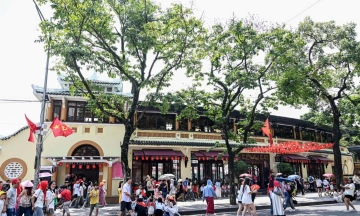
According to the newly adopted Resolution on Vietnamese Cultural Development, on november 24, citizens will be eligible for full or partial exemptions from entrance fees at public cultural and sports facilities, as determined by competent state agencies. The state encourages the public, particularly youth and children, to participate in cultural activities during significant national holidays and events.
November 24 was chosen to commemorate the First National Culture Conference in 1946, presided over by President Ho Chi Minh. The resolution is set to take effect from 1/7/2026.
The government has announced that agencies are currently researching the addition of a draft law to amend and supplement several articles of four laws pertaining to internal affairs into the 2026 legislative program of the 16th National Assembly. This includes content to revise the Labor Code, stipulating that november 24 will be a paid day off for employees. This draft law is expected to be approved during the second session of the 16th National Assembly.
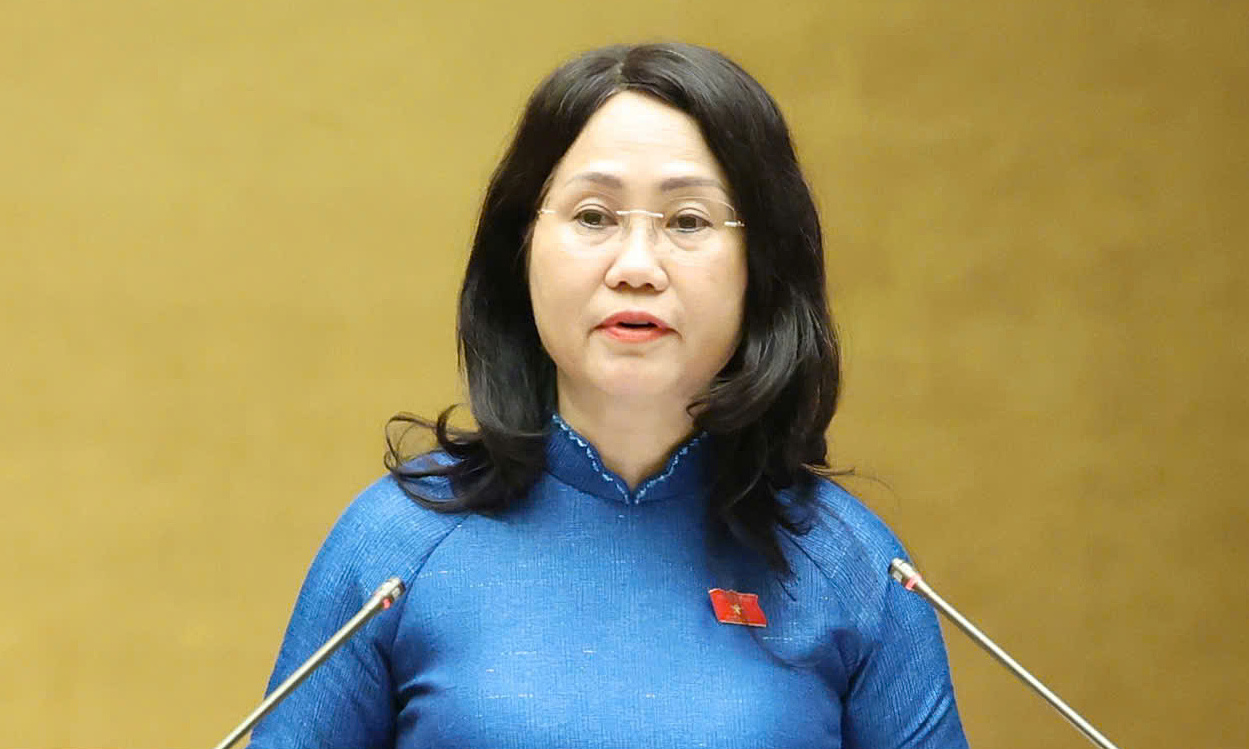 |
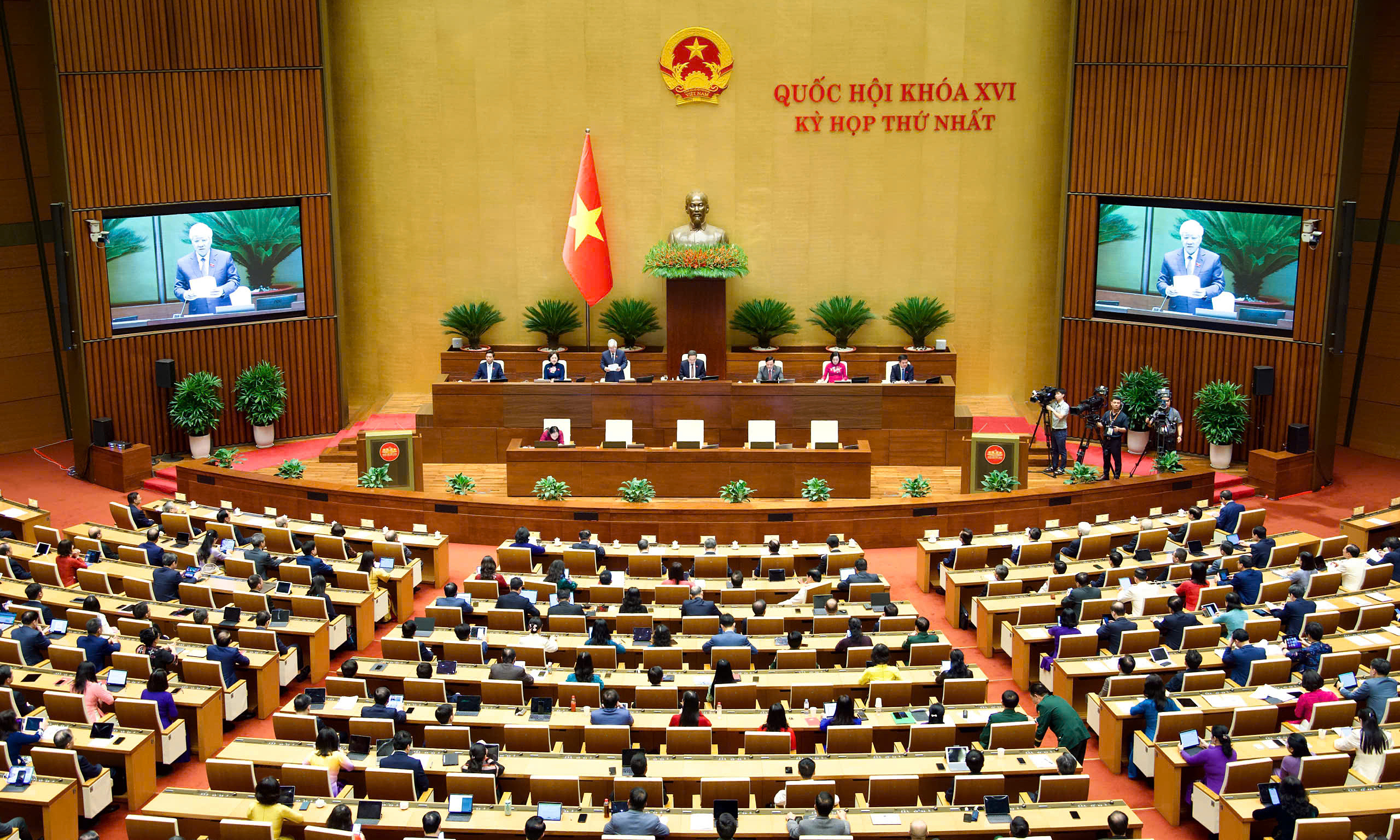
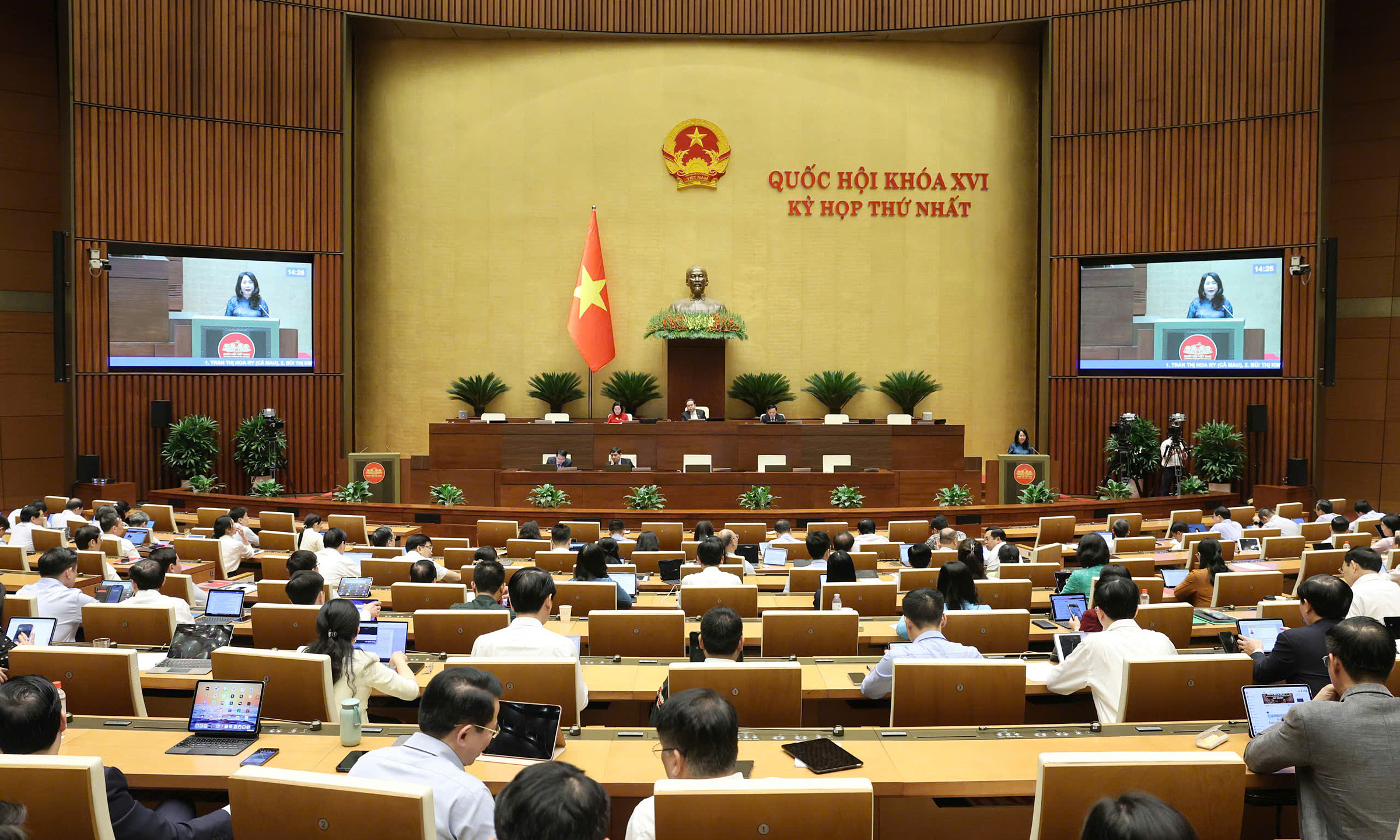
Minister of Culture, Sports and Tourism Lam Thi Phuong Thanh reported on the reception and explanation before the National Assembly's approval. Photo: Hoang Phong |
Minister of Culture, Sports and Tourism Lam Thi Phuong Thanh reported on the reception and explanation before the National Assembly's approval. Photo: Hoang Phong
Minimum 2% of budget allocated to culture
The resolution mandates that the state ensure an annual cultural expenditure of at least 2% of the total state budget, with gradual increases as development demands. Concurrently, the state promotes the mobilization of social resources and the formation of cultural creative industry clusters and zones. This aims to link creative spaces with research, experimentation, production, distribution, and commercialization of cultural products and services.
For the first time, the concepts of "cultural creative industry clusters, zones" and "cultural creative complexes" have been legalized. This aims to connect creative spaces with innovative business models. Accompanying these are tax incentive policies: cultural enterprises will receive a two-year income tax exemption, followed by a 50% reduction for the subsequent four years. Experts and scientists in the sector will enjoy similar benefits for their salary income. A 5% value-added tax will apply to film production, performing arts, and sports for people with disabilities.
New policies for individuals include allowing special recruitment without competitive examination for artists and athletes with exceptional achievements or national and international awards. Public employees in traditional performing arts and circus fields will receive a preferential professional allowance ranging from 40% to 60%.
Additionally, the resolution promotes digital transformation through piloting "mobile theaters" and "digital libraries" models. It also establishes a Culture and Arts Fund based on a public-private partnership venture capital model. Notably, a policy granting 100% exemption from import tax and customs fees for national treasures and rare antiquities brought back to Vietnam for non-profit purposes aims to serve the preservation of national heritage.
Son Ha