 |
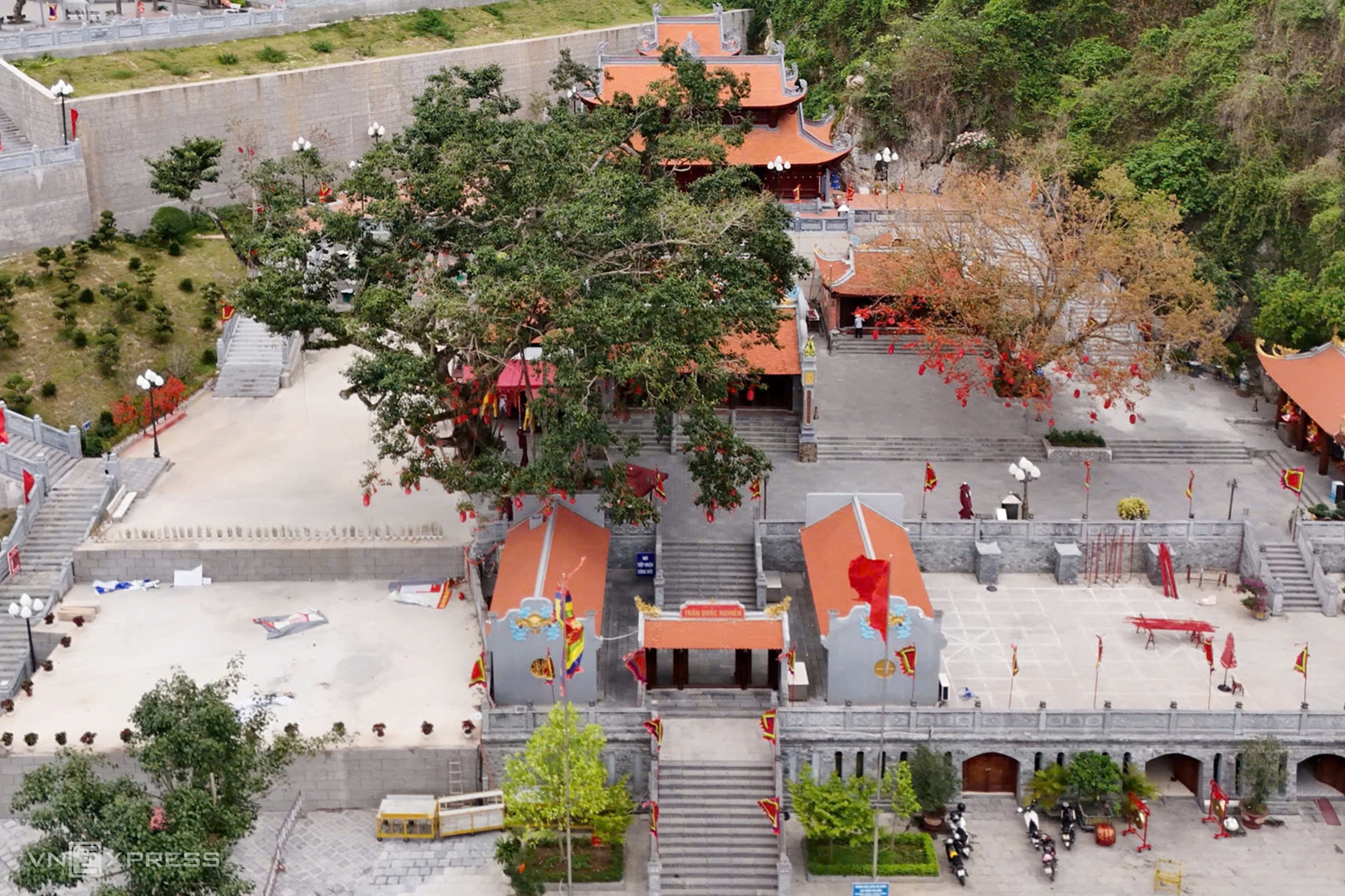
The Tran Quoc Nghien Temple, located in Hong Gai Ward, honors Hung Vu Dong Hai Dai Vuong, the eldest son of Grand Prince Hung Dao Tran Quoc Tuan. Tran Quoc Nghien was a gifted general, excelling in both military strategy and scholarship. He played a crucial role in the resistance against the Yuan-Mongol invaders, achieving significant victories alongside his father and other commanders.
To honor his contributions in repelling invaders, local residents built a temple near Bai Tho Mountain around the late 13th century.
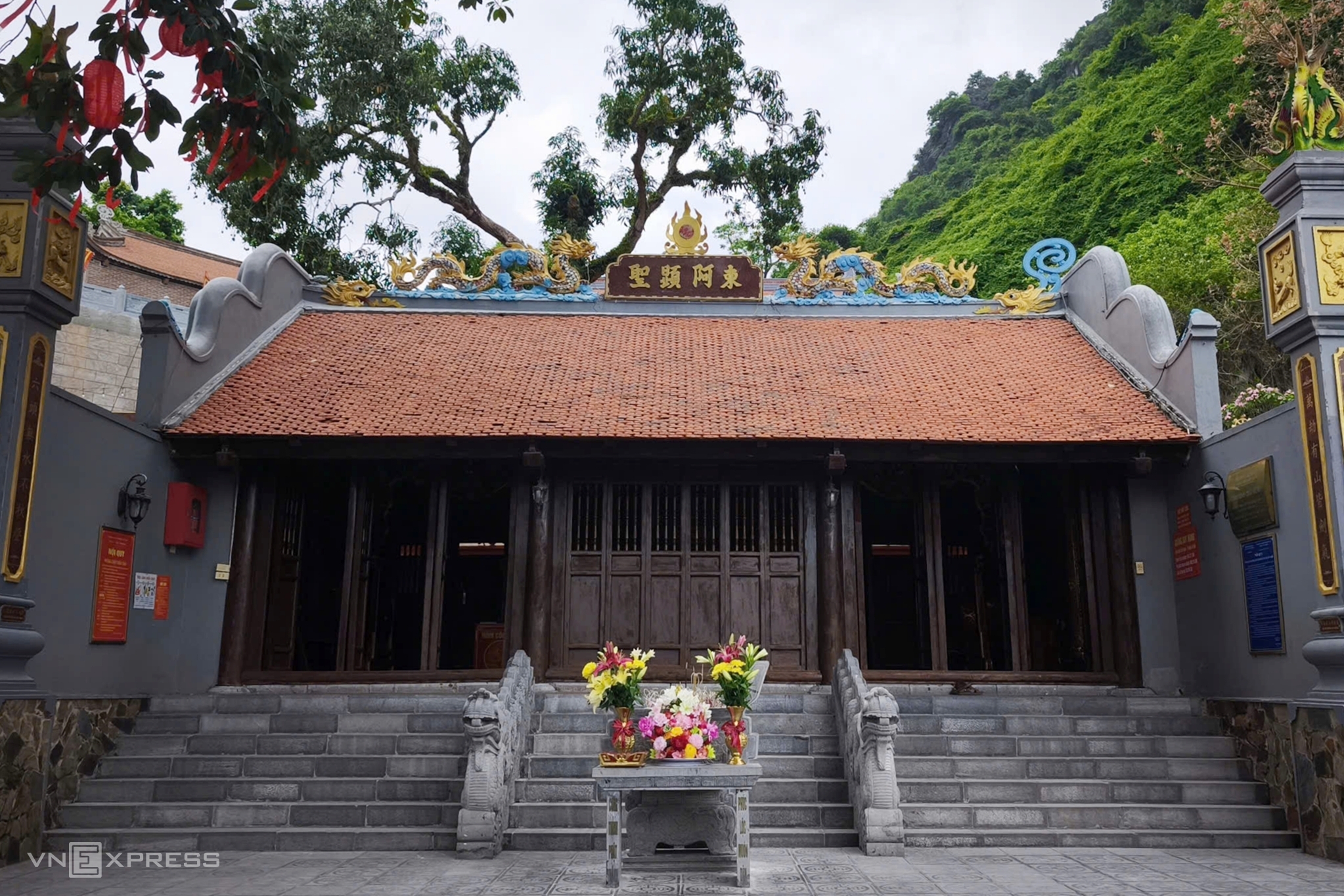 |
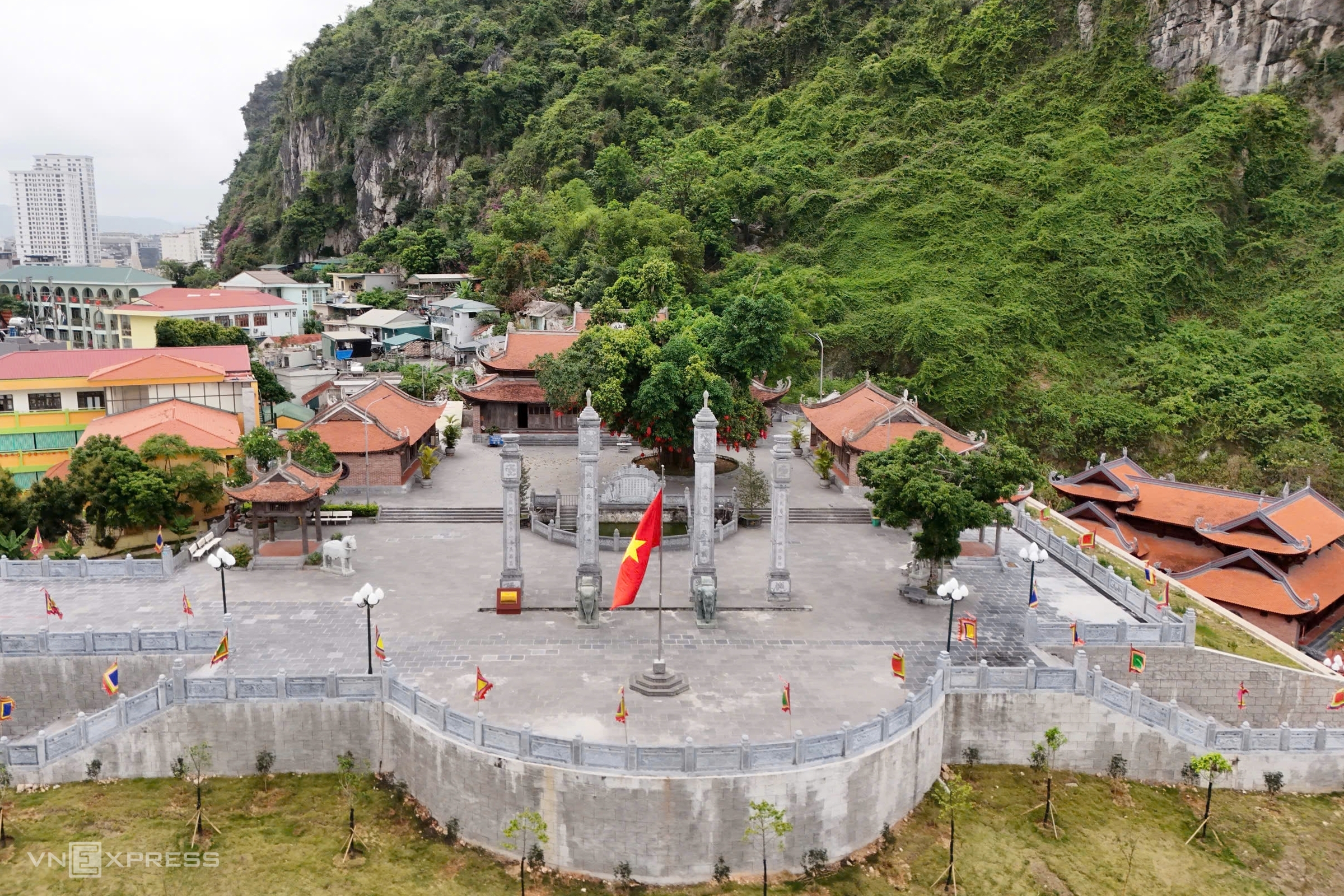
The temple sits on elevated ground, facing Ha Long Bay, and features three main halls and a sanctuary.
{"caption_all":"Legend has it that the temple served as a vital stop for seafarers, offering a place to rest and collect fresh water. Consequently, its significance extends beyond spiritual devotion, providing a sense of preparedness for fishermen embarking on challenging voyages. The temple has undergone several renovations. In 1992, the Ministry of Culture, Information and Sports designated it a national historical and scenic relic.","caption_items":["To the left of the temple entrance is an ancient well, whose water remains clear and sweet despite its proximity to the sea.","Beneath an ancient banyan tree within the temple grounds are two stone steles erected in Quy Suu year (1913), recording the collective efforts of boat owners who united to reconstruct the old temple."]}
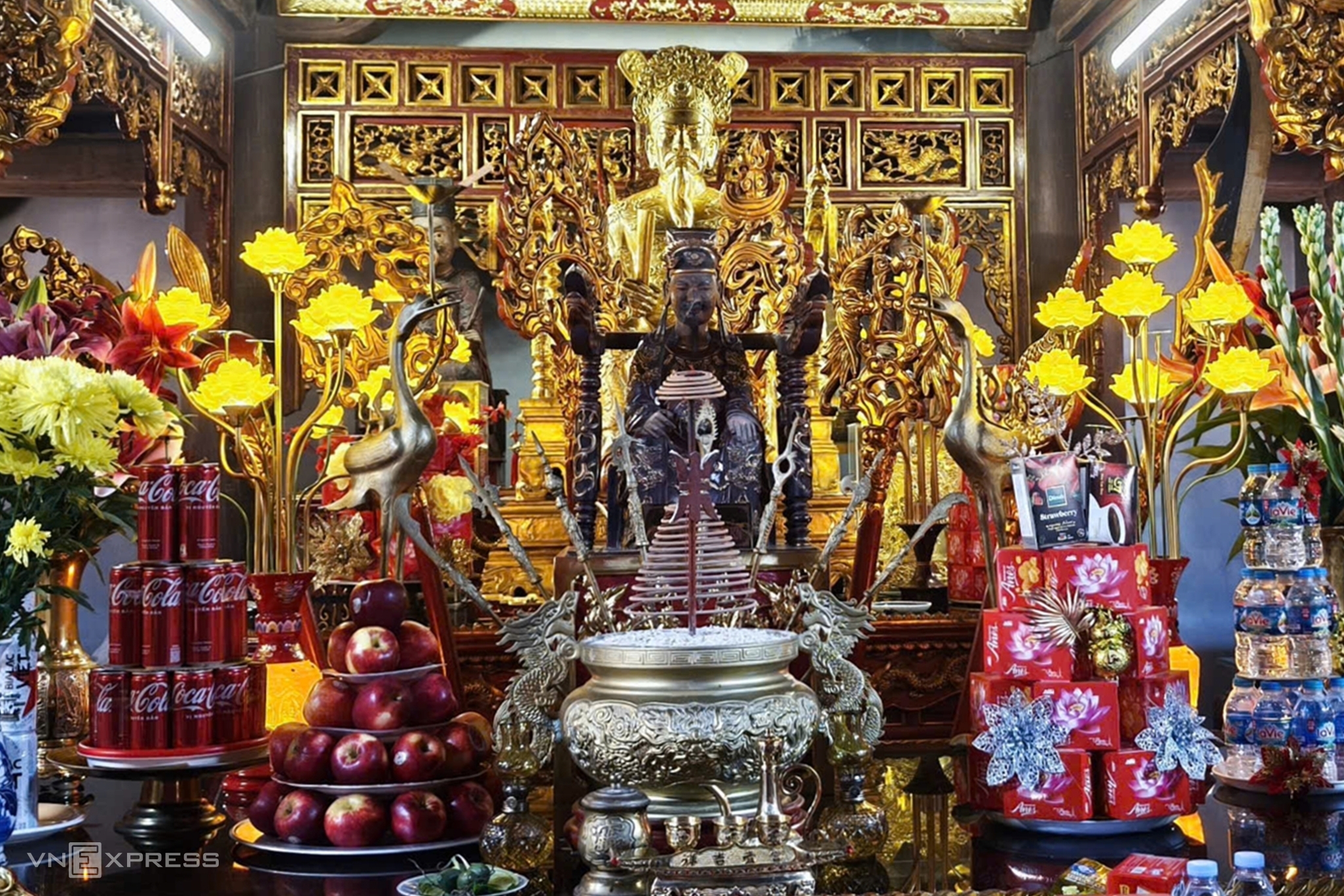
Inside, a statue of Hung Vu Vuong occupies the central position, flanked by altars honoring generals Yet Kieu and Da Tuong, complete with ceremonial regalia and sacrificial artifacts.
In April 1289, following the defeat of the Yuan invaders, the imperial court bestowed upon him the title of Khai Quoc Cong. After the victory, Hung Vu Vuong Tran Quoc Nghien settled in Chung My commune (now Thuy Nguyen Ward, Hai Phong City). There, he gathered displaced people and helped them establish stable livelihoods. Upon his passing, a communal house was erected to worship him as the local tutelary deity.
 |
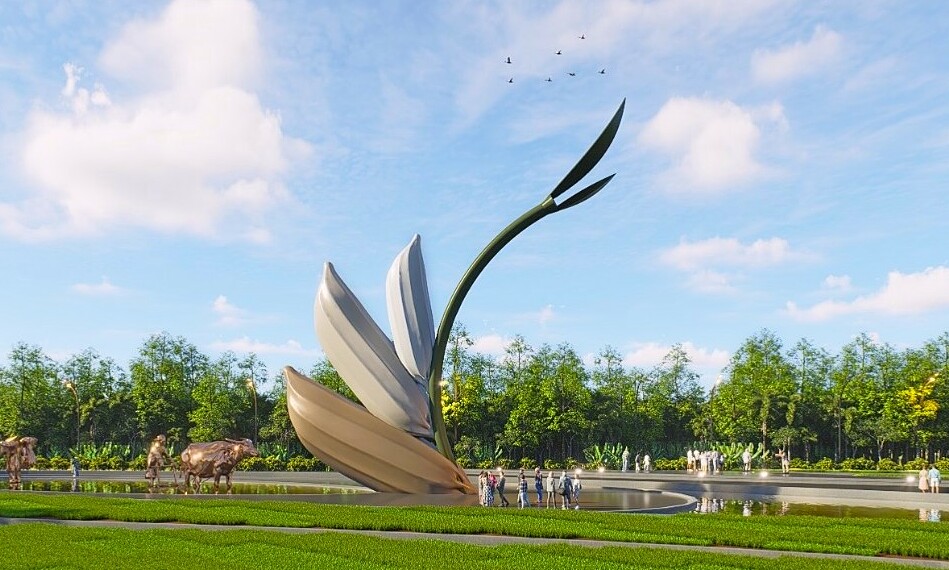
In early 2024, a 200 billion VND project commenced to expand, repair, and renovate the Tran Quoc Nghien Temple. This initiative also included developing a square, green spaces, and technical infrastructure for the Bai Tho Mountain cultural area.
The project involved expanding and renovating the temple, landscaping its courtyard, and redesigning architectural elements to harmonize with its traditional layout.
Historically, the Tran Quoc Nghien Temple Festival took place on the 24th day of the 3rd lunar month, marking the anniversary of his passing. However, since its revival in 2008, the festival has been held annually on 29-30/4, aligning with Ha Long Tourism Week.
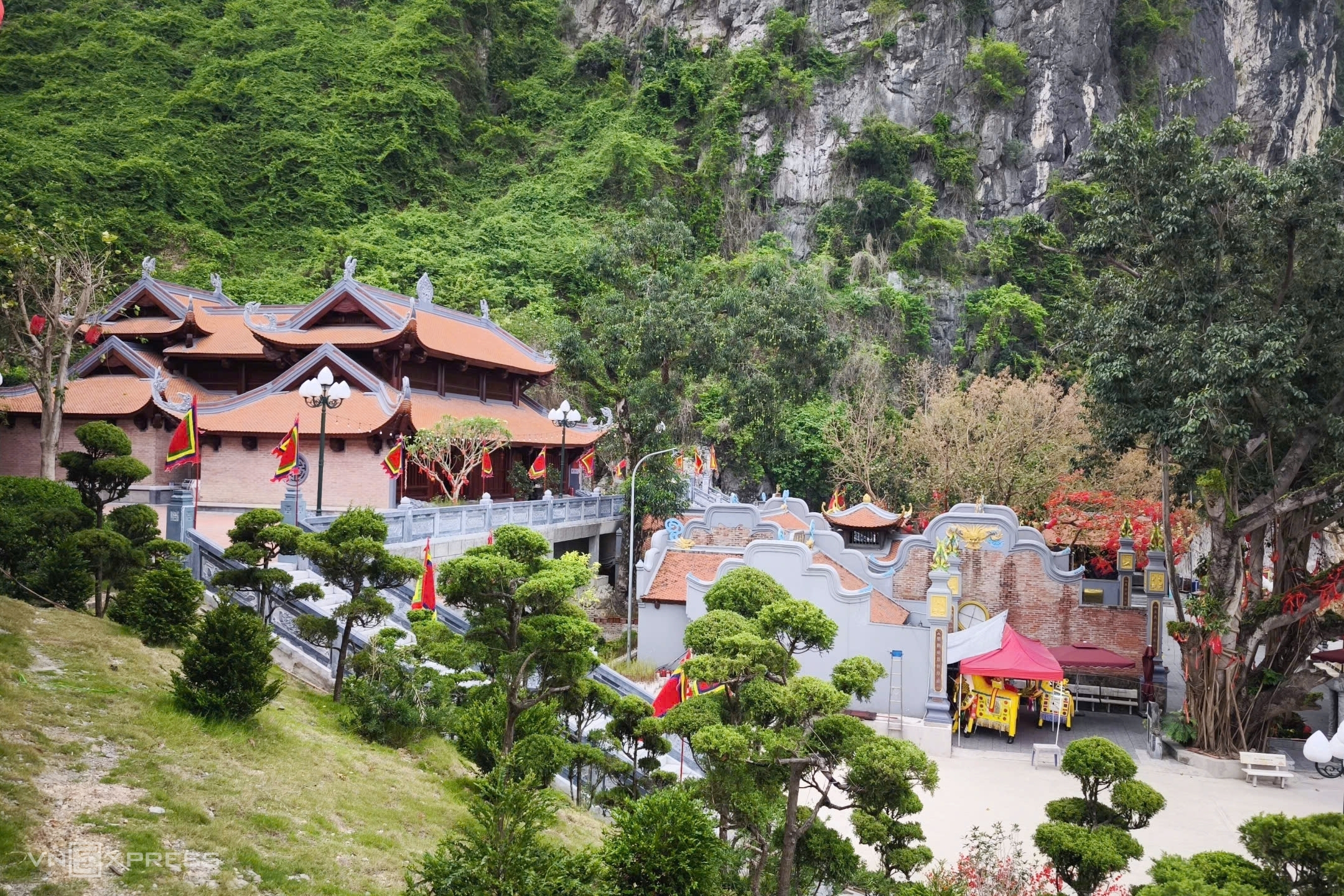 |
Adjacent to the left of the Tran Quoc Nghien Temple is the temple dedicated to King Le Thanh Tong, forming a cultural complex at the foot of Bai Tho Mountain.
 |
Due to its elevated position, the temple offers a suitable vantage point for viewing the beauty of Ha Long Bay. Its unique location harmoniously connects historical heritage with the magnificent natural landscape of Quang Ninh province.
Le Tan