In the first four months of the year, the number of buses using clean energy in Hanoi significantly increased, exceeding 42% by the end of april, far surpassing the initial target.
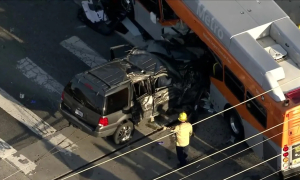
Nearly ten passersby, along with the driver and assistant, lifted a multi-ton bus to free a young woman trapped underneath and take her to emergency care on the morning of 4/5.
The city is exploring demand-responsive transit (DRT) with small buses to navigate narrow streets and residential areas, connecting passengers to main bus routes and the metro.
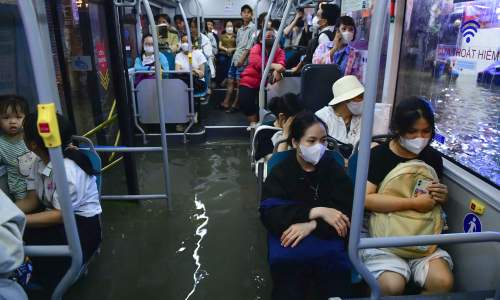
Hanoi will waive fares for its bus and urban railway networks for seven days during the upcoming Hung Kings' Commemoration Day, Reunification Day, and International Workers' Day holidays. This initiative applies to 128 subsidized bus routes and two metro lines.
Travel demand for the 30/4–1/5 holiday period is forecast to rise. However, many transport businesses in TP HCM are cautious about increasing services due to cost pressures, particularly fluctuating fuel prices.
Beyond free fares, authorities suggest network restructuring, infrastructure prioritization, and operational synchronization to boost public transport appeal.
Numerous bus stops are being encroached upon for selling goods and accumulating trash, detracting from urban aesthetics, making it difficult for passengers to board, and diminishing the effectiveness of the city's free bus fare policy.
Ho Chi Minh City's bus fleet is too small, only meeting minimal travel needs, and requires a three to four-fold increase in vehicles to boost market share and make the free fare policy effective, according to experts.
While free fares may boost short-term ridership, encouraging residents to abandon private vehicles requires punctual, well-connected, and high-quality bus services, experts say.
If the policy is approved in april, TP HCM will waive fares on 135 bus routes from may, with a total estimated cost of 930 billion VND for the remaining eight months of 2026.