Older adults often experience dyslipidemia, which is more challenging to control than in younger individuals, due to several factors.
Firstly, the process of fat metabolism slows down in older adults. As the body ages, the liver—an organ crucial for processing cholesterol—becomes less efficient at absorbing and eliminating LDL-cholesterol (often referred to as 'bad cholesterol'). This makes LDL-cholesterol more prone to accumulating in the blood and typically harder to reduce compared to younger people.
Secondly, older adults tend to be less physically active due to conditions such as joint pain, back pain, spinal degeneration, obesity, or a fear of falling. Regular exercise is a vital measure to help improve blood fat levels and decrease the risk of cardiovascular disease.
 |
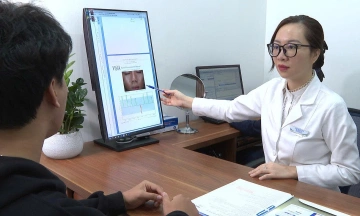
A doctor at Tam Anh General Hospital consults with a patient. Photo illustration: *Provided by the hospital* |
Thirdly, dyslipidemia in older adults often co-exists with other underlying conditions like hypertension, diabetes, kidney disease, or obesity. These conditions disrupt the body's metabolism, making blood fat control more complex and requiring stricter treatment goals.
Older adults with underlying health issues frequently use multiple medications simultaneously. Age-related changes in liver, kidney, and digestive functions can affect drug absorption, metabolism, interactions, and overall treatment effectiveness.
A significant factor is that dietary and lifestyle habits, established over many years, are difficult to change. Sustaining a long-term diet low in animal fats, organ meats, and high-fat fried foods often presents a challenge.
According to the American Heart Association (AHA), the risk of coronary artery disease increases for men after 45 years and for women after 55 years. Consequently, the treatment objective for older adults is not only to stabilize blood fat but also to prevent myocardial infarction, stroke, and other cardiovascular events.
In the case of your father, the family should continue to maintain a healthy diet, engage in appropriate physical activity, and attend scheduled follow-up appointments. Supplementing with natural extracts such as GDL-5 (Policosanol) from South American sugarcane wax can also help control blood fat, manage blood pressure, and reduce the risk of cardiovascular disease.
Master, Doctor Doan Vinh Binh
Medical Information Center
Tam Anh General Hospital, TP HCM
| Readers can submit questions about cardiovascular disease here for a doctor's consultation. |