Maintaining a stable weight is crucial for people with diabetes to manage blood sugar levels effectively. However, balancing blood sugar control with weight loss often presents a significant challenge.
Insufficient sleep
Insufficient sleep is linked to insulin resistance and disrupts hormones that influence weight gain. Poor sleep quality, often exacerbated by blood sugar fluctuations, increases ghrelin (an appetite-stimulating hormone) while decreasing leptin (an appetite-suppressing hormone). This imbalance often leads to evening snacking, with individuals opting for high-calorie, high-carbohydrate, and high-sodium foods, contributing to rapid weight gain.
According to Healthline, sleep deprivation also contributes to stress and elevated blood sugar. To achieve effective weight loss, individuals should establish a consistent bedtime and aim for 7-9 hours of sleep nightly. Preparing healthy snacks like oats, black bean powder, apples, avocados, or eggs can help curb hunger before bed.
Overconsuming healthy foods
Eating healthy foods forms the foundation of a diet designed to help people with diabetes manage blood sugar and lose weight. However, as Eating Well points out, even nutritious items like avocados, eggs, nuts, salmon, and green vegetables can lead to excess calories, elevated cholesterol, and hinder weight loss if consumed in large quantities.
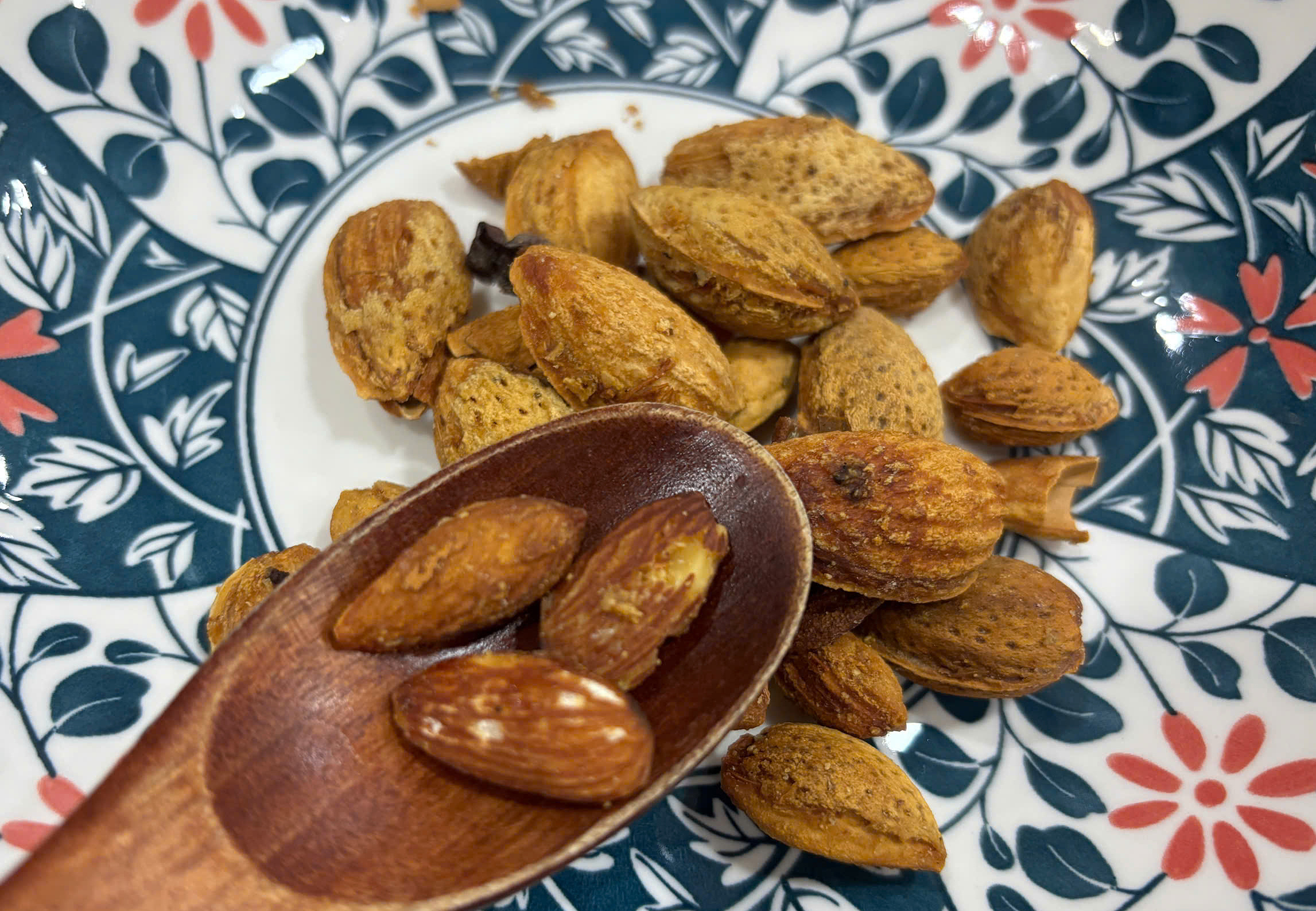 |
Almonds are rich in protein but high in calories. Photo: Anh Chi. |
Skipping meals due to blood sugar concerns
Newly diagnosed type 2 diabetes patients often struggle with healthy food choices, leading them to eat less or skip meals. However, irregular eating habits are detrimental to both blood sugar control and weight management.
When hungry, the liver automatically releases stored glucose into the bloodstream to fuel the brain and other organs. Fasting also increases stress hormones, which can cause blood sugar to spike and energy levels to drop. Suppressed hunger often leads to overeating at the next meal, resulting in elevated blood sugar and increased fat storage. Instead of skipping or minimizing meals, patients should eat three regular main meals daily, with two light snacks if needed.
Unsuitable protein preparation methods
Protein-rich foods like lean beef, eggs, and poultry can promote satiety and have minimal impact on blood sugar, supporting weight loss. However, cooking methods such as deep-frying, breading and frying, braising with excessive spices, or stir-frying with animal fats significantly increase a dish's total calorie count. High fat intake also promotes inflammation, visceral fat accumulation, and fatty liver, negatively affecting blood sugar levels.
According to the American Diabetes Association, people with diabetes should prioritize grilling, pan-frying, steaming, or boiling to manage calories, aid weight loss, and stabilize blood sugar.
Frequent snacking due to fear of low blood sugar
Snacking to prevent hunger-induced low blood sugar often leads people with diabetes to consume extra calories, resulting in weight gain. Many snack uncontrollably, opting for unhealthy choices like pastries, donuts, or fried chicken, which increases calorie intake and sugar excess.
Anh Chi (Compiled)
| Readers can ask questions about diabetes here for doctors to answer. |