 |
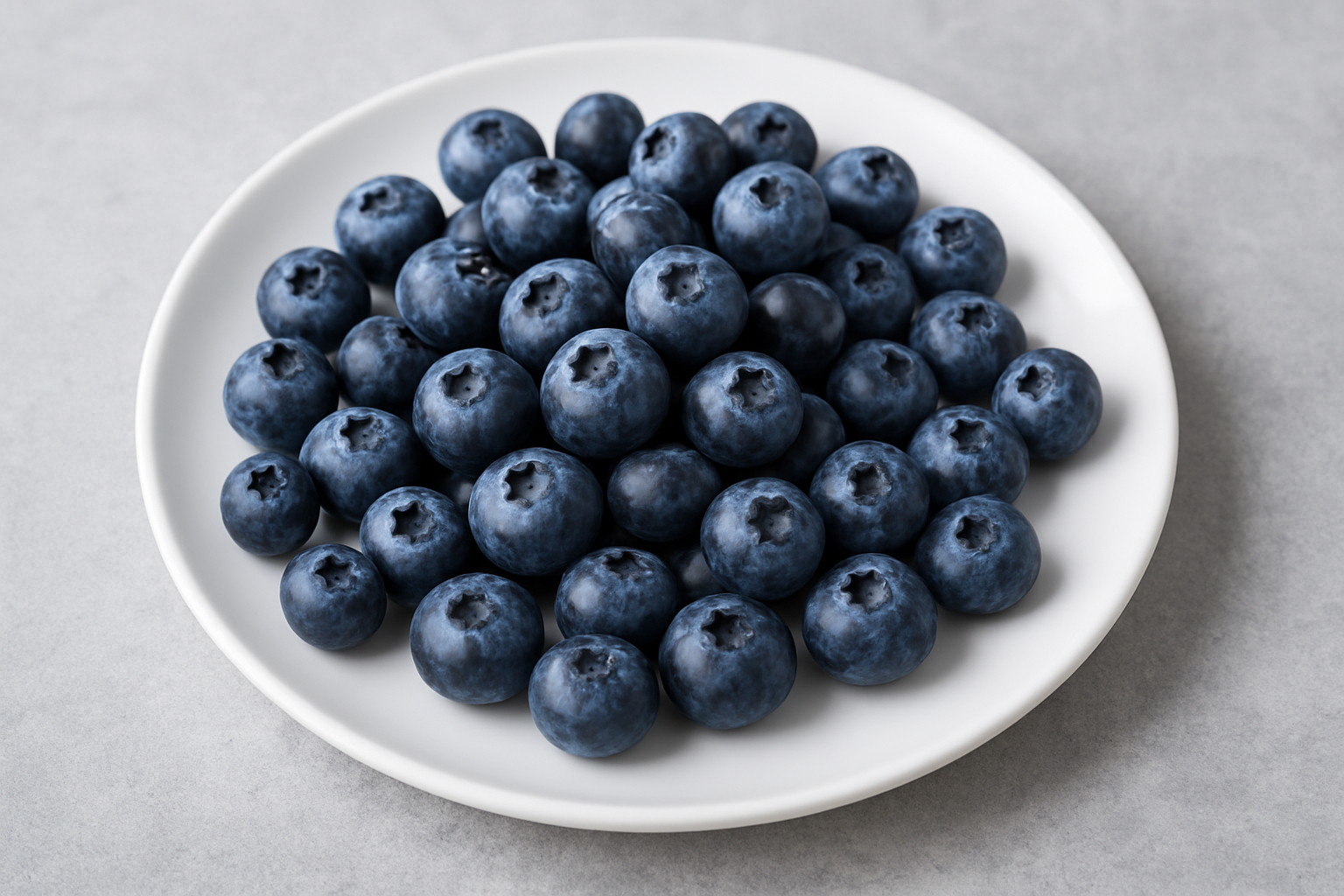
Blueberries are rich in antioxidants, especially anthocyanins, which can protect cells from damage. Anthocyanins also help blood vessels produce more nitric oxide. Nitric oxide promotes blood vessel relaxation rather than constriction, thereby improving blood circulation.
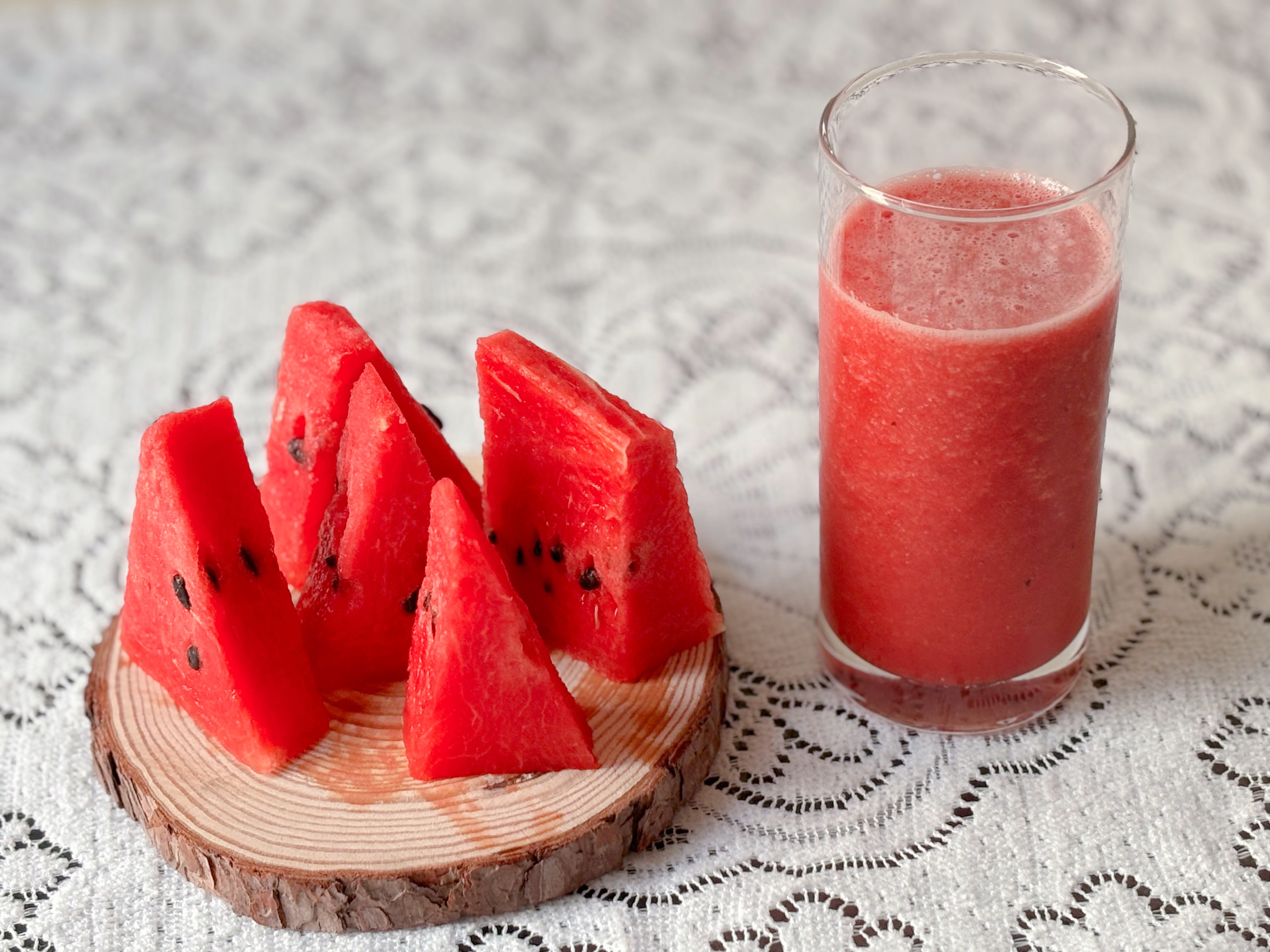 |
Watermelon contains an amino acid called L-citrulline, which the body converts into L-arginine. L-arginine promotes nitric oxide production, which dilates blood vessels and supports arterial flexibility, thereby improving blood circulation and reducing high blood pressure.
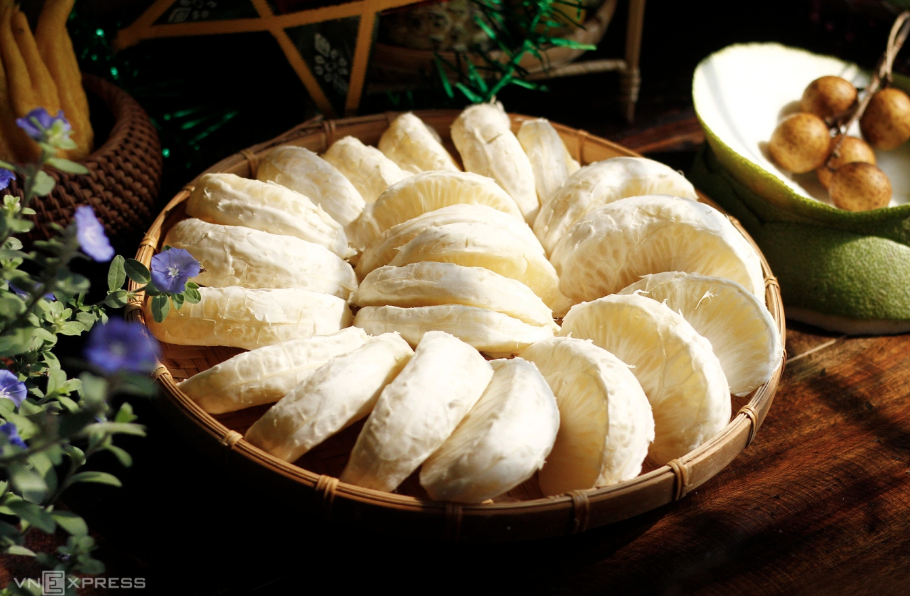 |
Grapefruit is rich in potassium and vitamin C, both beneficial for managing blood pressure. Individuals with hypertension can consume grapefruit in moderation, potentially spread throughout the day, with the amount depending on their physical condition and health status. However, grapefruit can interact with certain medications, so it is important to consult a doctor before regular consumption.
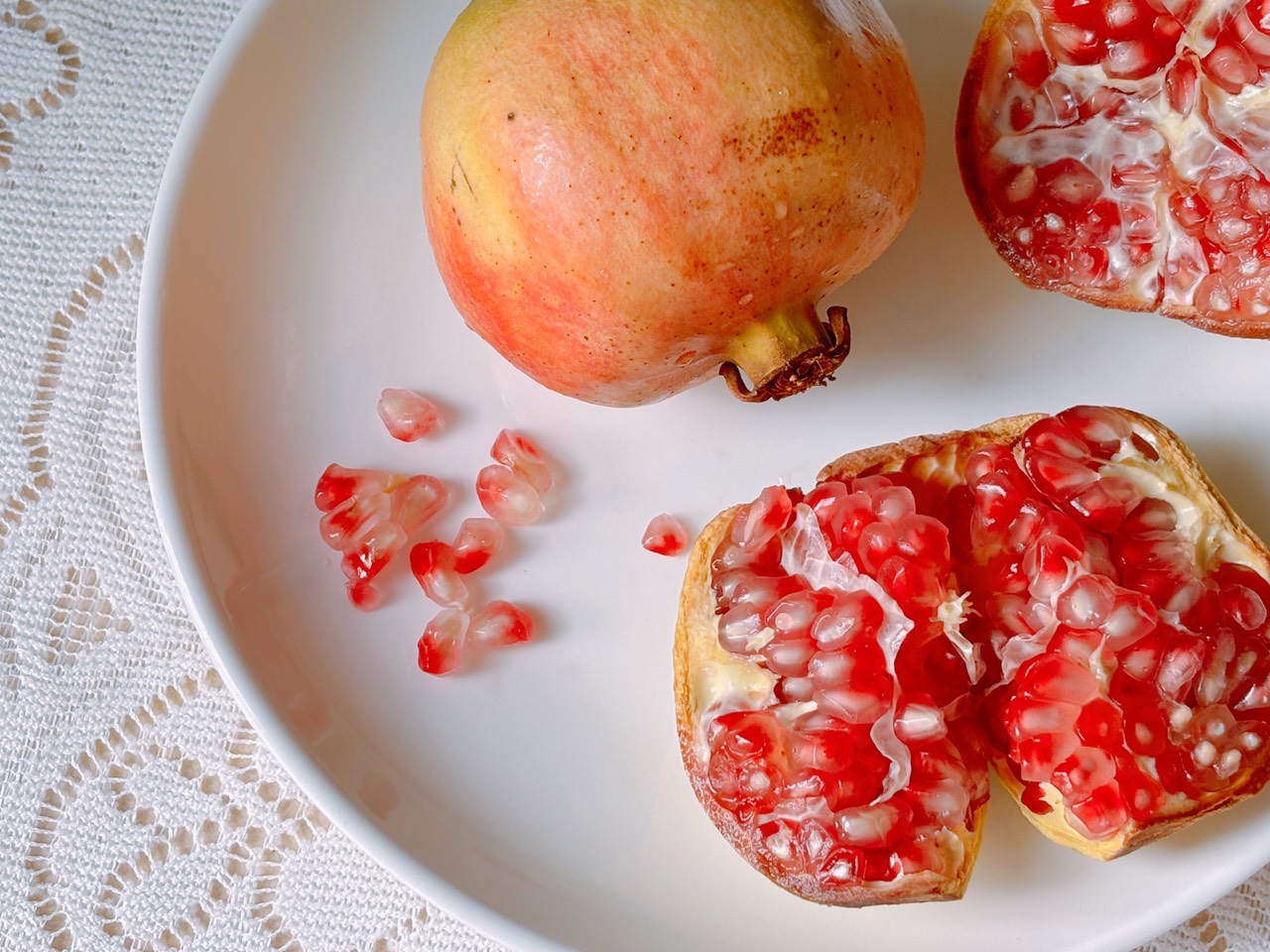 |
Pomegranates contain many compounds that help prevent cell damage, reduce inflammation, and protect against bacteria. Regular consumption of pomegranates can lower high blood pressure. They help blood vessel cells function better, supporting healthy blood circulation. The compounds in pomegranates also protect these cells from damage, preventing plaque buildup and the narrowing of blood vessels.
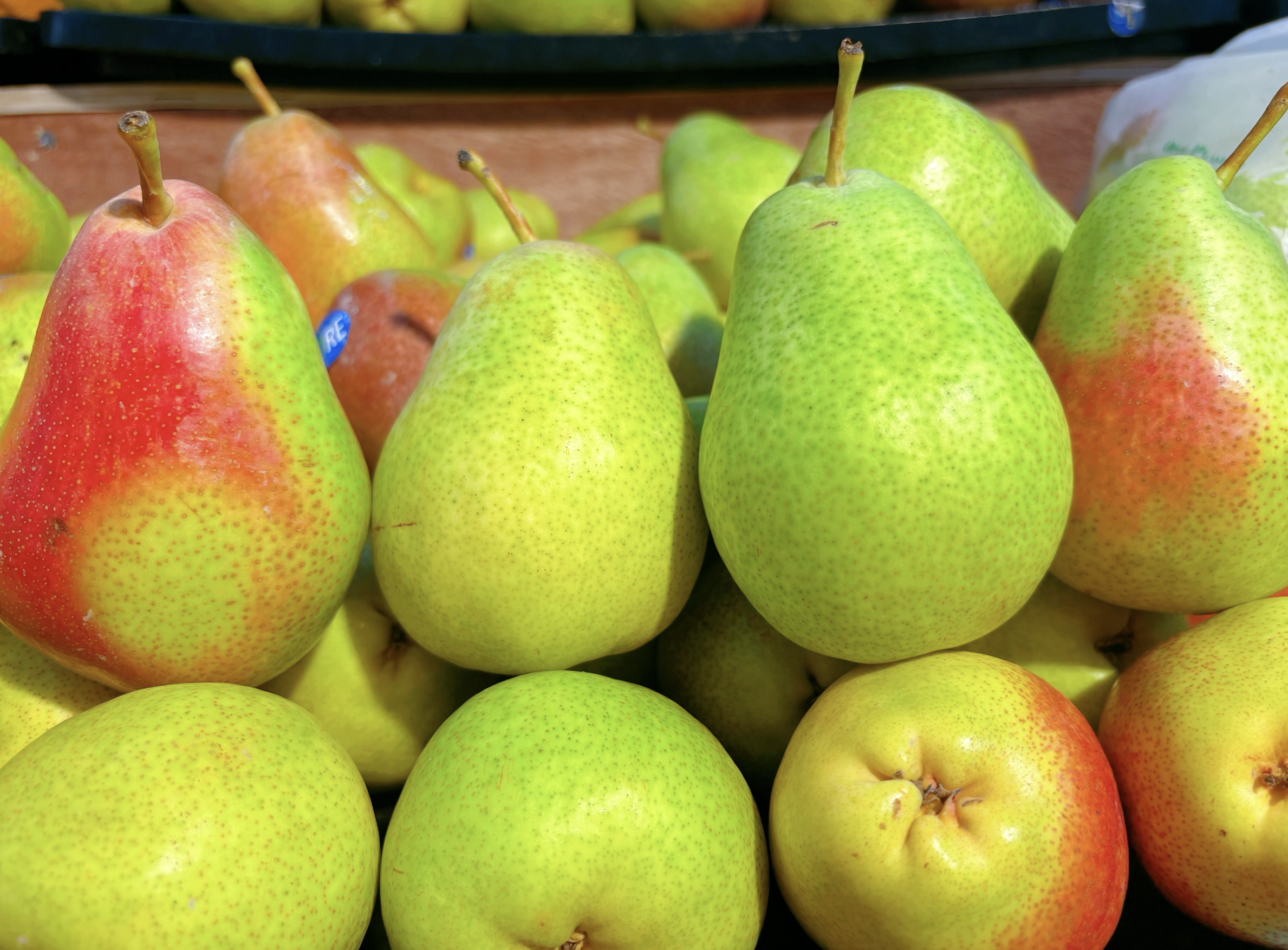 |
Pears are rich in fiber, which plays a role in regulating blood sugar levels and reducing the risk of cardiovascular disease. Diabetic conditions like hyperinsulinemia (too much insulin in the blood) can lead to high blood pressure. Stabilizing blood sugar is crucial for blood pressure management. Pears also contain magnesium and potassium, both linked to blood pressure control.
Bao Bao (Source: Health)
Images: Bao Bao, Bui Thuy, AI