Blood pressure is the force of blood against blood vessel walls. A normal level is around 120/80 mmHg; below 90/60 mmHg is considered low. This condition can cause dizziness, lightheadedness, fatigue, blurred vision, rapid heartbeat, or even fainting. Adjusting diet and lifestyle habits can help maintain stable blood pressure.
Drink enough water
According to Eating Well, dehydration reduces circulating blood volume, which can cause blood pressure to drop. Individuals should drink water regularly throughout the day. In hot weather, during exercise, or when sweating profusely, required water intake may increase.
Besides plain water, individuals can also supplement fluids from broths, soups, milk, and various fruits and vegetables. People with heart or kidney conditions, or those advised to restrict fluid intake, should follow their doctor's guidance.
Supplement foods rich in vitamin B12 and folate
Vitamin B12 and folate (vitamin B9) help the body produce red blood cells. Therefore, adequate intake of these two nutrients can prevent anemia. When anemic, the amount of blood and oxygen supplied to organs decreases, contributing to low blood pressure, dizziness, and fatigue.
Vitamin B12 is abundant in fish, meat, eggs, milk, and some fortified foods. Folate is found in leafy green vegetables, legumes, avocados, and certain fruits. Individuals should prioritize natural food sources and only take supplements when medically advised.
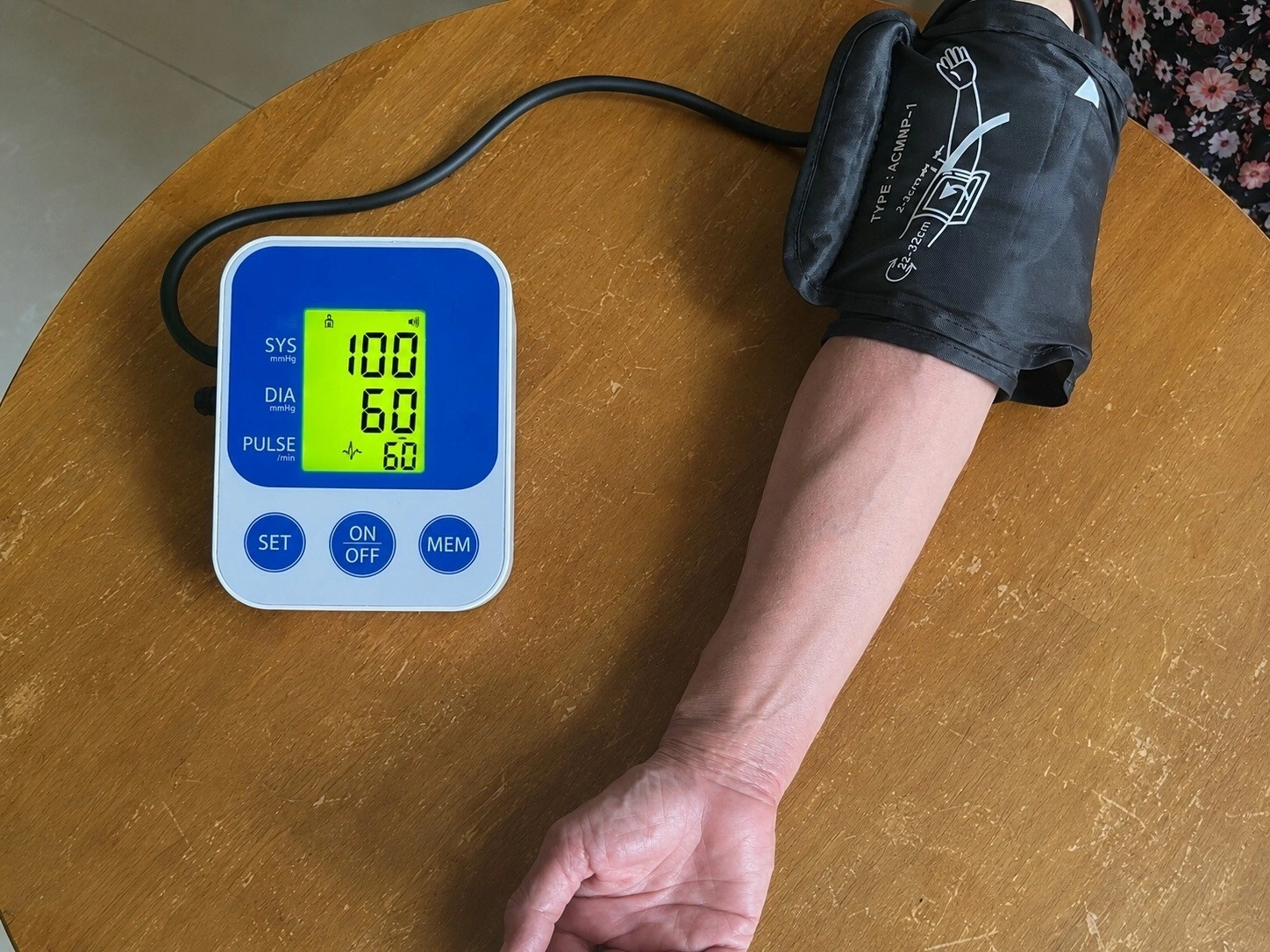 |
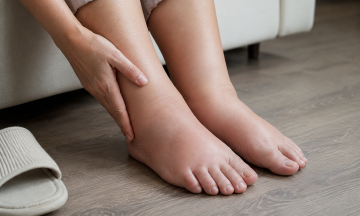
Low blood pressure can cause dizziness and fatigue. *Photo: Tam Anh General Hospital* |
Do not restrict salt excessively
Sodium helps maintain body fluids and blood pressure. Thus, a diet with too little salt may not suit some people with low blood pressure. Individuals with heart or kidney conditions, or other blood pressure issues, should consult a doctor before altering their dietary salt intake.
Maintain physical activity
Regular exercise improves cardiovascular health and blood circulation. Individuals with low blood pressure should choose moderate activities such as walking, cycling, swimming, strength training, or light exercises.
You should gradually increase intensity, drink enough water, and avoid exercising when hungry or overly fatigued. If you experience dizziness, lightheadedness, abnormal heartbeats, chest pain, or shortness of breath during exercise, stop and investigate the cause, according to WebMD.
Change posture slowly
Some people experience a drop in blood pressure when moving quickly from a lying or sitting position to standing. In such cases, blood circulation has not yet returned to normal, causing lightheadedness, dizziness, or loss of balance.
After lying down for an extended period, you should sit up slowly, wait a moment, and then stand. If you are sitting, you can move your legs before standing. Those who frequently experience this condition should also consult a doctor to assess the cause.
Le Nguyen (Compiled)
| Readers can submit questions about cardiovascular diseases here for doctors to answer. |