Cough and shortness of breath are common indicators of lung or respiratory issues. However, declining lung function can also present through various other bodily changes. Early recognition helps detect abnormalities and allows for timely health checks.
Fatigue during exertion
According to the Times of India, impaired respiratory function can cause the body to tire quickly during physical activity. If you previously could walk, climb stairs, or perform household chores normally but recently experience easy breathlessness and fatigue, the reason might be that your lungs are not adequately meeting the oxygen exchange demands when your body increases activity.
Difficulty sleeping or waking at night
When lungs are damaged, respiratory capacity often decreases, making individuals prone to coughing, shortness of breath, or a feeling of chest heaviness, especially at night. These symptoms disrupt sleep, causing difficulty falling asleep or frequent awakenings.
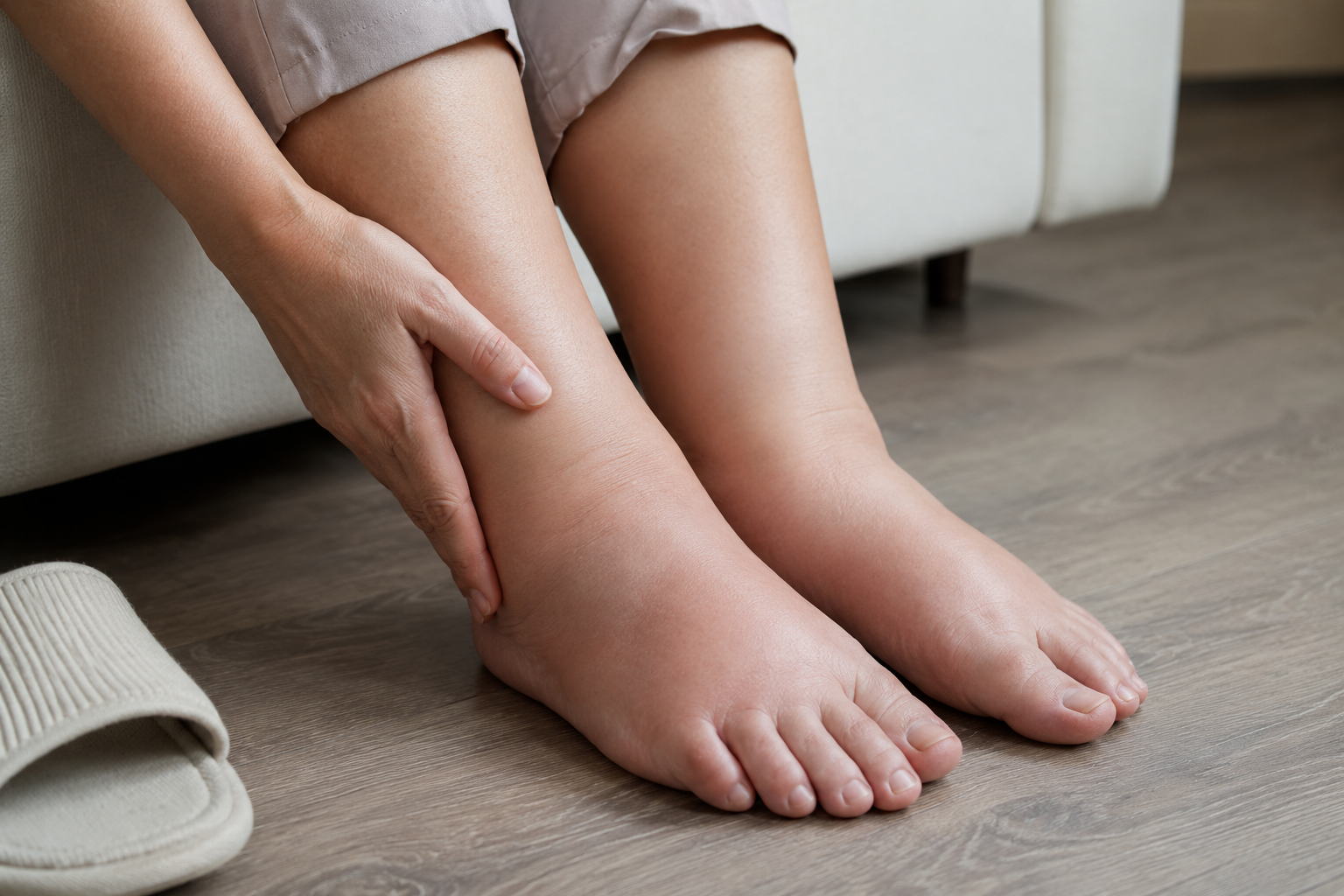 |
Damaged lungs can manifest as swollen feet. *AI-generated image*.
Voice changes
Persistent hoarseness or voice changes can be linked to various upper respiratory causes or irritation from smoke. In some cases, prolonged voice changes may accompany lung or chest conditions. If hoarseness lasts for many weeks, particularly in smokers or those with additional symptoms such as persistent cough, chest pain, or weight loss, you should seek medical attention to determine the cause.
Bluish lips or fingertips
Bluish or purple lips, fingertips, or nails often signal low oxygen levels in the blood. This is a symptom that requires attention, especially if it appears suddenly or is accompanied by shortness of breath, chest pain, or confusion. This condition is not always due to lung disease but can also relate to heart or circulatory issues, requiring medical evaluation rather than self-monitoring at home, according to WebMD.
Swollen feet and ankles
Swelling in the feet or ankles can occur in some individuals with chronic lung disease, especially when the condition has affected the right side of the heart and blood circulation. In such cases, blood struggles to circulate effectively, leading to fluid retention and causing swelling in the feet and ankles. However, swollen feet can also be associated with heart, kidney, liver disease, or varicose veins.
By Le Nguyen (Compiled)