During the second "Accompanying the cardiovascular path" seminar, themed "Updates from the European Congress on Obesity 2026", Associate Professor, Doctor Vu Thi Thanh Huyen, Head of Endocrinology - Musculoskeletal Department at the National Geriatric Hospital, likened obesity to a domino effect. When one link is affected, a series of other disorders can emerge and reinforce each other.
Visceral fat is particularly noteworthy. Not only the amount of excess fat but also its accumulation site holds significance for health. Visceral fat is linked to insulin resistance, the release of free fatty acids, adipose tissue redistribution disorders, and systemic inflammation.
"These changes can simultaneously impact the heart, blood vessels, liver, kidneys, and metabolic system. Therefore, the consequences of obesity extend beyond an increased waist circumference or body mass index (BMI)", said Associate Professor Huyen.
Specifically, in individuals with a BMI over 30, obesity is associated with numerous complications, including hypertension, diabetes, ischemic heart disease, myocardial infarction, heart failure, stroke, and knee osteoarthritis. The rates of myocardial infarction and diabetes complications in obese individuals reach 21%, while hypertension stands at 51%.
Associate Professor Huyen emphasized that this is why the approach to treating obesity must also evolve. The goal is not merely to make patients "lighter", but to focus on reducing excess fat, preserving muscle mass, and improving overall health.
Concurring with this view, Associate Professor, Doctor Hoang Van Sy, Head of Internal Cardiology Department at Cho Ray Hospital, stated that behind cardiovascular, kidney, and metabolic events lies a "hidden part of the iceberg", where obesity plays a significant role in the pathogenesis.
"We are facing a very large treatment gap, requiring therapies that not only help with sustainable weight management but also reduce cardiovascular events and mortality", he noted.
Experts also agreed that obesity should be viewed as a chronic disease, capable of leading to many comorbidities and long-term complications. Lifestyle interventions alone often achieve only a 3-5% weight reduction, and the risk of weight regain remains high for many patients. Consequently, some cases require long-term and multi-modal treatment strategies.
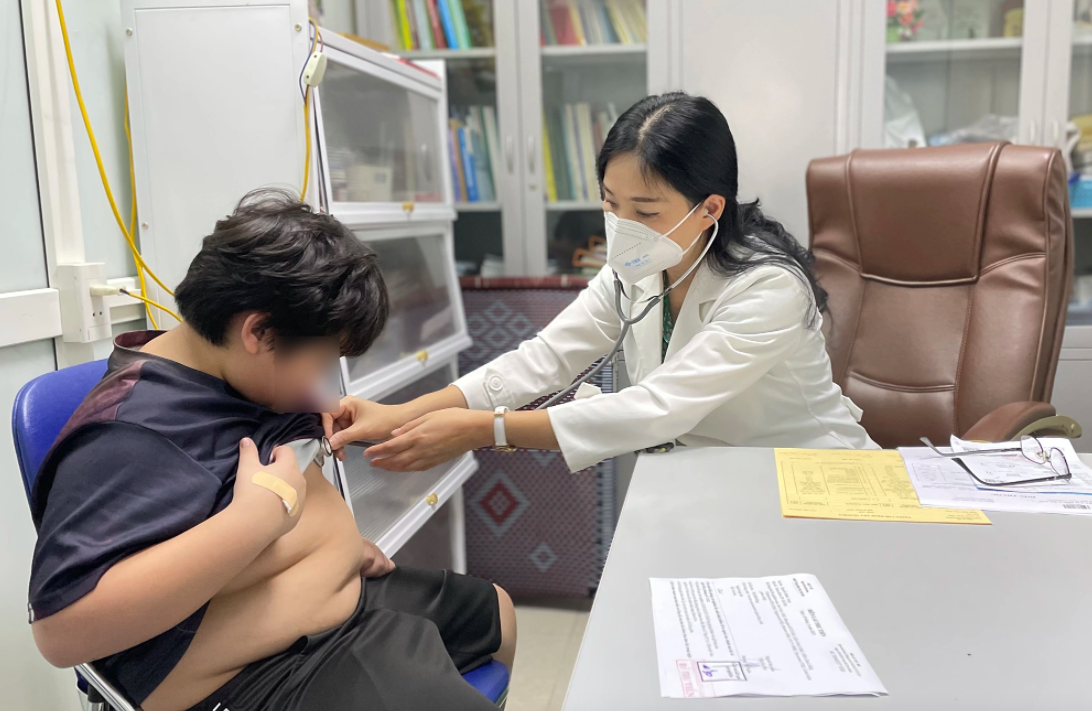 |
A child undergoing an obesity examination at a nutrition institute. Photo: Phan Duong |
Associate Professor Sy explained that selecting a treatment method should be based on each individual's phenotype and comorbidities. Doctors need to assess whether a patient has atherosclerotic cardiovascular disease, heart failure with preserved ejection fraction, metabolic-associated fatty liver disease, or diabetes, to then choose appropriate medications, nutrition, and exercise regimens.
The European Congress on Obesity 2026 noted new advancements from the incretin drug class – active ingredients that mimic gut hormones to induce satiety and control blood sugar. The STEP UP trial recorded that a 7,2 mg dose of semaglutide reduced body weight by 21%, even reaching 28% in early tolerant groups; while the OASIS 4 trial with 25 mg oral semaglutide helped reduce weight by 17%.
However, patients using these medications must maintain a daily protein intake of 1 to 1,5 g per kg of body weight, supplement with over 25 g of fiber, drink sufficient water, and combine resistance weight training with aerobic heart exercises two to three times per week to prevent muscle atrophy.
Vietnam currently reports an adult overweight and obesity rate of approximately 21%, which is among the lower figures in Southeast Asia, yet it boasts one of the fastest growth rates. Notably, the country's healthcare system's readiness and capacity to respond to and treat obesity rank 108th out of 183 nations.
Professor, Doctor Pham Manh Hung, Director of the Cardiovascular Institute - Hospital 19-8, and Head of the Cardiology Department at Hanoi Medical University, emphasized that decisively controlling this silently progressive chronic disease is the fundamental preventive step. Halting the obesity link will simultaneously eliminate many associated diseases, helping to reduce economic cost burdens for families and society, rather than passively treating each complication after organ damage has occurred.
Le Nga