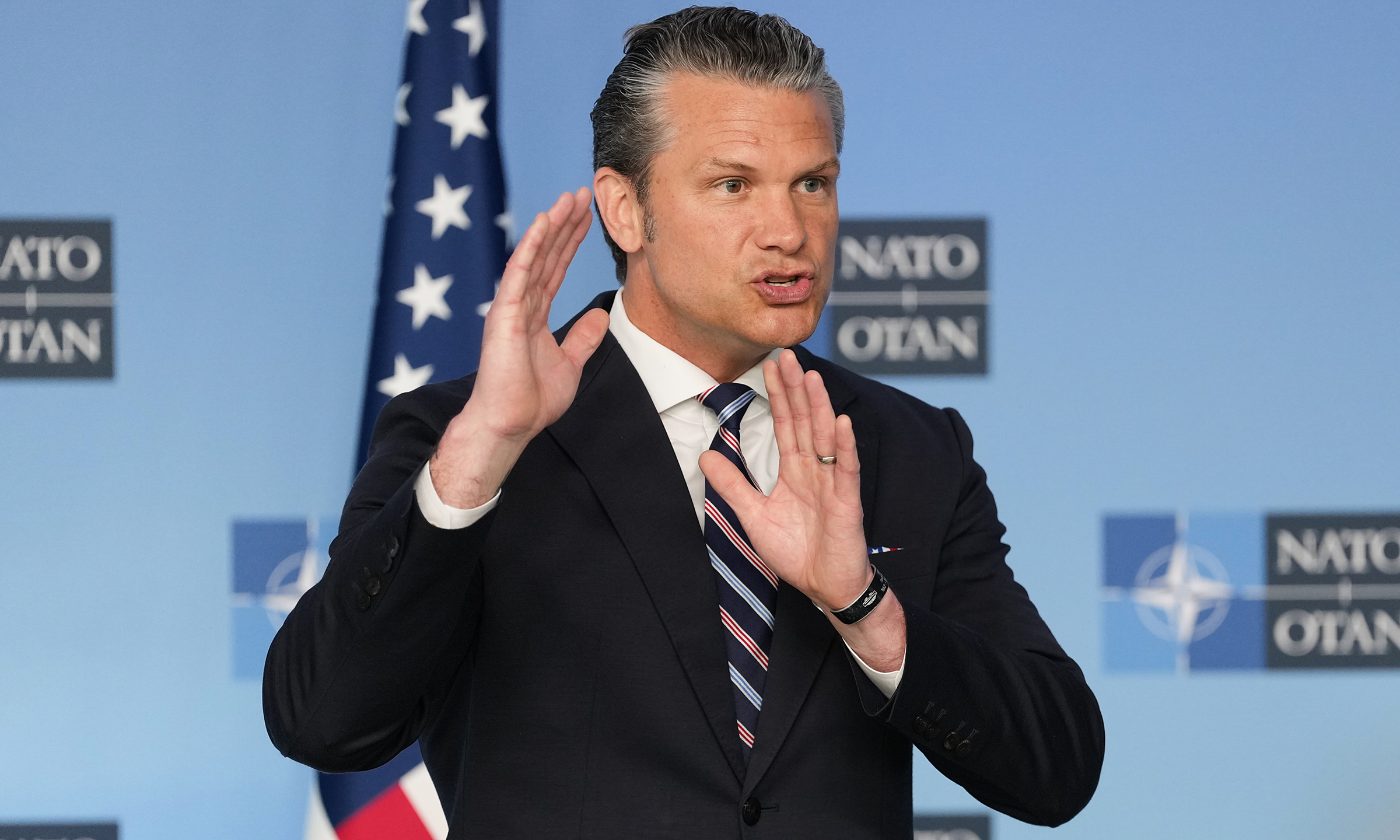
The US defense secretary declared Tehran "must pay the price for bad choices" after the Pentagon launched its latest series of airstrikes against Iran.
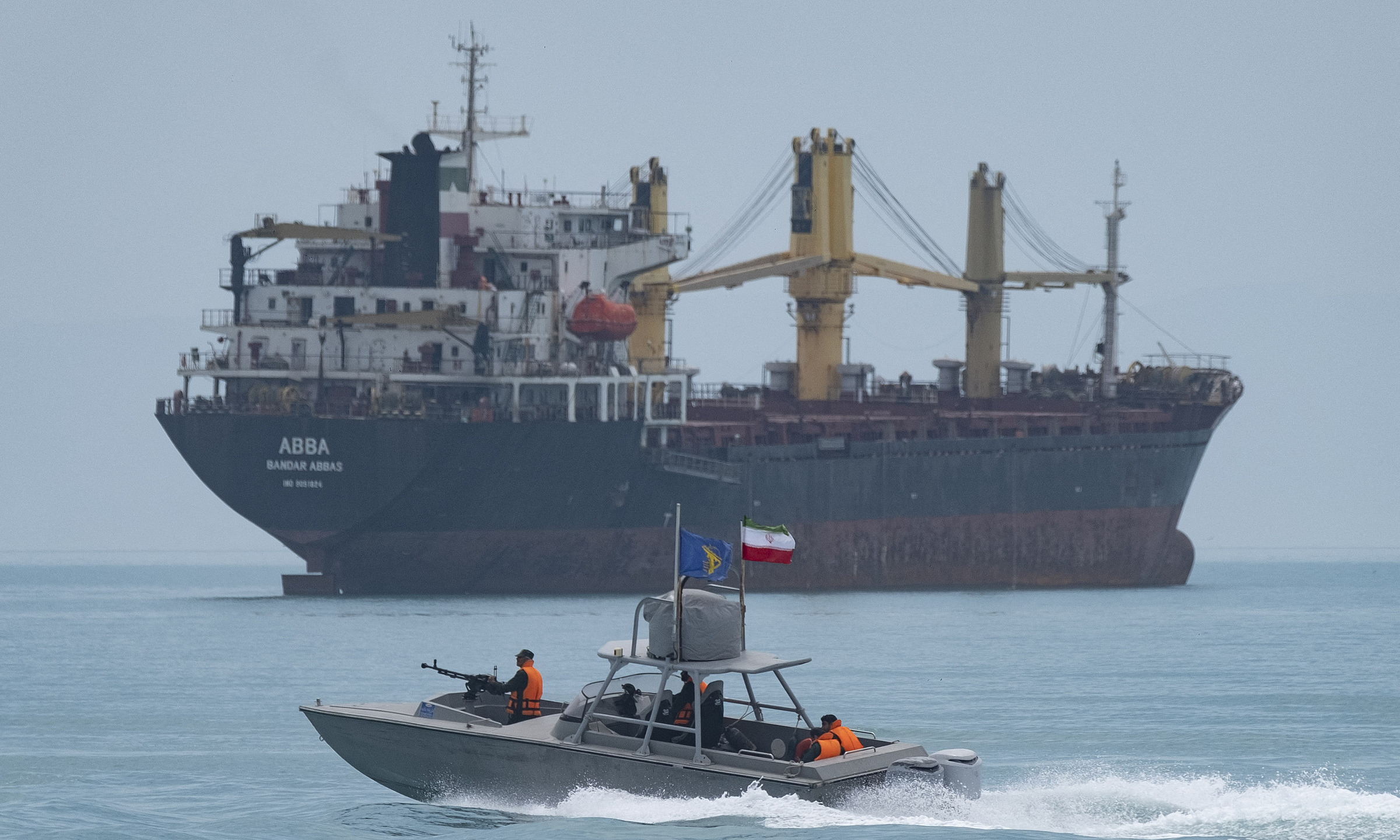
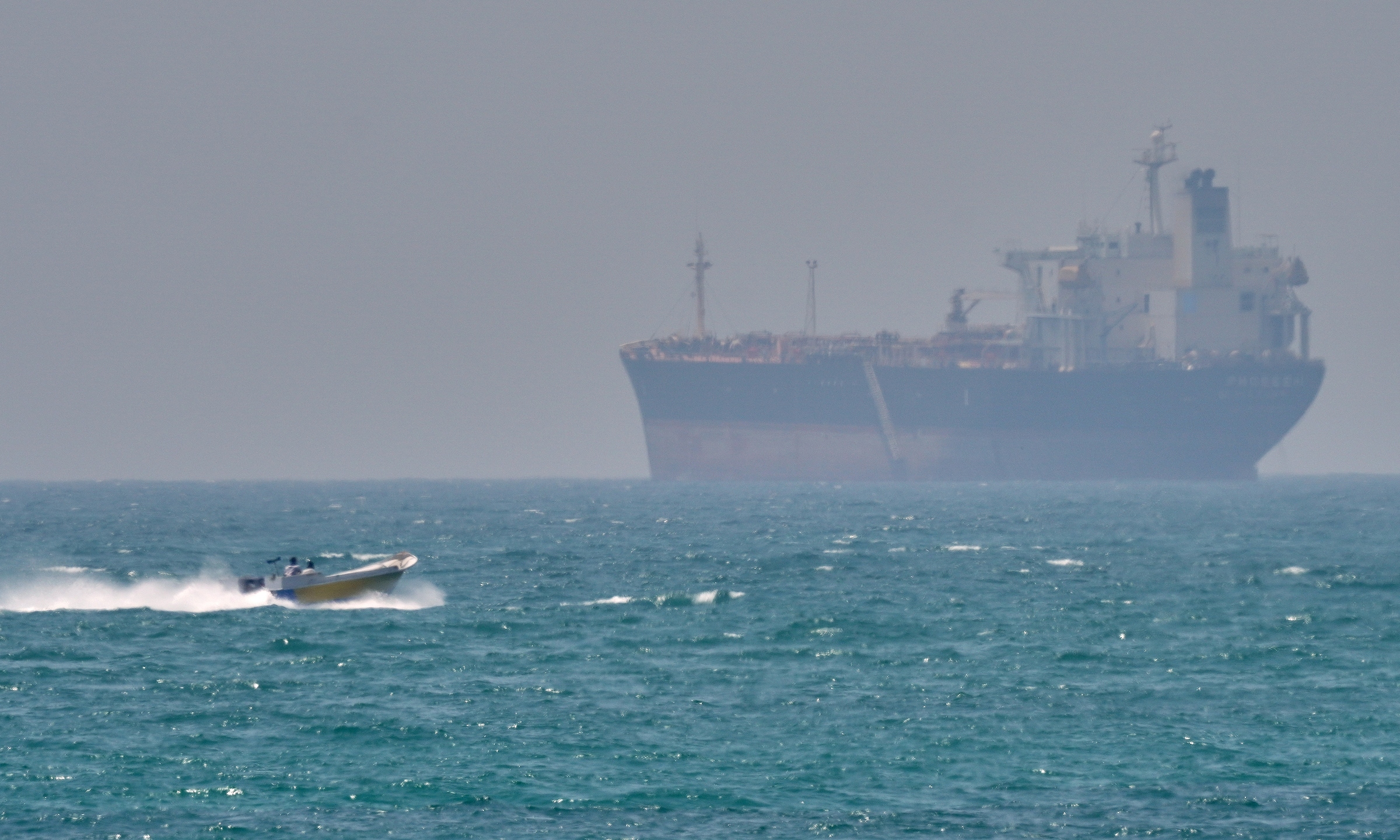
Iran's Islamic Revolutionary Guard Corps (IRGC) Navy announced the closure of the Strait of Hormuz "until further notice" after firing warning shots at a commercial vessel.
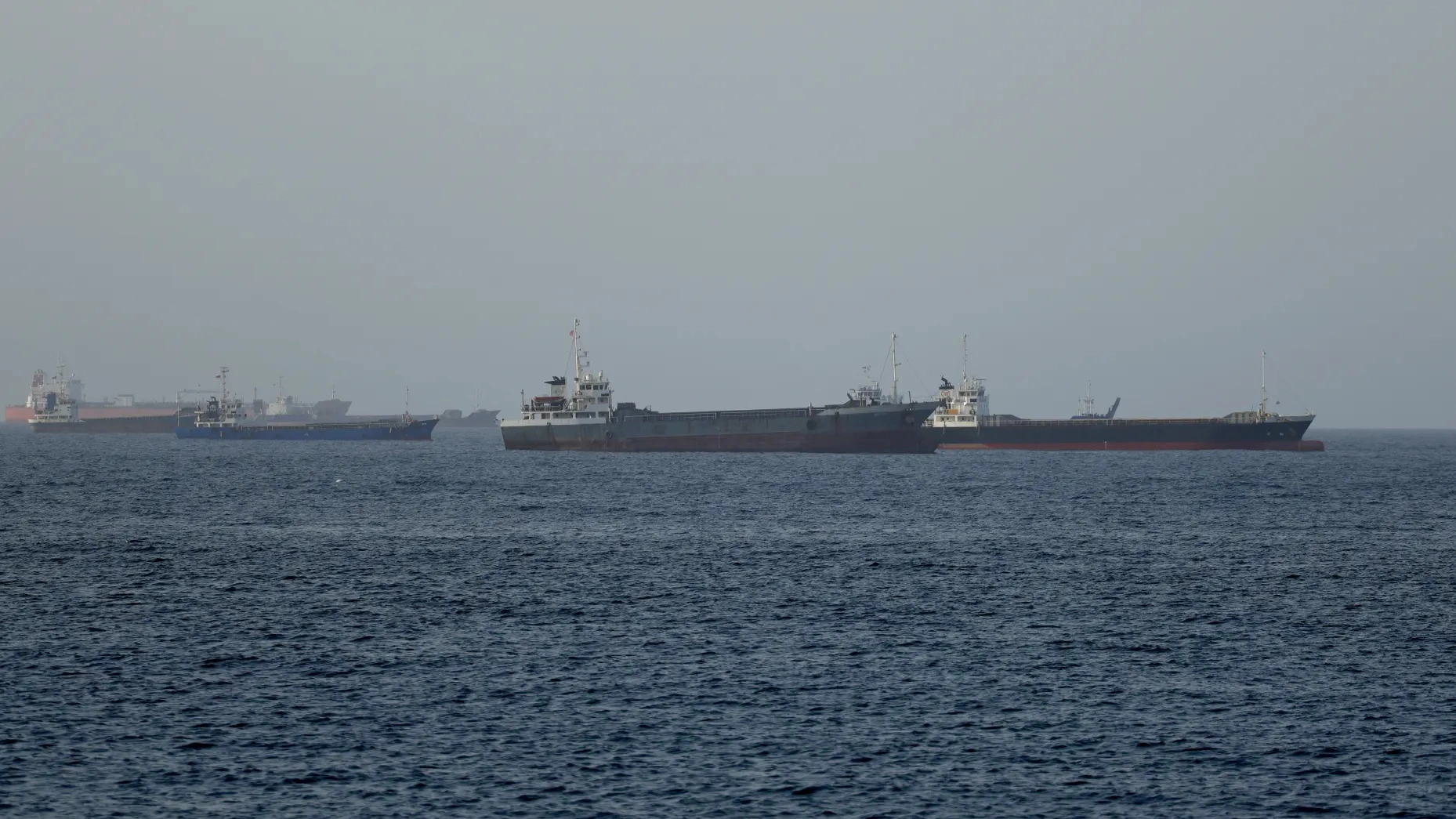
Three weeks after a US-Iran memorandum of understanding, shipping traffic through the Strait of Hormuz remains at only one-third of normal levels and has further declined this week, keeping oil and gas supplies tight.
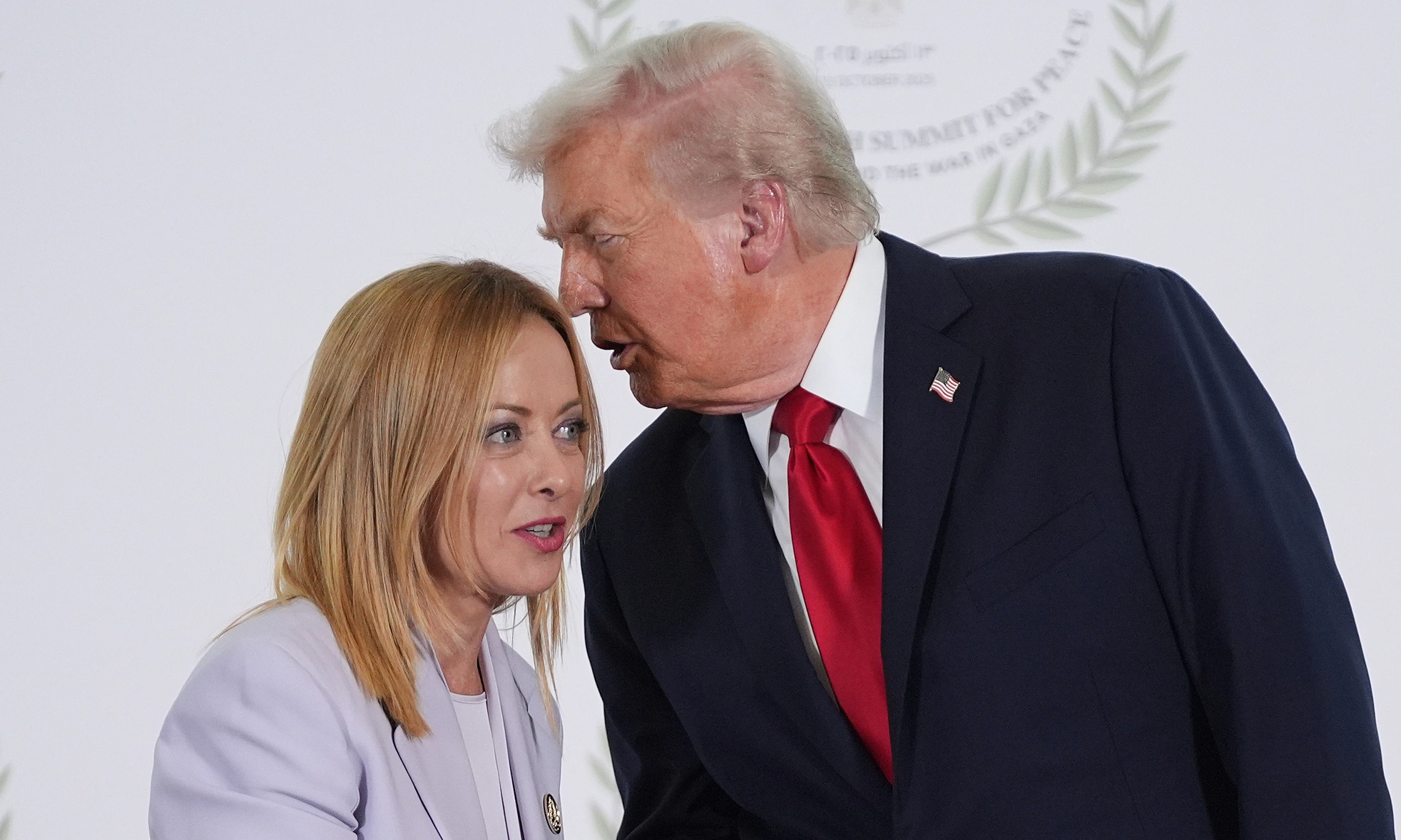
Trump called Meloni a "nice person", but stated their relationship deteriorated after the Italian prime minister declined to help the US reopen the Strait of Hormuz.
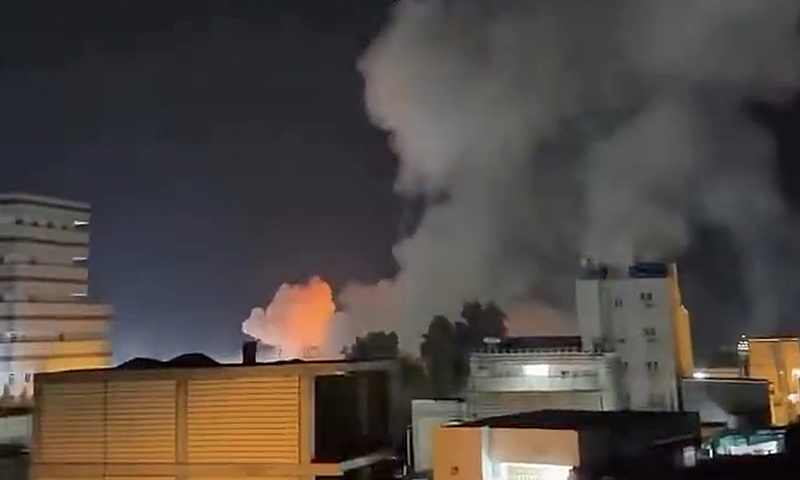
The US military launched a series of airstrikes against targets in southern Iran following accusations that the country attacked ships transiting the Strait of Hormuz.
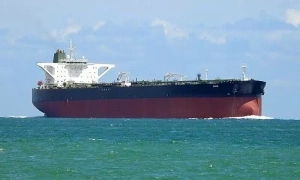
An oil tanker caught fire today off the coast of Oman, near the critical Strait of Hormuz, after being struck by an object believed to be an Iranian missile.
Iran's ambassador stated that vessels would be charged fees for passage through the Strait of Hormuz, but Tehran would consider "special treatment" for friendly nations.
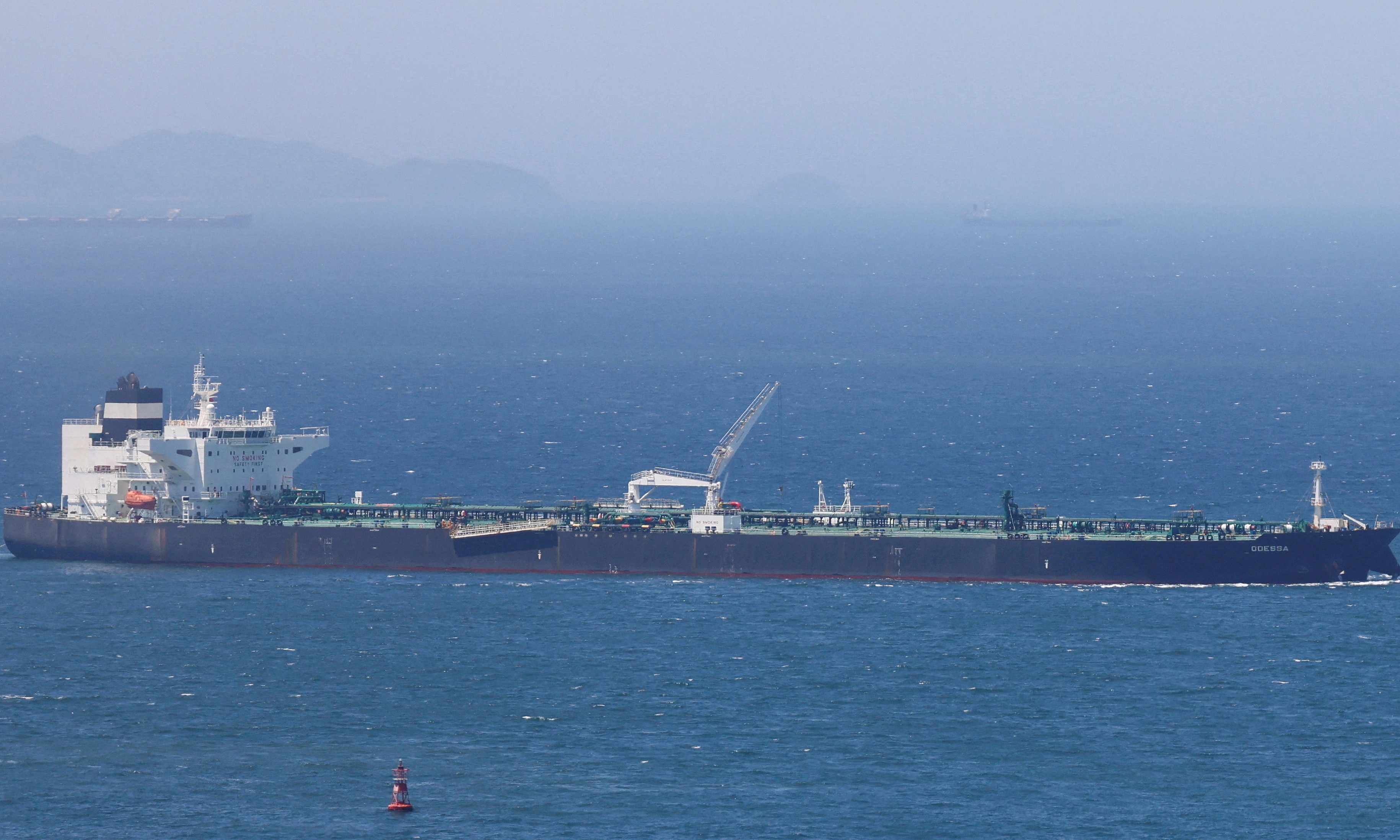
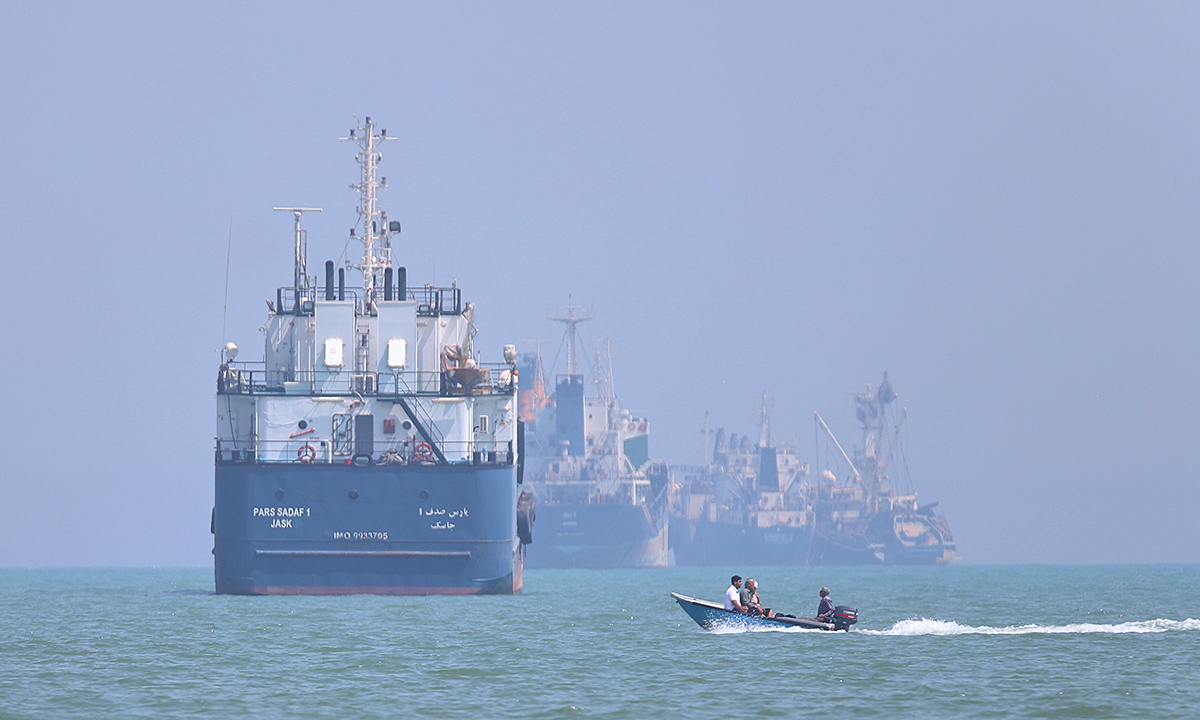
Iran announced a foreign cargo ship ran aground in the Strait of Hormuz after it entered shallow waters outside the shipping lane designated by Tehran.
Brent crude oil fell below 75 USD a barrel, its lowest level since late february, driven by expectations of normal operations resuming in the Strait of Hormuz.