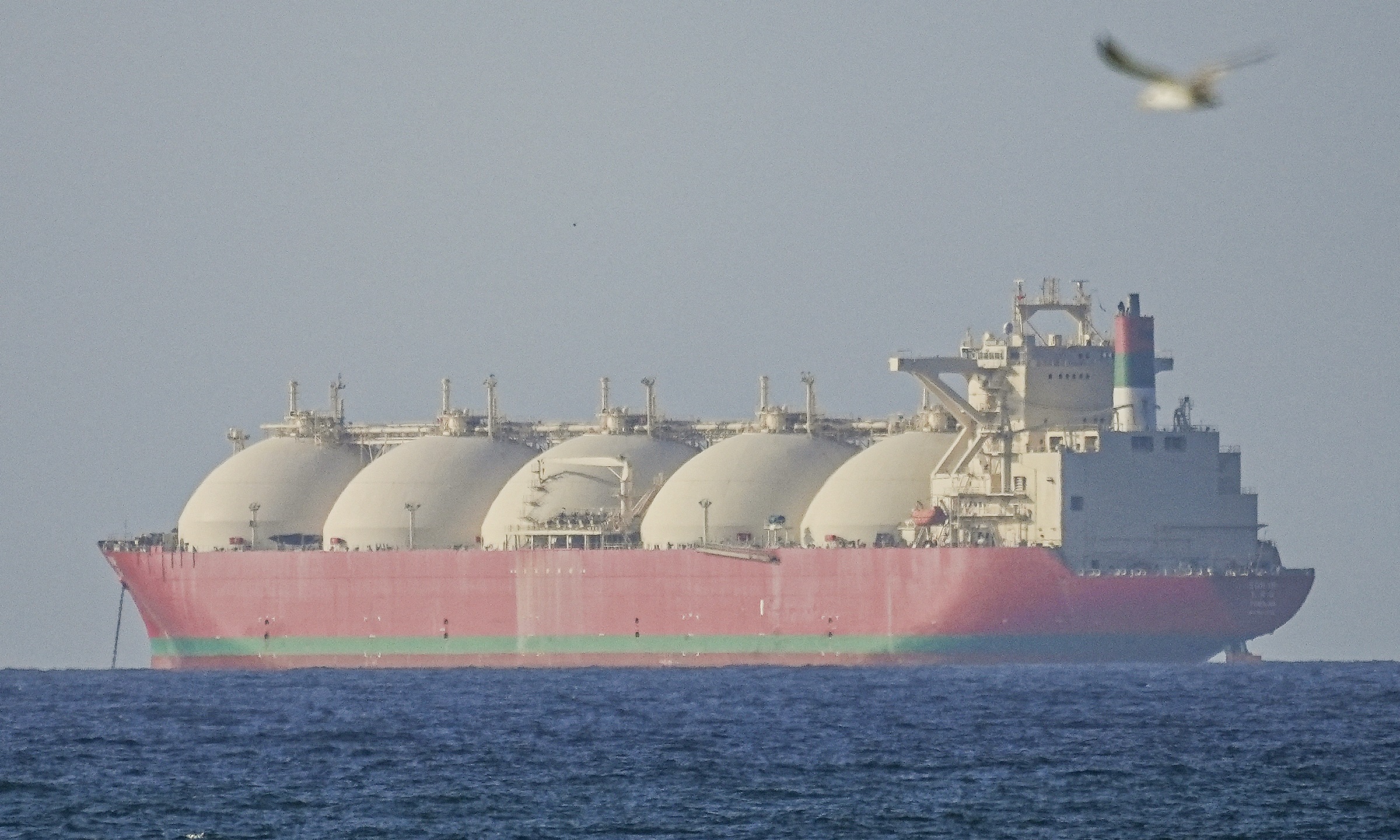
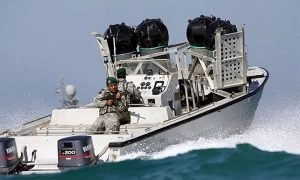
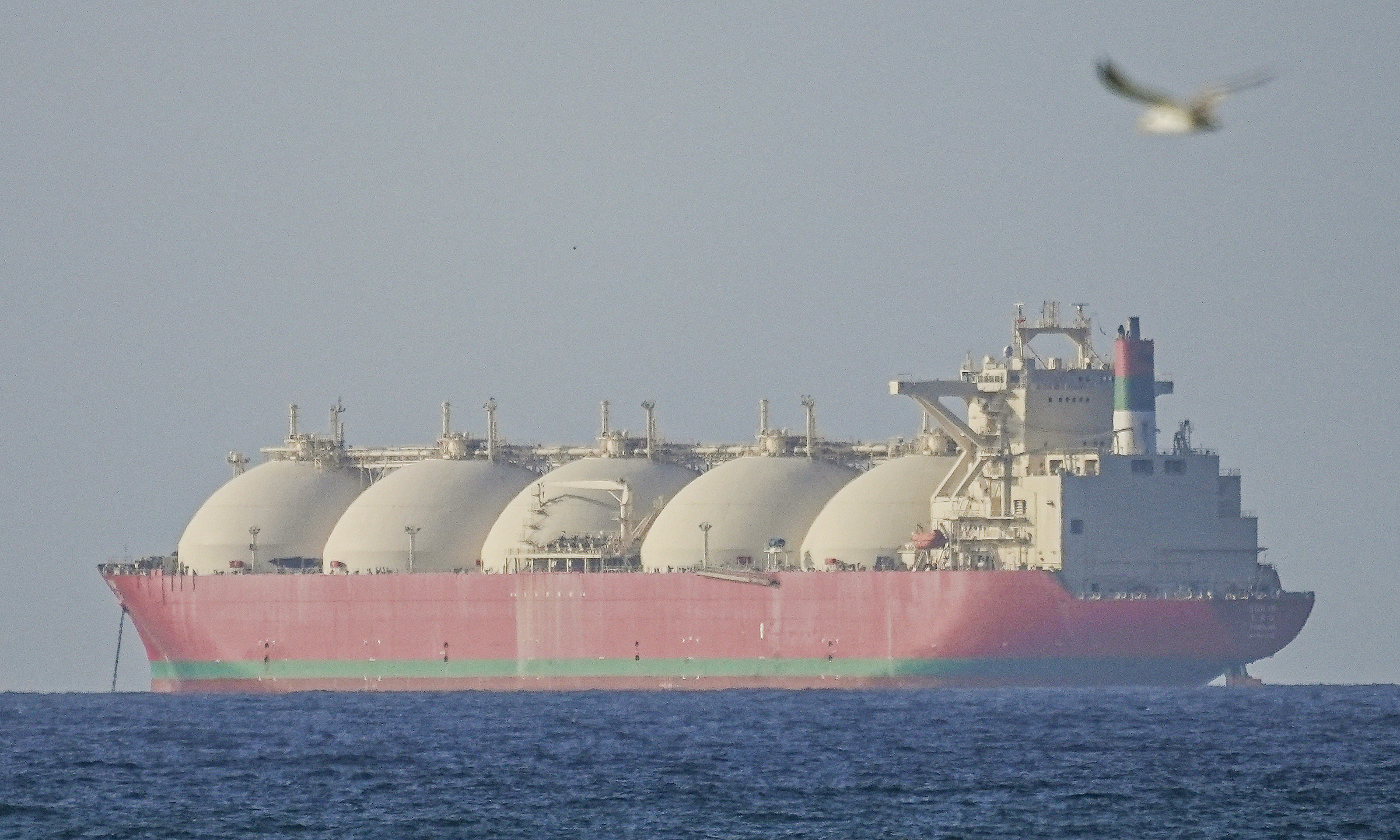
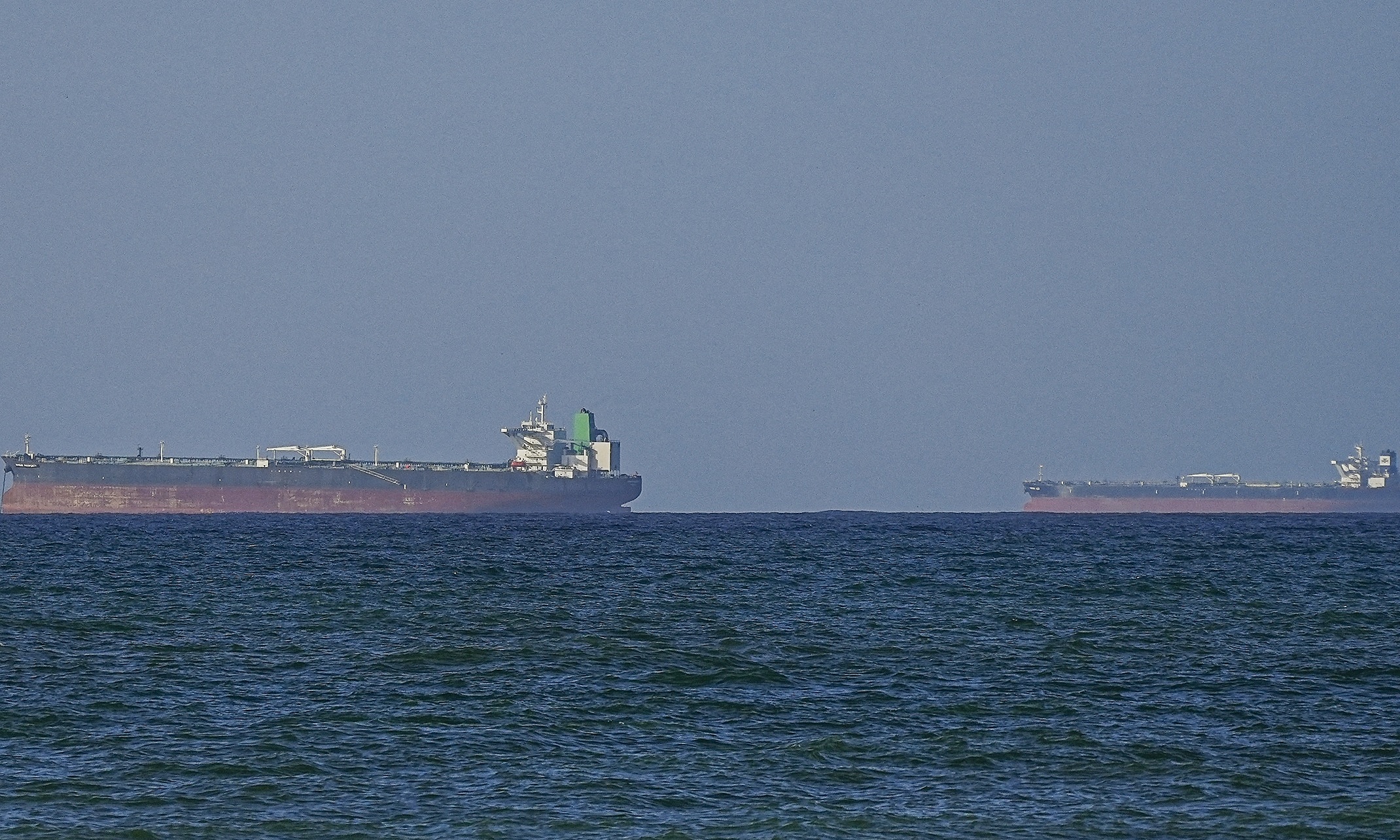
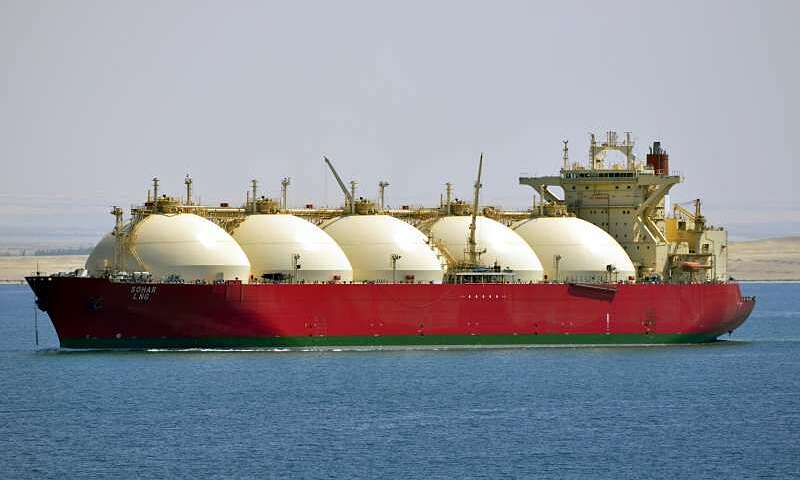
Maritime monitoring firm Lloyd's List recorded that maritime traffic through the Strait of Hormuz "stalled" after President Trump issued a blockade order.
The US military announced it would only block ships traveling to and from Iranian ports, clarifying an earlier order from President Donald Trump for a complete blockade of the strategic waterway.
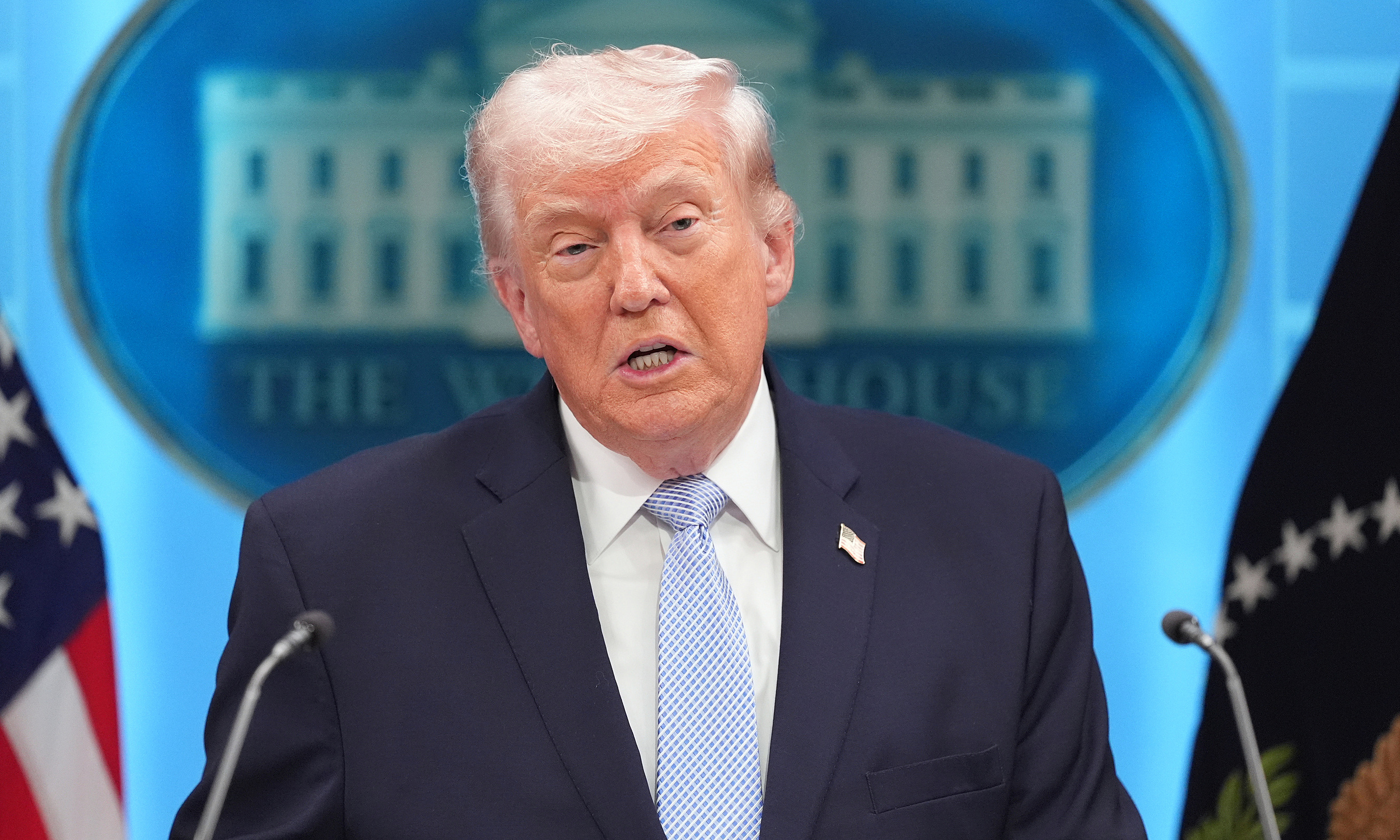
President Trump announced that the US navy would blockade the Strait of Hormuz, following the conclusion of negotiations between Washington and Tehran without an agreement.
Iran is preventing a large number of cargo ships from passing through the Strait of Hormuz because it cannot locate all deployed mines, according to US officials.
The US president warns Iran against charging fees for ships traversing the Strait of Hormuz, criticizing Tehran's "very bad" handling of the situation.
Conflicting messages from US and Iranian officials regarding the status of the Strait of Hormuz raise doubts about the actual state of the vital shipping lane.
Iran has unveiled an alternative route for vessels navigating the Strait of Hormuz, aiming to mitigate the risk of striking mines in the waterway's main channel, following a temporary ceasefire agreement with the United States.
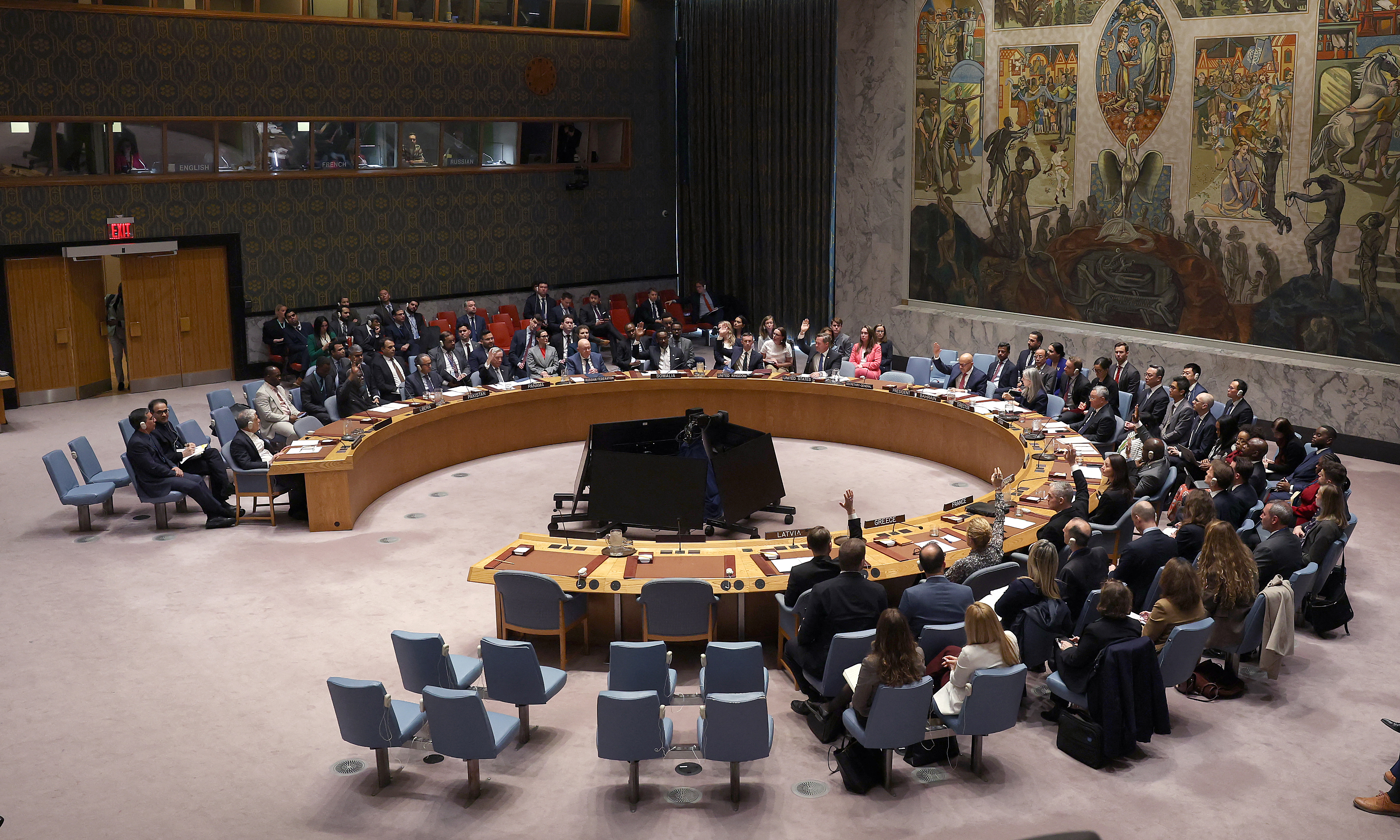
Russia and China have vetoed a United Nations Security Council resolution that would have allowed the use of "self-defense" forces to protect shipping in the Strait of Hormuz.
Iran's deputy minister urges youth and athletes to gather at power plants nationwide to protest Donald Trump's threats to bomb Tehran's infrastructure.
President Trump demands Iran reach an agreement to open the Strait of Hormuz by 8 p.m. Eastern Time on 7/4 (7 a.m. Hanoi time on 8/4) or face infrastructure destruction.