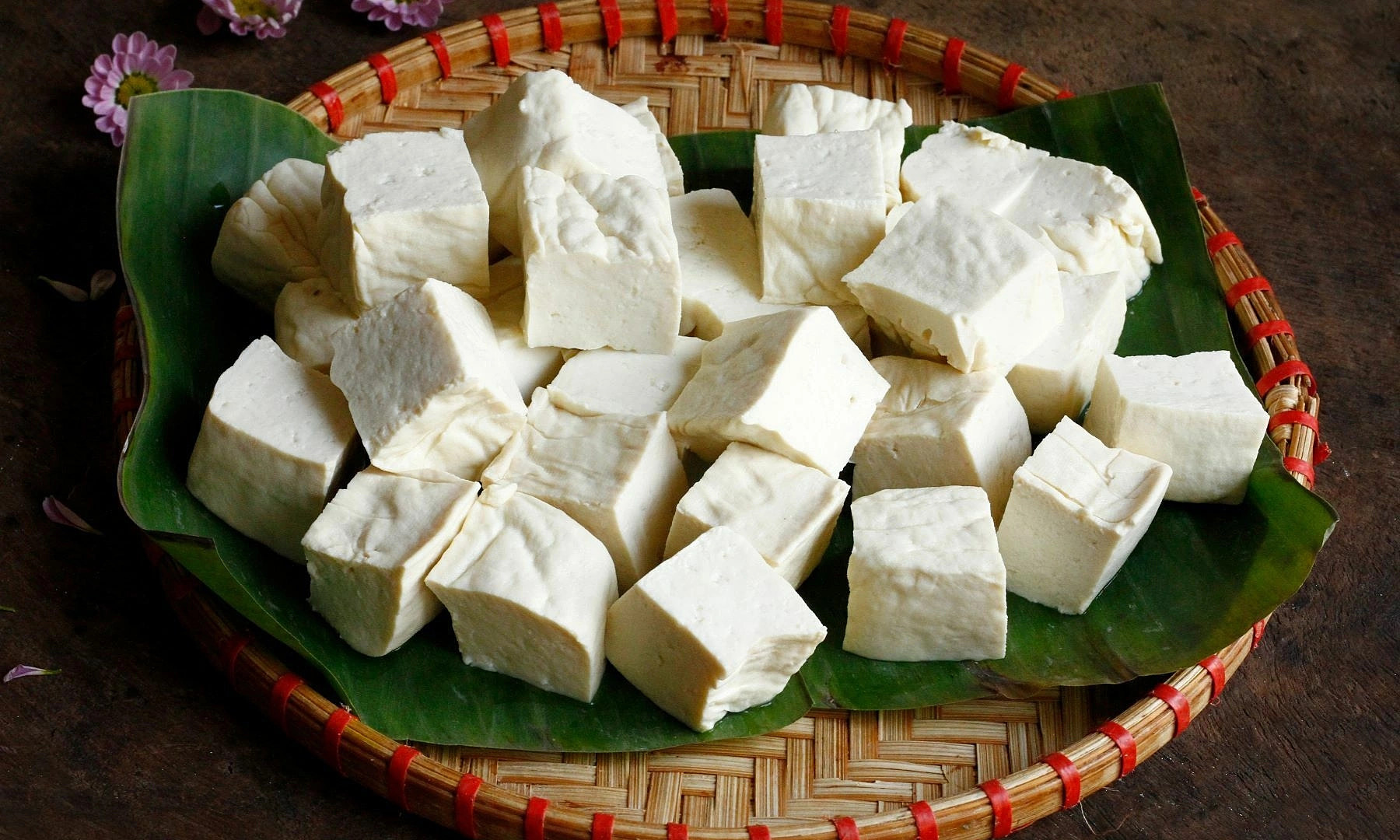
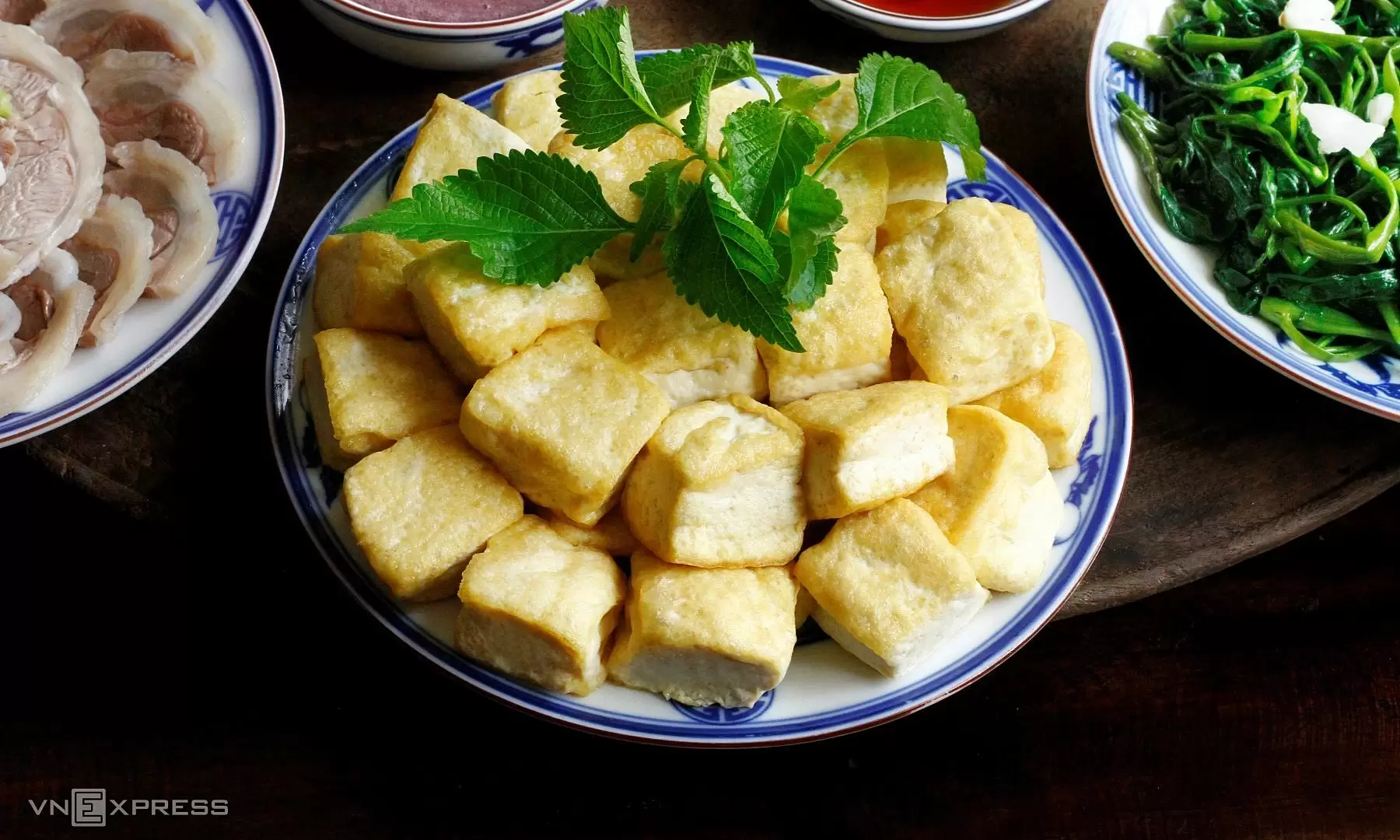
Prioritize steamed or soup-based tofu over deep-frying, combine it with vegetables, and use it as a partial meat substitute to boost plant protein and reduce saturated fat.
I exercise to improve my health and physique. Should I eat before or after my workout for the best results and to avoid stomach issues? (Quoc Bao, Ho Chi Minh City)
Aging, underlying health conditions, inactivity, and a lack of other nutrients such as: carbohydrates, fats, and magnesium can lead to muscle loss, even when protein intake is sufficient.
A reader with mild diabetes asks if their long-standing habit of drinking milk coffee every morning could negatively impact their health. (Nguyen Phuc, Ho Chi Minh City)
Eating less but still struggling to lose weight can be due to hidden calorie intake, insufficient protein, low physical activity, or inadequate sleep, which can disrupt hormones controlling hunger and satiety.
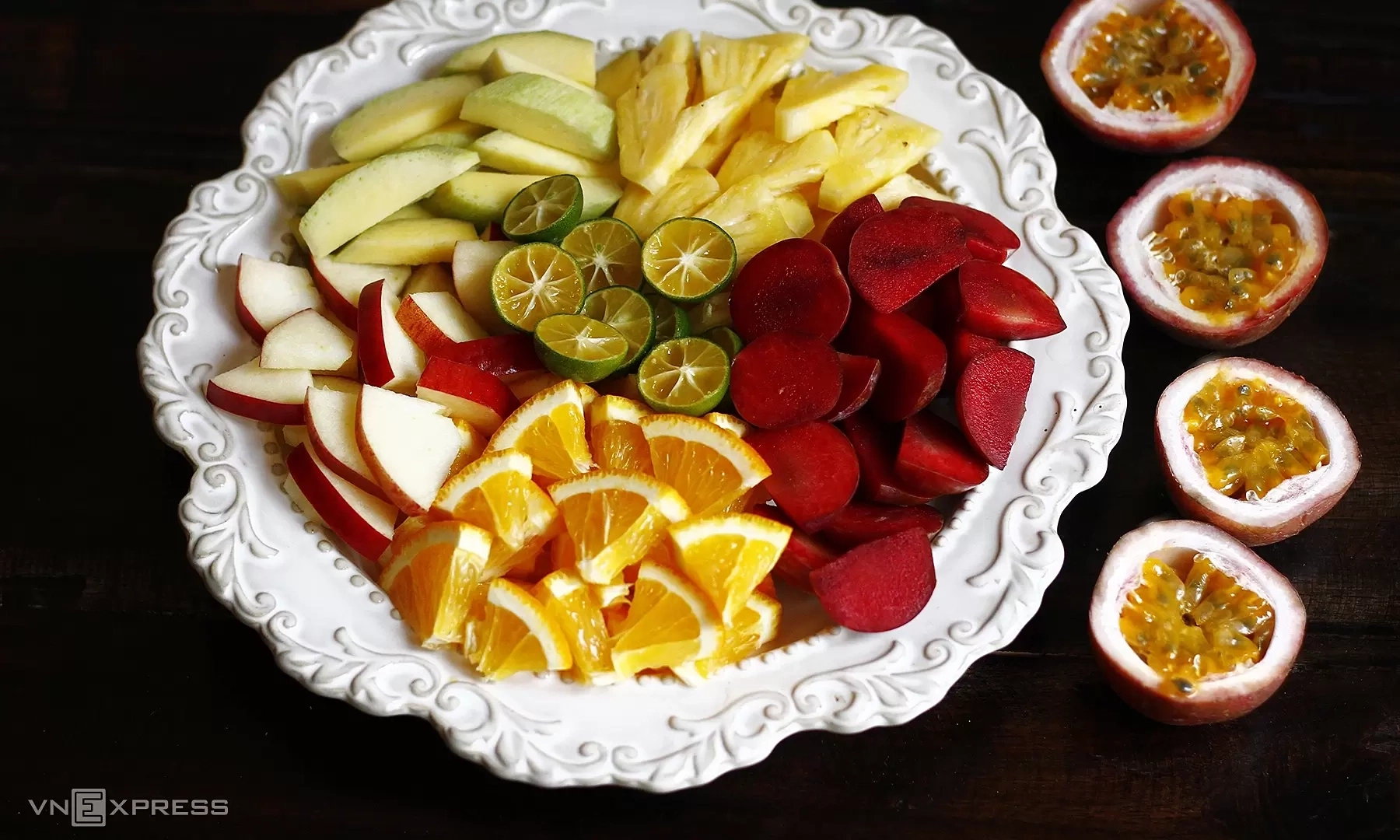
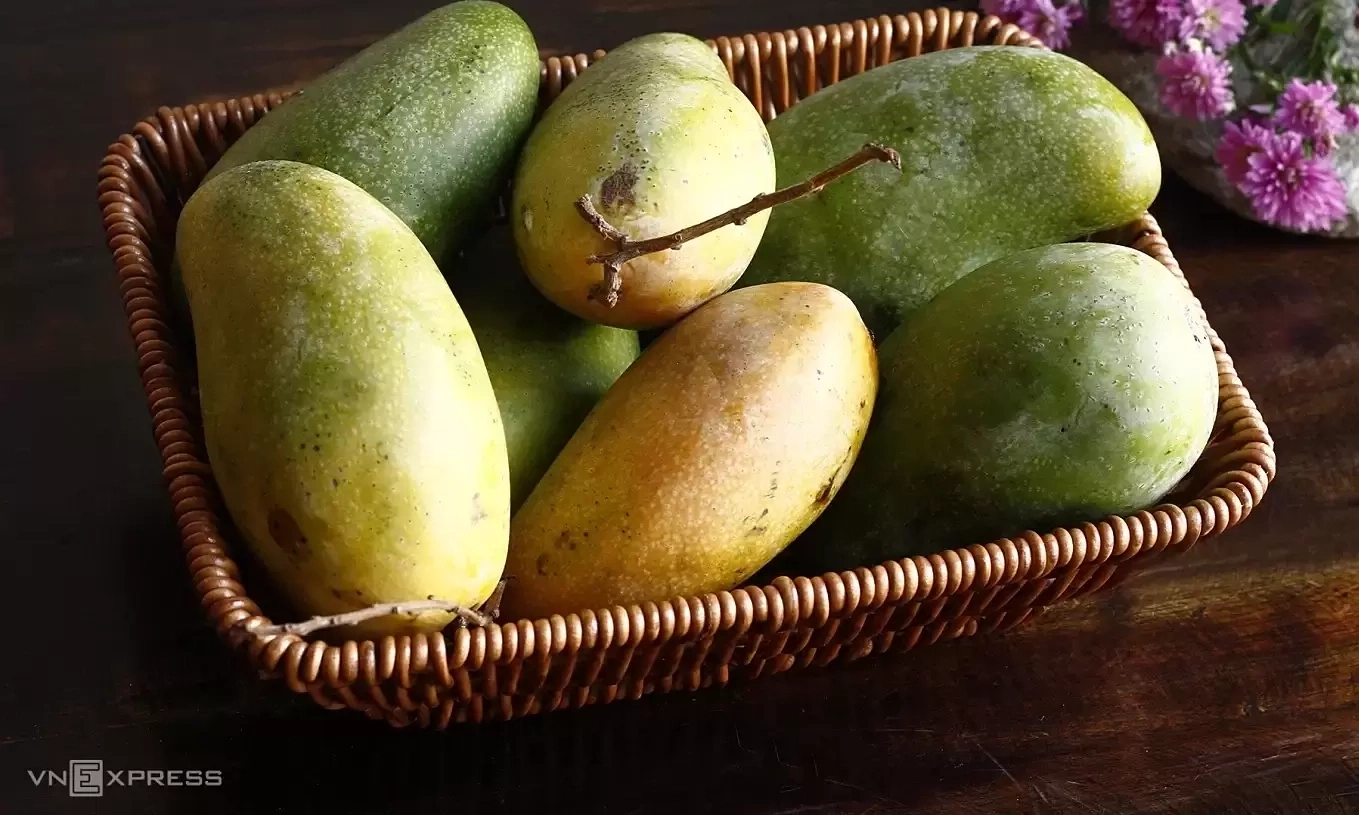
Guava, dragon fruit, passion fruit, star fruit, apple, and mango are rich in fiber, supporting digestion, preventing constipation, and helping control blood sugar.
The keto diet focuses on maximally reducing carbohydrate intake and increasing fat to 70-75%, while eat clean does not mandate cutting nutrients and prioritizes fresh, whole foods.